Focused arrival windows
Useful updates and clear arrival timing.
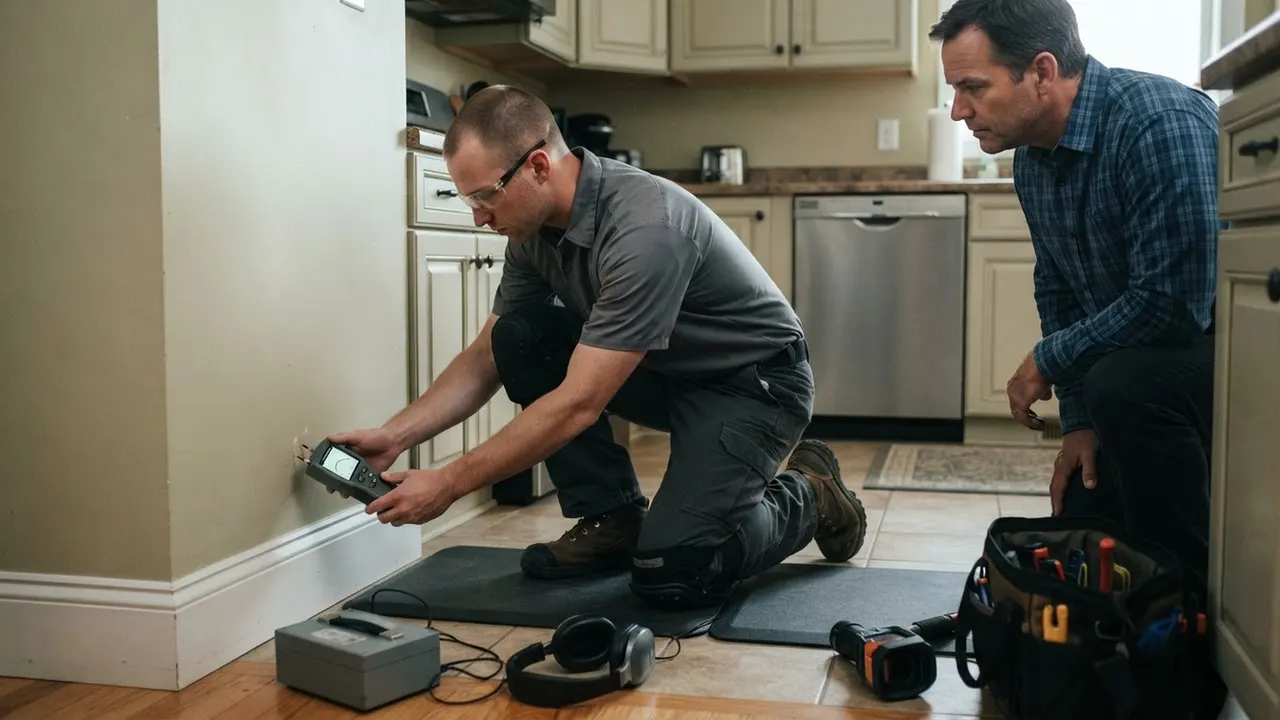
Underground Leak Detection in Greenville is the fastest way to stop a buried water line from soaking your yard, driveway, or slab. We use acoustic microphones and thermal cameras to pinpoint the break within inches, then handle subsurface water leak repair Greenville NC homeowners trust. If your water bill jumped or you hear water running at 2 a.m., call us.
Useful updates and clear arrival timing.
Review the approach and price before deciding.
Equipped vehicles and respectful cleanup.
Neighbors serving neighbors with follow-through.
Every detection call covers the full diagnostic sweep and a written summary of what we found. Repair is quoted separately once we know the pipe material, depth, and access needed, so you're never paying for excavation you don't need.
We isolate the domestic, irrigation, and pool loops and hold each one on a pressure testing gauge. A 10-minute hold tells us which system is leaking before we step into the yard.
A Gutermann acoustic microphone and Fluke thermal imaging camera sweep the suspected run. We mark the break with paint when both tools agree on the location, usually within 6 inches.
For lines under concrete or deep in clay soil, we inject a harmless tracer gas and track it with a Sewerin detector. This confirms the break point when acoustic listening alone is ambiguous.
You get a one-page summary with the leak location, pipe material, depth, and recommended repair. It's written for your insurance adjuster if the damage crosses into a claim.
Once we know what we're dealing with, we quote the repair on the spot. If you approve, we start the same visit and credit the detection fee toward the total.
Share what is happening and receive a clear next step from the local team.
Underground Leak Detection in Greenville is the process of finding water leaks in pipes buried beneath your yard, driveway, or slab without tearing up the whole property. We pressurize the line, listen for the hiss with an acoustic leak detection microphone, and scan the ground with a thermal imaging camera to map the temperature difference where water is escaping. Once we mark the spot, we dig one small access hole instead of trenching the entire yard.
Greenville's clay-heavy soil and wet winters push buried copper and PEX piping to fail faster than most homeowners expect. A slab leak or underground water line leak in a 1970s home off East 10th Street behaves differently than a 2015 build in a newer subdivision. That's why we start every job with a pressure testing gauge reading and a pipe locator sweep, then confirm with a video pipe inspection camera before we quote any subsurface water leak repair near me Greenville work.
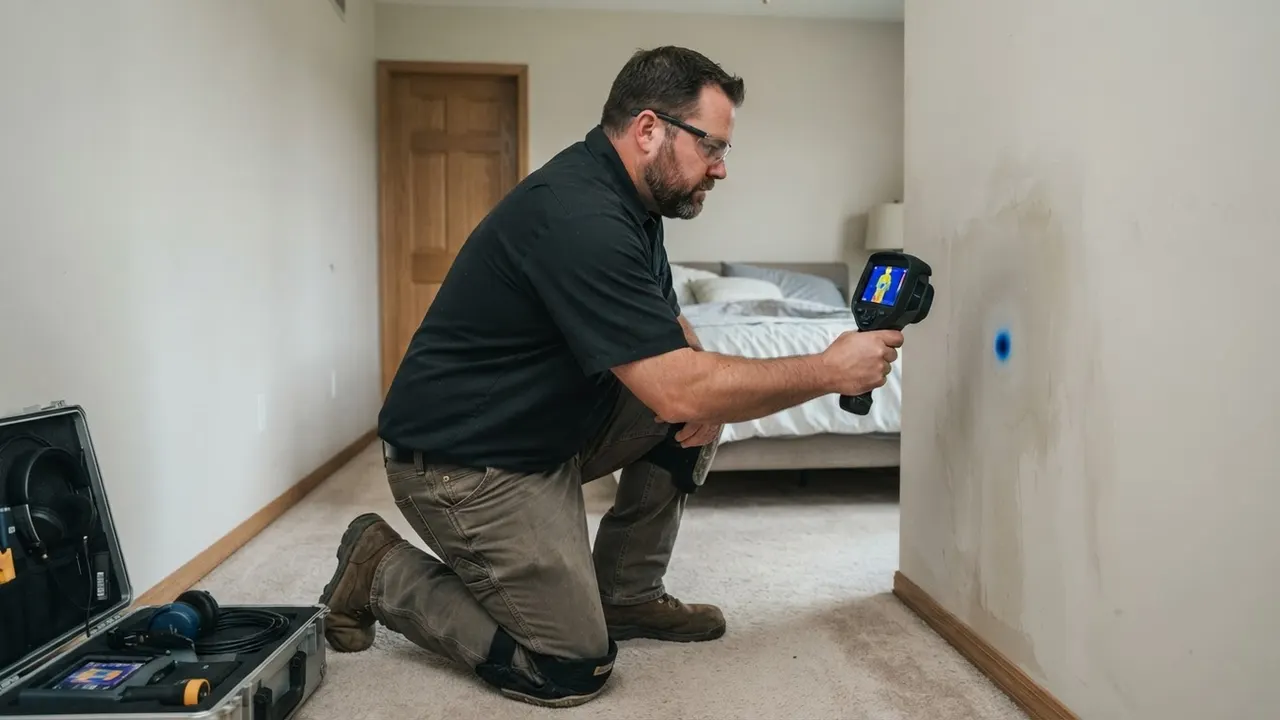
You describe the symptoms: high water bill, wet spot in the yard, sound of running water, warm floor. We ask three or four questions, then dispatch the closest truck. Most Greenville calls get a technician on-site within 90 minutes.
We isolate the domestic water line from the irrigation and pool loops, then attach a pressure testing gauge. A 10-minute hold tells us whether the leak is on the supply side, the drain side, or in an irrigation line leak. That single test rules out half the wrong answers.
With the line pressurized, we walk the yard with an acoustic leak detection microphone and a Fluke thermal imaging camera. The microphone picks up the hiss of escaping water; the camera shows the cooler, wetter soil. When both tools agree, we mark the spot with paint.
We confirm the mark with a Sewerin tracer gas leak detector or a video pipe inspection camera pushed through an existing cleanout. This step tells us the pipe material, the depth, and the exact break orientation before we cut anything.
We dig one access hole, cut out the failed section, and rebuild it with matching copper or PEX piping, new pipe fittings, and RectorSeal pipe sealant. After the repair cures, we re-pressurize the line and hold it for 30 minutes. You get a dry, tested line before we pack up.
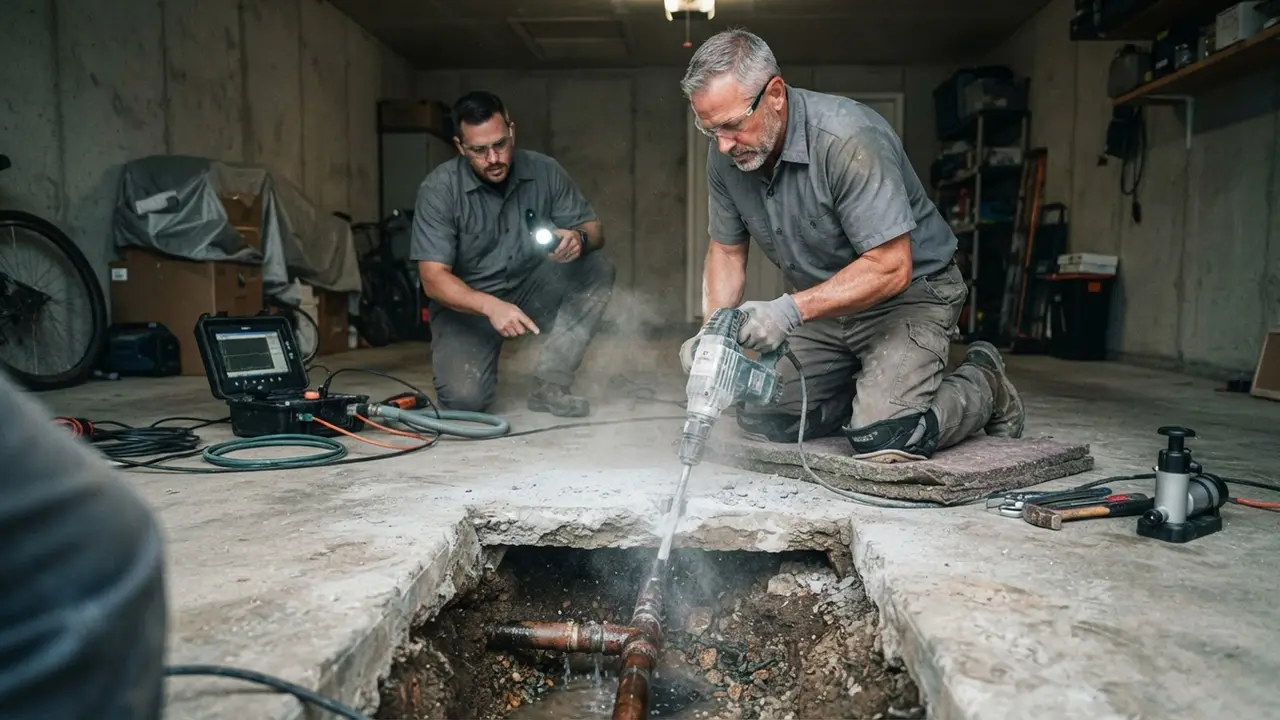
Listens for the high-frequency hiss of pressurized water escaping a buried pipe. We use a Gutermann system that filters out traffic and wind noise, which matters on busy Greenville streets.
A Fluke camera shows the temperature difference between wet and dry soil, or between a hot-water line and the surrounding slab. It's our fastest tool for slab leaks and warm-floor complaints.
A Sewerin rig that injects a harmless gas mix into the line and tracks where it escapes. We use it when acoustic listening is ambiguous, like under concrete or deep in clay.
Maps the exact path and depth of a buried line before we dig. This is how we avoid cutting through irrigation, gas, or electrical lines that share the same trench.
Confirms which system is leaking and verifies the repair holds. We isolate the domestic, irrigation, and pool loops, then hold each one for 10 minutes.
A General Pipe Cleaners camera pushed through a cleanout shows the inside of the pipe, confirming material, break orientation, and whether roots or scale contributed to the failure.
Reads the water content of drywall, framing, and subfloor. We use it to trace a ceiling water stain back to the source and to confirm a crawlspace leak has dried out.
We close every fixture valve and isolate the domestic, irrigation, and pool loops, then pressurize each one separately. A 10-minute hold tells us which system is losing water. This single step eliminates half the wrong answers before we ever step into the yard.
We never trust one tool alone. The acoustic microphone hears the leak; the thermal camera sees the moisture. When both agree on the same spot, we mark it. That cross-check is why our access holes average 2 feet by 2 feet instead of a full trench.
For lines under concrete or deeper than 3 feet, we inject a harmless tracer gas and track the escape point with a Sewerin detector. This method is accurate to within a few inches and works where acoustic listening gets muffled by soil or pavement.
After every repair, we re-pressurize the line and hold it for 30 minutes. If the gauge moves, we open the access hole again before we backfill. You get a tested, dry line, not a promise.
We pressure-tested the main, isolated the irrigation loop, and swept the yard with acoustic gear. The break was 18 inches from the foundation, under a flower bed. We dug one hole, replaced 3 feet of galvanized line with copper, and re-tested. The bill dropped back to its normal range the next cycle, and the flower bed survived with minimal disturbance.
Thermal imaging traced a hot-water slab leak under the bathroom tile. Rather than cut the slab, we rerouted the line through the attic with PEX piping and capped the old run. The work took one day and avoided a floor replacement. The tenant stayed in place, the musty smell cleared within a week, and the owner avoided a $6,000 floor replacement.
We isolated the building main from the irrigation and pool loops, then ran a tracer gas test on the 2-inch supply line. The break was under the parking lot apron. We excavated one 3-foot section, replaced the failed fitting, and re-pressurized. The bill returned to baseline within two cycles, and the parking lot needed only a small patch instead of full repaving.
Greenville sits on heavy clay soil that swells when wet and shrinks when dry, and that movement is hard on buried water lines. Our winters swing below freezing often enough to split copper, and our summers push irrigation systems to run daily, which is where a lot of irrigation line leaks start. Older neighborhoods near downtown still have galvanized and early copper lines that are past their service life, while newer builds off Fire Tower Road use PEX piping that fails differently, usually at a fitting or a crimp ring. We adjust our detection approach to the pipe material and the era of the home. A 1950s mill house needs acoustic listening and a pipe locator; a 2015 subdivision home often shows up faster on a thermal camera. If you need subsurface water leak repair Greenville NC done right, the first step is knowing what you're digging into, and that's where our 11 years in Pitt County pays off. We've worked enough Greenville jobs to recognize the difference between a slab leak, a main line break, and a crawlspace leak before we pull a tool out of the truck.
Mid-century homes with original copper and galvanized lines. We see a lot of pinhole leaks here from decades of clay-soil movement against the pipe.
Larger lots with long main-line runs from the meter. When a leak happens here, it's often 40 to 60 feet from the house, which makes acoustic location essential.
Newer construction with PEX piping. Failures here tend to be at fittings and crimp rings rather than mid-pipe, so we inspect every connection in the run.
Older commercial and residential buildings with shared walls and tight lots. We use tracer gas and video inspection here because there's no room to trench.
The movement stresses buried pipe joints and accelerates failures, especially on lines installed before 1990. We account for this by checking every fitting in the suspected run, not just the mid-pipe.
A single hard freeze can burst an exposed or shallow line overnight. We prioritize these calls because the water loss is immediate and the damage spreads fast.
Constant pressure cycling wears out valves and fittings on irrigation systems. We isolate the irrigation loop on every detection call so a sprinkler leak doesn't get misdiagnosed as a main line break.
A saturated yard can mask the wet spot from a leak, making visual detection useless. That's when acoustic and tracer gas tools earn their keep.
A homeowner in the 27858 ZIP had a water bill that jumped from $65 to $210 in one month. The yard had a soggy patch near the driveway, but three other companies couldn't find the source.
We pressure-tested the main, isolated the irrigation loop, and swept with acoustic gear. The break was 14 inches from the foundation under a shrub. We dug one hole, replaced 4 feet of copper, and re-tested. The next bill was $58.
Maintenance: We recommended a yearly pressure check on the main line and keeping shrubs at least 3 feet from the foundation to avoid root stress on the pipe.
A Winterville rental had a warm spot on the bathroom floor and a musty smell in the hallway. A previous plumber quoted $6,500 to jackhammer the slab and replace the tile.
Thermal imaging traced the hot-water line under the slab. We rerouted the run through the attic with PEX piping and capped the old line. Total cost was $1,850, and the tenant never moved out.
Maintenance: We suggested insulating the new attic run and checking the attic annually for any condensation or fitting drips.
A laundromat on Greenville Boulevard saw its water bill triple. The building had no visible leak, and the parking lot showed no obvious wet spot because the water was draining into the sub-base.
We isolated the building main and ran a tracer gas test on the 2-inch supply line. The break was under the parking apron. We excavated one 3-foot section, replaced the failed fitting, and re-pressurized. The bill returned to baseline in two cycles.
Maintenance: We set up a quarterly pressure-test schedule for the main line and recommended the owner log monthly meter readings to catch future spikes early.
Most buried leaks announce themselves through the water bill or a wet spot in the yard. Here are the four calls we run most often around Pitt County and how we shut each one down.
A buried line can waste 10,000 gallons a month, costing you $150 or more per cycle and soaking the soil under your foundation. We compare meter readings against fixture use, then sweep the yard with acoustic and thermal gear. Once we mark the break, we quote the repair and usually finish it the same day.
A hot-water slab leak heats the concrete from below, drying out the slab unevenly and cracking tile or hardwood within months. Thermal imaging shows the exact path of the hot-water line under the slab. We confirm with acoustic listening, then either repair the break or reroute the line overhead to avoid cutting the floor.
A constant wet spot drowns roots, kills grass in a ring, and signals a supply line break that will eventually undermine a driveway or walkway. We pressure-test the main, then use a pipe locator and tracer gas detector to pinpoint the break. One small access hole is all it takes to expose and repair the failed section.
That hiss is water escaping under pressure. Left alone, it erodes soil, creates voids under concrete, and can lead to a sudden sinkhole or burst pipe. An acoustic leak detection microphone lets us hear the exact break point from the surface. We mark it, dig once, and rebuild the line with matching copper or PEX piping.
Most residential detection jobs in Greenville run $250 to $550 in 2026, and the fee is credited toward the repair if you hire us. Commercial and irrigation system calls can reach $850 depending on line length and access. We quote the flat rate before we start, so there's no surprise on the invoice.
We pressurize the line, then sweep the yard with an acoustic leak detection microphone and a thermal imaging camera. The microphone hears the hiss; the camera sees the cooler, wet soil. We confirm with a tracer gas leak detector or video pipe inspection camera, then mark the break within about 6 inches before any digging starts.
We can locate without digging, but the repair itself needs one access hole. Our pipe locator and tracer gas gear let us mark the break so precisely that most jobs need a single 2-foot-by-2-foot excavation instead of a 30-foot trench. Some slab leaks can be rerouted overhead, which avoids concrete cutting entirely.
The four biggest tells are a water bill that jumped 20 percent or more, the sound of running water when every fixture is off, a warm or damp spot on the floor, and a green patch in the yard that stays wet in dry weather. A pressure testing gauge reading that won't hold confirms it.
Not seeing your question? Our local team can help you understand urgency, scheduling and what to expect.
Ask the local team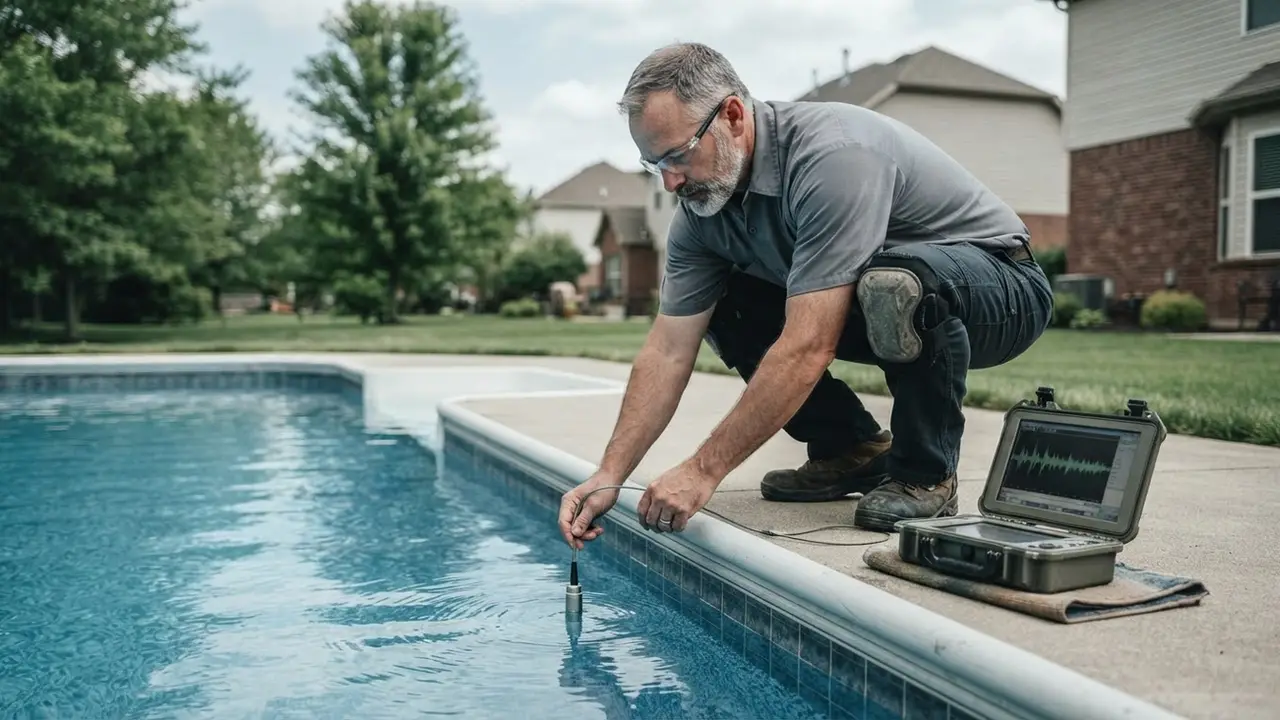
The main line from the meter to your house is the most common place we find buried leaks in Greenville. We pressure-test, locate, and repair the line in one visit, usually within four hours.
View serviceIf your Greenville water bill doubled and nothing inside is running, the leak is underground. We compare meter readings against fixture use, then sweep the yard with acoustic and thermal gear to find the culprit.
View service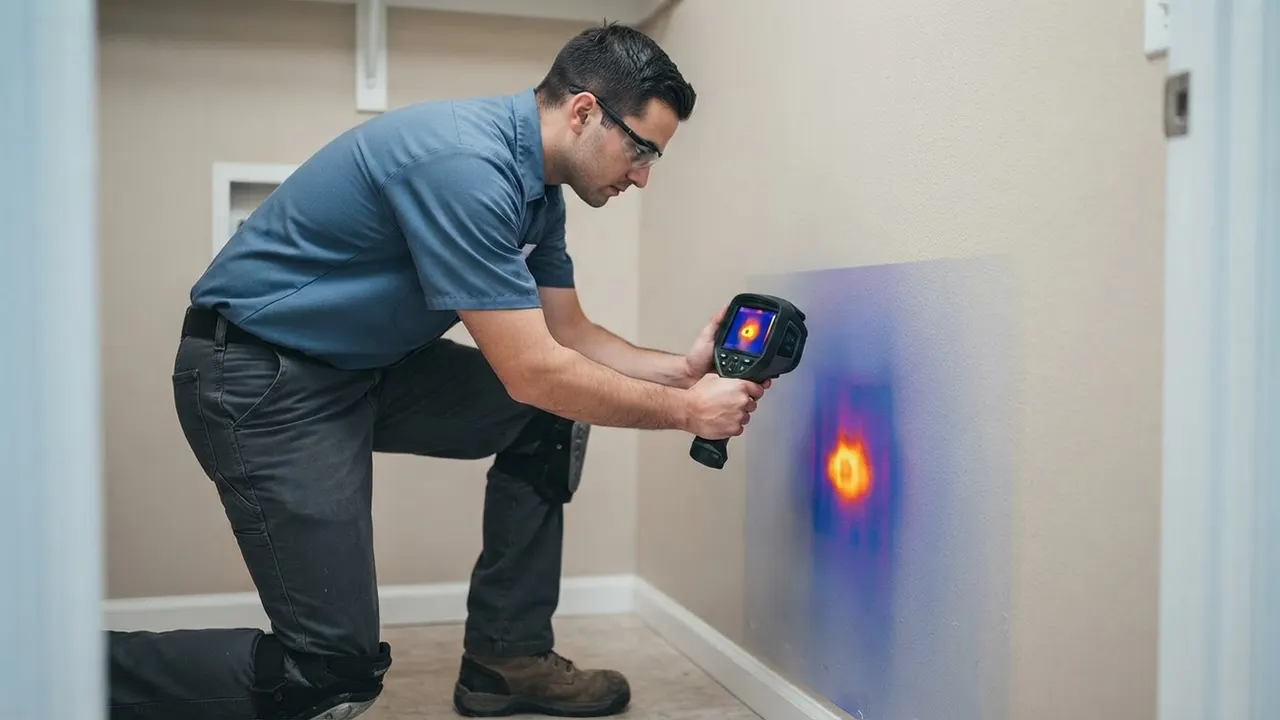
A slab leak in Greenville often shows up as a warm spot on the floor or a hairline crack in the tile. We use thermal imaging and acoustic listening to pinpoint the break under the concrete before we cut.
View service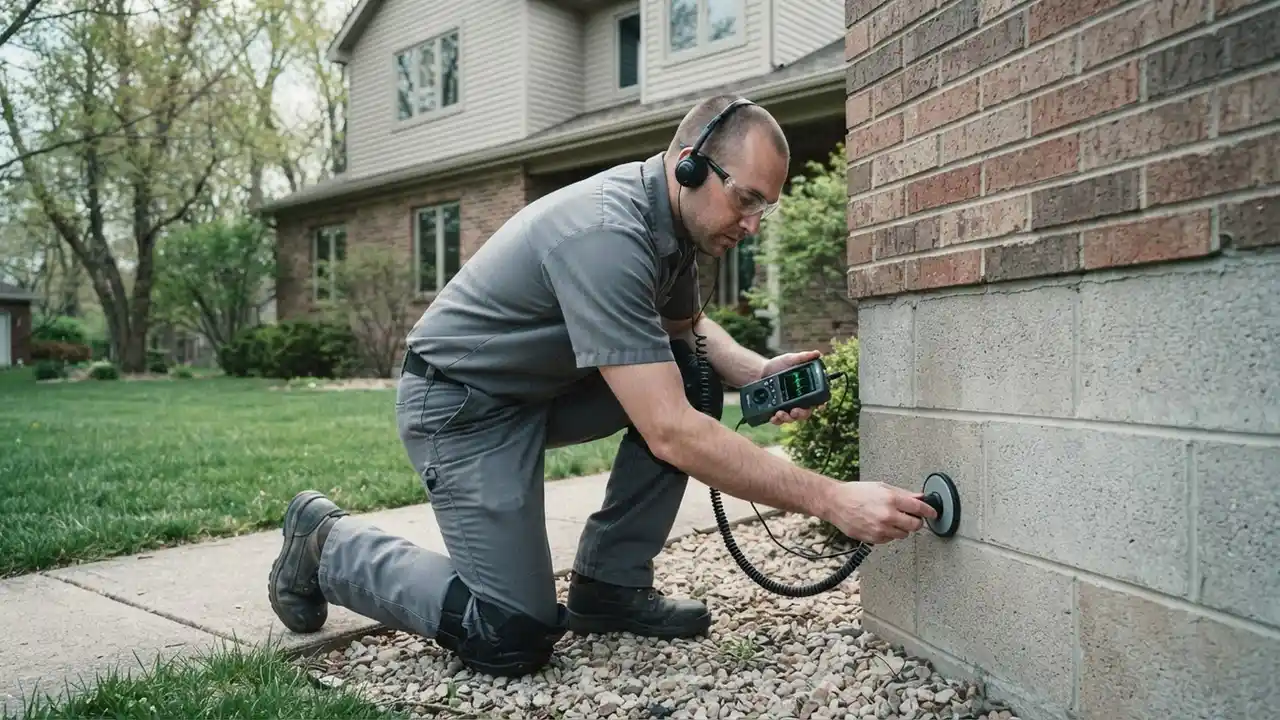
Restaurants, laundromats, and office parks along Greenville Boulevard lose thousands of gallons to hidden line leaks. We work after hours to avoid disrupting your business and document everything for your insurance claim.
View service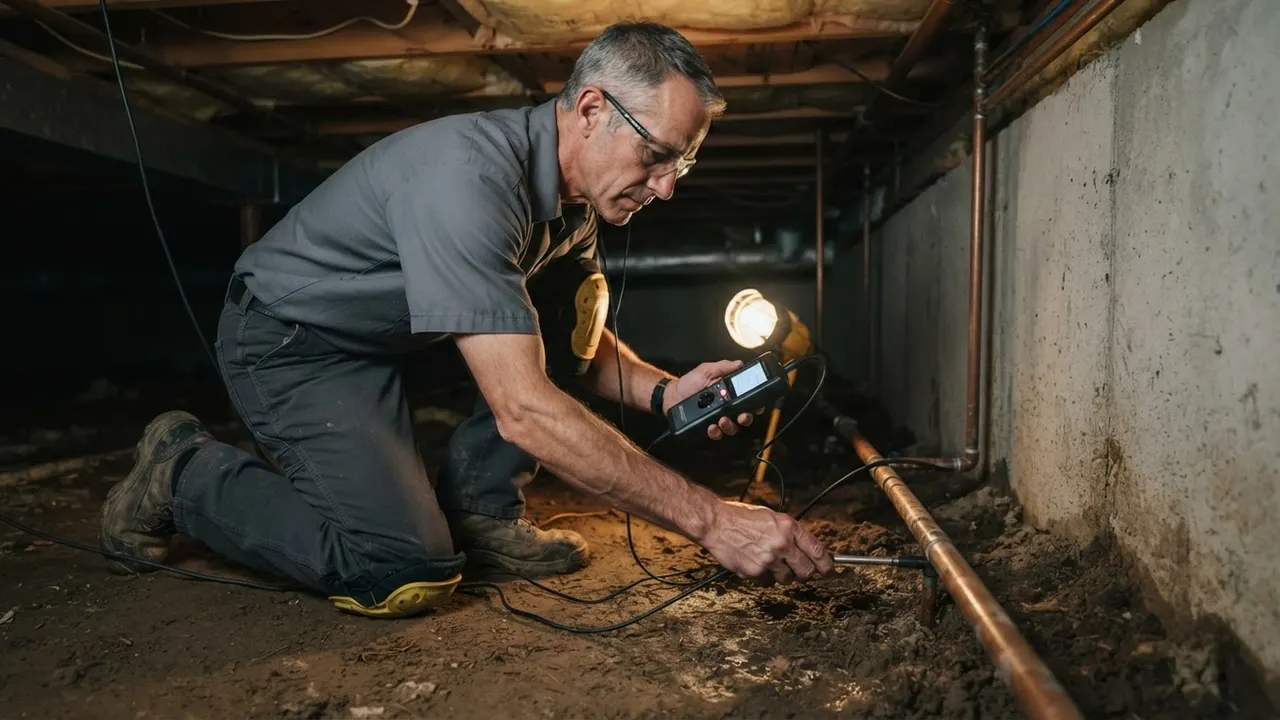
Call +923139383014 and tell us what you are seeing. Our office is open 8 a.m. to 6 p.m. Monday through Friday, and our emergency line runs 24/7 for burst pipes and active flooding. Most Greenville calls get a technician within 60 to 90 minutes. You can also email info@greenvilleleakdetectionpros.com with photos of the leak.