Focused arrival windows
Useful updates and clear arrival timing.
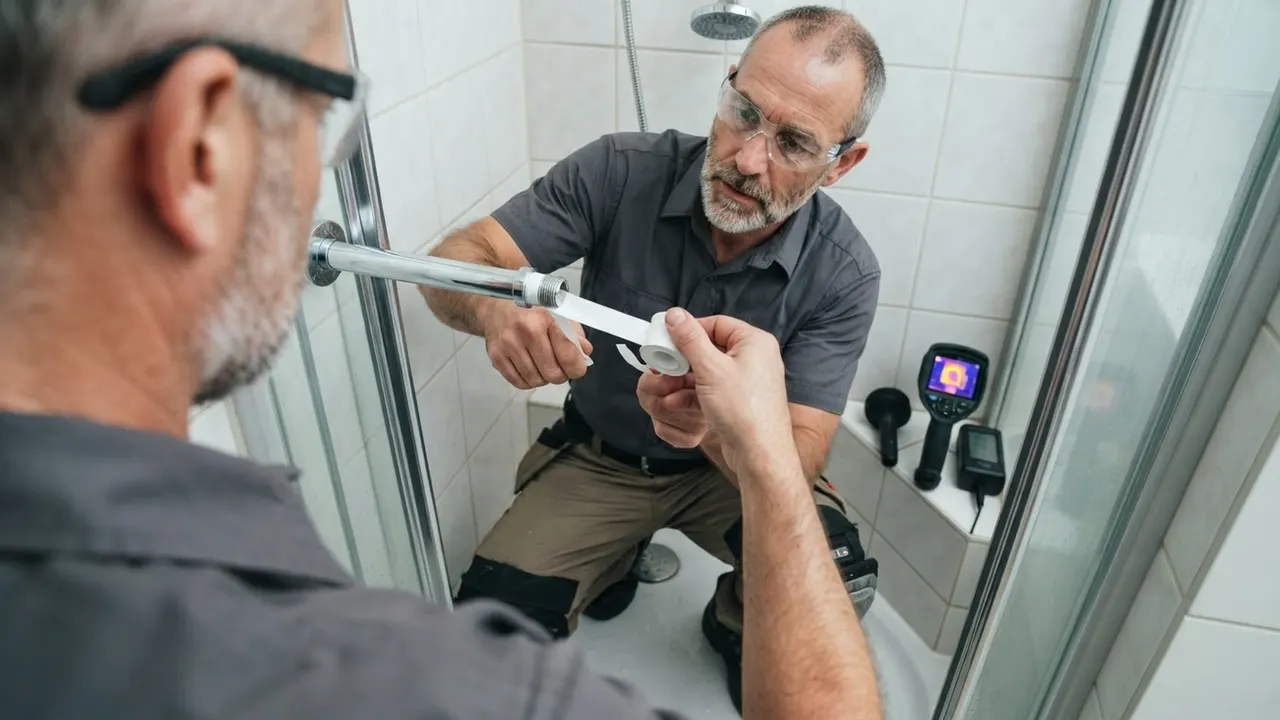
Ceiling & Wall Leak Detection in Greenville is the fastest way to stop a stain from becoming a structural repair. We use thermal imaging cameras and acoustic microphones to trace water inside walls and above ceilings without tearing your home apart. If you have a brown ring spreading on drywall or a soft spot near a bathroom, call us. We serve homeowners across Pitt County and the 27834 and 27858 ZIP codes with same-day appointments.
Useful updates and clear arrival timing.
Review the approach and price before deciding.
Equipped vehicles and respectful cleanup.
Neighbors serving neighbors with follow-through.
Every inspection covers the full diagnostic sequence: pressure testing, thermal scanning, acoustic listening, and moisture mapping. If we find the leak, we can repair it on the same visit in most cases. Here is what is included in the standard service.
We attach a pressure testing gauge to the main and monitor it with all fixtures closed. A dropping gauge confirms a supply-side leak and tells us whether the problem is in the wall, the ceiling, or under the slab. This test takes 20 to 30 minutes and eliminates guesswork.
A Fluke thermal imaging camera reveals temperature differences where water is moving behind drywall or above a ceiling. We scan the entire suspect area and mark the coldest and warmest zones. This is how we find leaks that have not yet produced a visible stain.
We use a Sewerin acoustic leak detection microphone to listen for the hiss of pressurized water through the wall. Combined with the thermal scan, this narrows the leak to within about 6 inches. We mark the spot with tape so you can see it.
A moisture meter confirms the wet boundary and tells us how far the water has traveled. We map the affected area on the wall or ceiling so you know exactly what needs to dry. This also tells us whether mold growth is a risk.
If the leak is accessible through a small panel, we repair it on the same visit using copper or PEX piping and code-compliant fittings. We re-pressurize the system and confirm the repair holds before we close the access hole.
Share what is happening and receive a clear next step from the local team.
Ceiling & Wall Leak Detection in Greenville is a non-invasive diagnostic service that locates water intrusion inside walls and above ceilings before it causes structural rot or mold. We pressurize the plumbing system, then scan surfaces with a thermal imaging camera and an acoustic leak detection microphone to hear and see water moving behind drywall. A moisture meter confirms the exact boundary of the wet zone. Most inspections take 60 to 90 minutes, and we mark the leak point with tape so you can see exactly where the problem lives.
Greenville homes built before 1990 often have copper pipe that has been repaired with epoxy pipe repair or patched with Teflon tape at some point. Those patches fail quietly. Add our humid summers and the occasional hard freeze, and you get pinhole leaks inside wall cavities that never drip onto the floor. That is why so many homeowners call us after a high water bill shows up with no visible puddle. If you need wall water leak detection Greenville, we can usually pinpoint the source the same day you call.
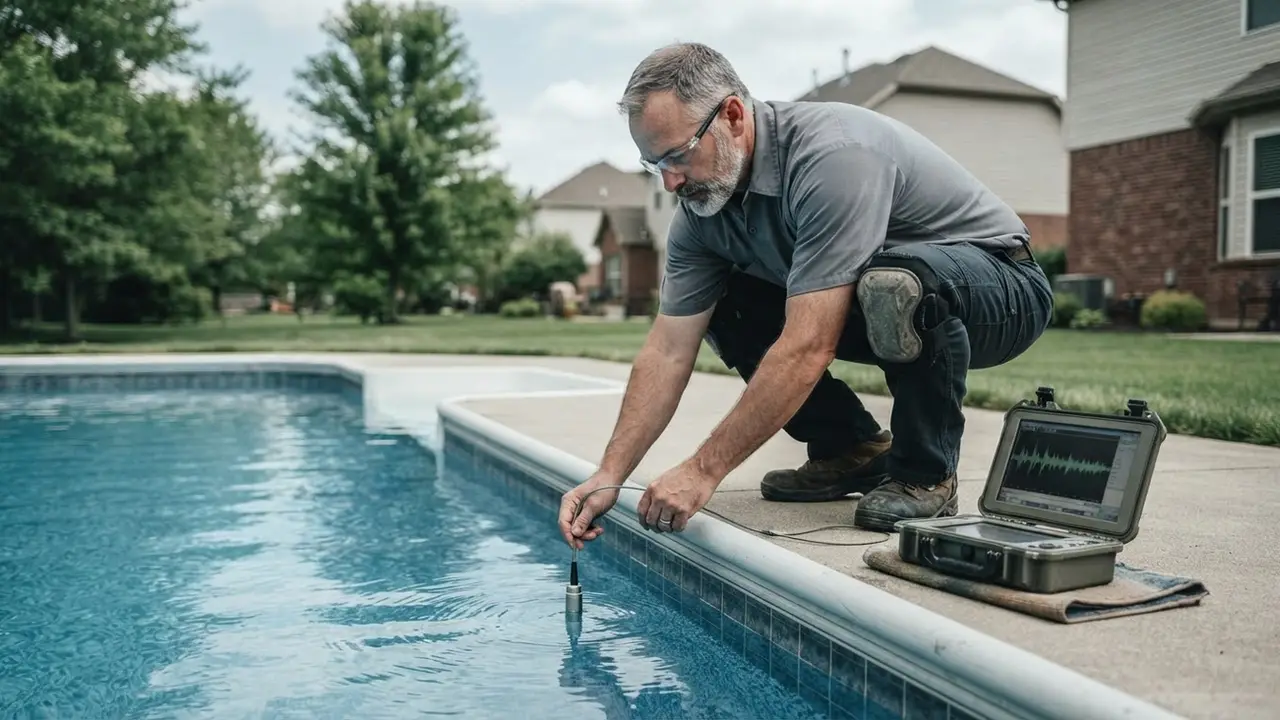
You describe the symptom: a ceiling water stain, a warm spot on the floor, a spike in your water bill. We ask three questions to narrow the likely source, then schedule a same-day or next-morning window. Most calls in Greenville get a technician on site within 2 to 4 hours.
We isolate the fixture lines and attach a pressure testing gauge to the main. If the gauge drops with everything closed, we know the leak is on the supply side. That single test eliminates half the guesswork before we ever open a wall.
A Fluke thermal imaging camera shows temperature differences where water is moving. We follow that with a Sewerin acoustic leak detection microphone to hear the hiss of pressurized water through drywall. Together, these tools narrow the leak to within 6 inches.
A moisture meter confirms the wet boundary, and a video pipe inspection camera checks the inside of the line if we suspect corrosion. We mark the leak point with tape and photograph it. You see the evidence before we discuss repair options.
We cut the smallest access hole possible, repair the pipe with copper or PEX piping and proper fittings, then re-pressurize the system for 30 minutes. If the gauge holds, we close the wall and leave the area clean. You get a written summary of what failed and why.
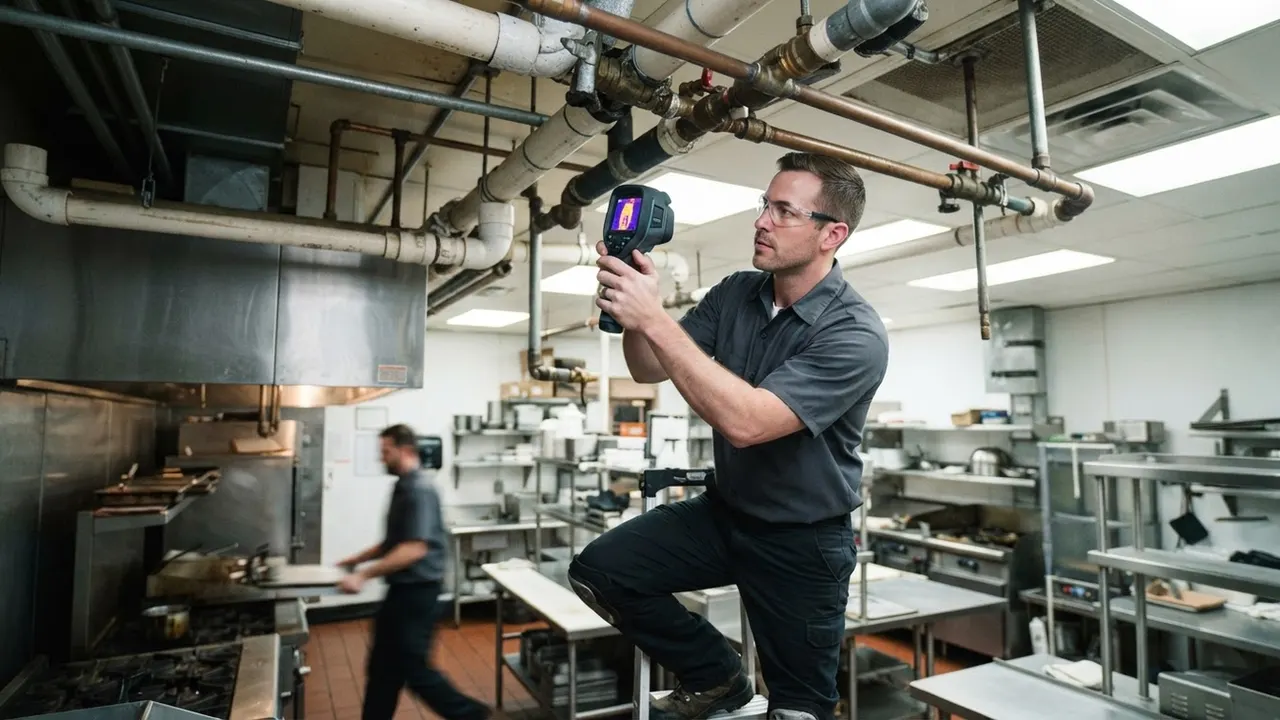
Detects temperature differences caused by water moving behind drywall or above a ceiling. It shows the wet zone before a stain appears.
Listens for the hiss of pressurized water escaping a pipe. It narrows the leak to within about 6 inches when combined with thermal data.
Lets us see inside the pipe to confirm corrosion, a split, or a failed fitting before we cut into the wall.
Confirms whether the leak is on the supply side. A dropping gauge with all fixtures closed means the loss is in the line, not a drain.
Traces the path of underground and in-wall lines so we know where to open the wall or dig.
Confirms the wet boundary and tells us how far water has traveled. It also tells us whether the wall is dry enough to close.
We close every fixture and pressurize the system to isolate the supply side from the drain side. This single test tells us whether the leak is in a pressurized line or a gravity drain, which cuts diagnostic time in half.
We overlay thermal images with acoustic readings to pinpoint the leak. The thermal camera shows where water is, and the microphone shows where it is escaping. When both tools agree, we are confident enough to cut a small access hole.
We repair with copper or PEX piping and proper fittings, following NC plumbing code. We use pipe sealant and Teflon tape on threaded joints, and we pressure-test every repair for 30 minutes before closing the wall.
After the repair, we map the remaining moisture with a meter and confirm the wall or ceiling is drying. We do not close a wall over a wet cavity, because that is how mold starts. We give you a target moisture reading to watch.
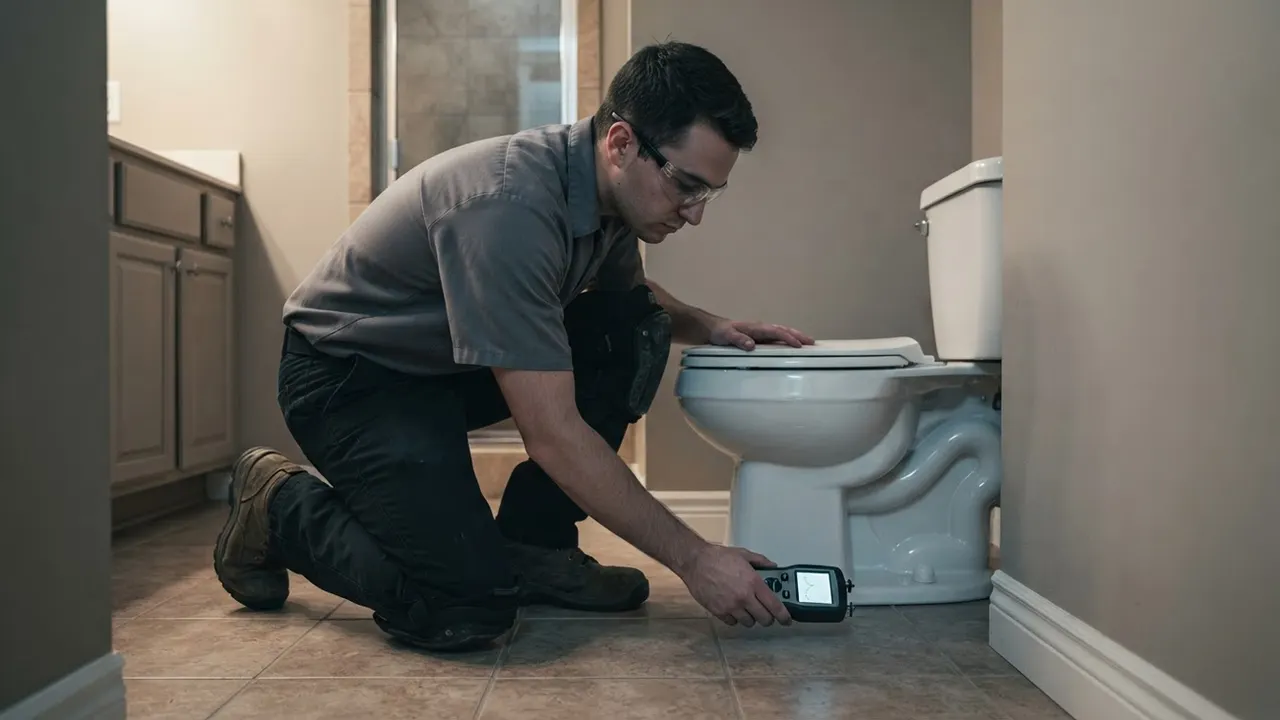
We inspect the ceiling with a thermal camera and pressure-test the supply lines above it. If the stain correlates with rain, we also check roof penetrations and attic plumbing. We isolate the source and repair it the same day when access allows. You get a dry ceiling, a documented repair, and a clear answer on whether the roof or the plumbing caused the stain.
We run a full pressure test and use acoustic equipment to listen for loss inside the walls. A pipe locator helps us trace the line if the leak is underground or under the slab. We repair the line and re-test before we leave. The waste stops, the next bill returns to normal, and you avoid the structural damage that a slow leak causes over months.
We perform a pre-purchase leak inspection with thermal imaging and moisture mapping. We document the source, the extent of the moisture, and whether the repair has already been made. You get a written report you can use in negotiations. You know exactly what you are buying and whether the stain is old damage or an active leak that needs repair.
We shut the water down, locate the split with a video pipe inspection camera, and repair it with copper or PEX piping. We pressure-test the line for 30 minutes and check the surrounding wall and ceiling for water damage. Water is back on, the wall is dry, and you have a repair that will hold through the next freeze.
Greenville sits in Pitt County, where the water is moderately hard and the summers are humid enough to keep a wall cavity damp for weeks. That combination is hard on copper pipe. We see pinhole leaks in homes built between 1960 and 1990 far more often than in newer construction, and those leaks almost always show up as a ceiling stain before they show up as a puddle. Winter adds a second failure mode: a hard freeze can split a pipe in an exterior wall, and the leak only appears when the thaw starts. We also see irrigation line leaks that saturate the soil against a foundation and push water into the wall cavity. If you need ceiling leak detection and repair in Greenville NC, we bring the thermal camera and the pressure gauge on the first visit. We know the housing stock in 27834, 27858, and 28590, and we know which neighborhoods have the older copper systems that fail most often.
Many homes here date to the early 1900s and have a mix of galvanized and copper pipe. Ceiling leaks in these houses often trace back to a repaired joint that finally gave out.
A mix of 1970s ranches and newer builds. The older homes have copper supply lines that are prone to pinhole leaks above the ceiling.
Growing fast with new construction, but the older sections still have original plumbing. We see shower valve leaks that stain the ceiling below.
Rental density is high, and small leaks get ignored until the ceiling fails. We do a lot of landlord inspections here.
Minerals slowly corrode copper from the inside, creating pinhole leaks that drip inside walls for months before a stain appears. This is the number one cause of ceiling leaks we find in Greenville.
High humidity slows drying and encourages mold growth in a wet wall cavity. We treat every ceiling stain as an active leak until the moisture meter proves otherwise.
Pipes in exterior walls and unheated crawlspaces can split. The leak often appears only when the thaw starts, which is why we get a spike in calls after a cold snap.
Soil movement can shift underground lines and cause slab leaks that wick upward into walls. We check the slab whenever a first-floor wall stain appears.
A homeowner in the 27858 ZIP code had a brown ring spreading across the kitchen ceiling for three weeks. Two other companies suggested tearing out the ceiling. The water bill had risen $60, but no puddle was visible.
We pressure-tested the system, scanned with a thermal camera, and found a pinhole in a copper line 8 inches above the drywall. We repaired it through a 4-inch access hole and pressure-tested for 30 minutes. The stain stopped spreading that day.
Maintenance: We recommended checking the water bill monthly and watching for new stains. A $15 moisture meter lets the homeowner confirm the ceiling stays dry after heavy use.
A Winterville homeowner noticed bubbling paint on the hallway wall next to the bathroom. The drywall felt soft, and a musty smell had started. The shower had been dripping inside the wall for at least a month.
We used an acoustic microphone to trace the leak to the shower valve body. We replaced the valve and cartridge, dried the wall cavity, and confirmed with a moisture meter that the wall was below 15 percent moisture before closing it.
Maintenance: We told the homeowner to run the fan for 20 minutes after every shower and to check the caulk line annually. A dry wall stays dry when the valve is not dripping.
After a January freeze, a Greenville homeowner woke up to water dripping from a first-floor ceiling. The pipe had split inside an exterior wall, and the leak only started when the temperature rose above freezing.
We shut the water down, opened a small access panel, and repaired the split with PEX piping. We pressure-tested the line for 30 minutes and dried the ceiling cavity. The repair held through the rest of the winter.
Maintenance: We recommended insulating the exterior wall cavity and keeping cabinet doors open during hard freezes. A $20 pipe insulation sleeve prevents a repeat split.
Most hidden leaks announce themselves with a stain, a smell, or a bill. Here are the four problems we see most often in Greenville homes and how we fix them.
The stain means water is actively moving above the drywall. Left alone, it saturates insulation, rots framing, and feeds mold within 48 hours. We pressure-test the supply lines above the ceiling, scan with a thermal camera, and locate the failure. Then we repair the pipe through a 4-inch access hole and dry the cavity. Most ceiling water stain repair Greenville NC jobs are finished in one visit.
Bubbling paint means the drywall paper is separating from moisture behind it. The wall loses structural strength and becomes a mold reservoir. We use an acoustic leak detection microphone and moisture meter to trace the water to its source, which is often a shower valve or a supply line in the adjacent wall. We repair the pipe, treat the drywall, and verify the wall is dry before we close it.
A pinhole leak can waste 10,000 gallons a month. You pay for water that never reaches a fixture, and the loss slowly damages the structure. We isolate the system with a pressure testing gauge and use a pipe locator to trace the line. If the loss is inside a wall or ceiling, we find it with thermal imaging and repair it. Most customers see the next bill drop by $40 to $90.
A musty odor usually means mold is growing in a wall cavity or above a ceiling. By the time you smell it, the leak has been running for weeks. We scan the room with a thermal imaging camera and confirm moisture with a meter. Once we find the source, we repair the pipe and recommend a drying protocol. We also check the crawlspace, since a leak there can push odor upward.
Greenville Leak Detection Pros has been in business since 2015, and we have completed more than 6,000 leak inspections across Pitt County. Our technicians hold NC plumbing license credentials and backflow prevention certification, and we train annually on RIDGID and General Pipe Cleaners diagnostic platforms. We are an EPA WaterSense partner, which means we treat every wasted gallon as a problem worth solving. Ceiling and wall leaks are our most common call, and we have seen every failure mode this region produces: slab leaks that wick up into walls, frozen pipe splits that only show when the thaw starts, and irrigation line leaks that saturate a foundation for months.
Most ceiling leak detection jobs in Greenville NC run $180 to $450 for the diagnostic, and the repair adds $250 to $900 depending on access and pipe material. The diagnostic fee covers the pressure test, thermal scan, and moisture mapping. If we can reach the leak through a small access panel, you stay at the low end. Slab or second-story leaks that require more demolition push toward the higher range. We give you the number before we start.
You find the source by pressurizing the plumbing system and scanning the wall with a thermal imaging camera while listening with an acoustic microphone. Water moving behind drywall creates a temperature difference and a faint hiss that these tools pick up. A moisture meter then confirms the wet boundary. Trying to find it by cutting holes is slow and destructive. Our technicians narrow it to a 6-inch zone in about an hour.
Yes. Most ceiling leaks we repair in Greenville need only a 4-inch access hole. We use a video pipe inspection camera to see the failure from inside the line, then repair the pipe with copper or PEX piping and proper fittings. The drywall patch is small enough to texture and paint in one visit. Full ceiling removal is rare and usually only happens when the leak has been running for months and the drywall has already failed.
Water stains on ceilings in Greenville NC usually come from four sources: a failing supply line above the ceiling, a leaking toilet or shower drain, a roof penetration, or condensation from an HVAC line. Copper pipe pinholes from our water chemistry are the most common. A stain that grows after rain points to the roof. A stain that appears after every shower points to a drain. We test each possibility before we cut anything.
Not seeing your question? Our local team can help you understand urgency, scheduling and what to expect.
Ask the local team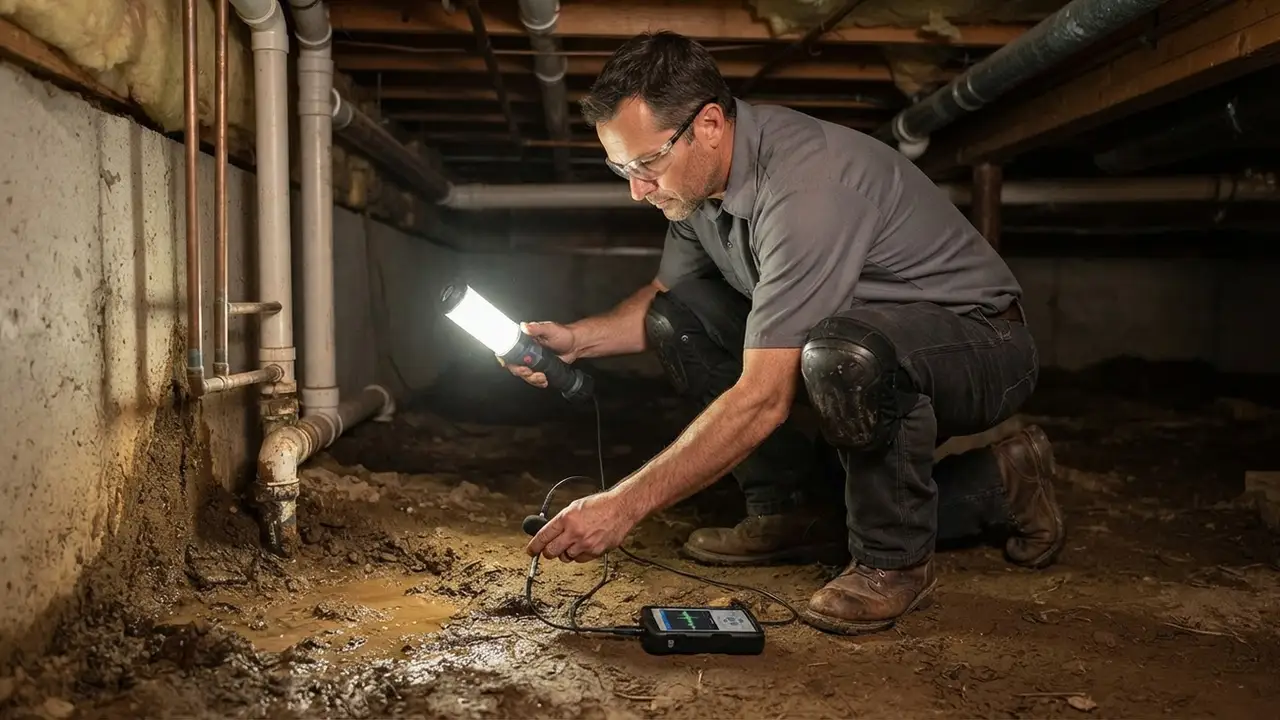
The main water line is the most common source of hidden loss that shows up as a ceiling stain. We pressure-test the line and locate the break with acoustic equipment before repairing it with code-compliant fittings.
View service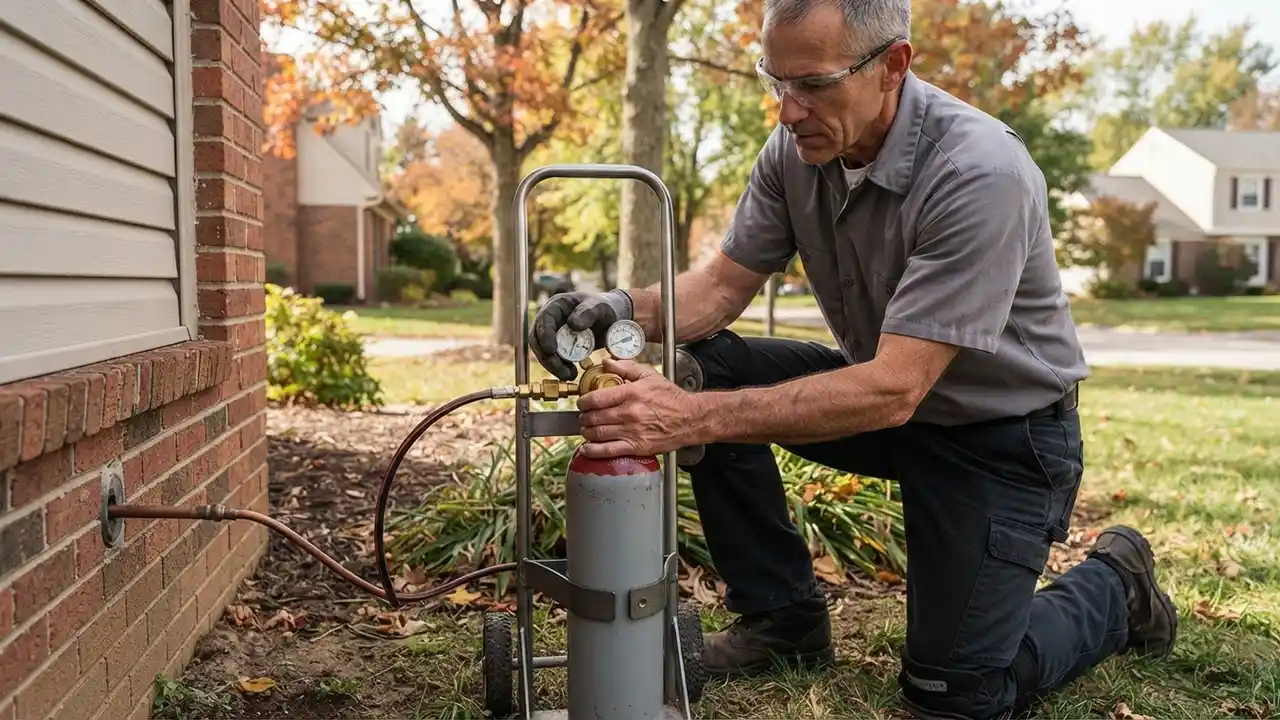
A ceiling stain and a high water bill often share the same cause. We isolate the loss with a pressure testing gauge and a pipe locator, then confirm whether the waste is on the supply side, the drain side, or an irrigation line.
View service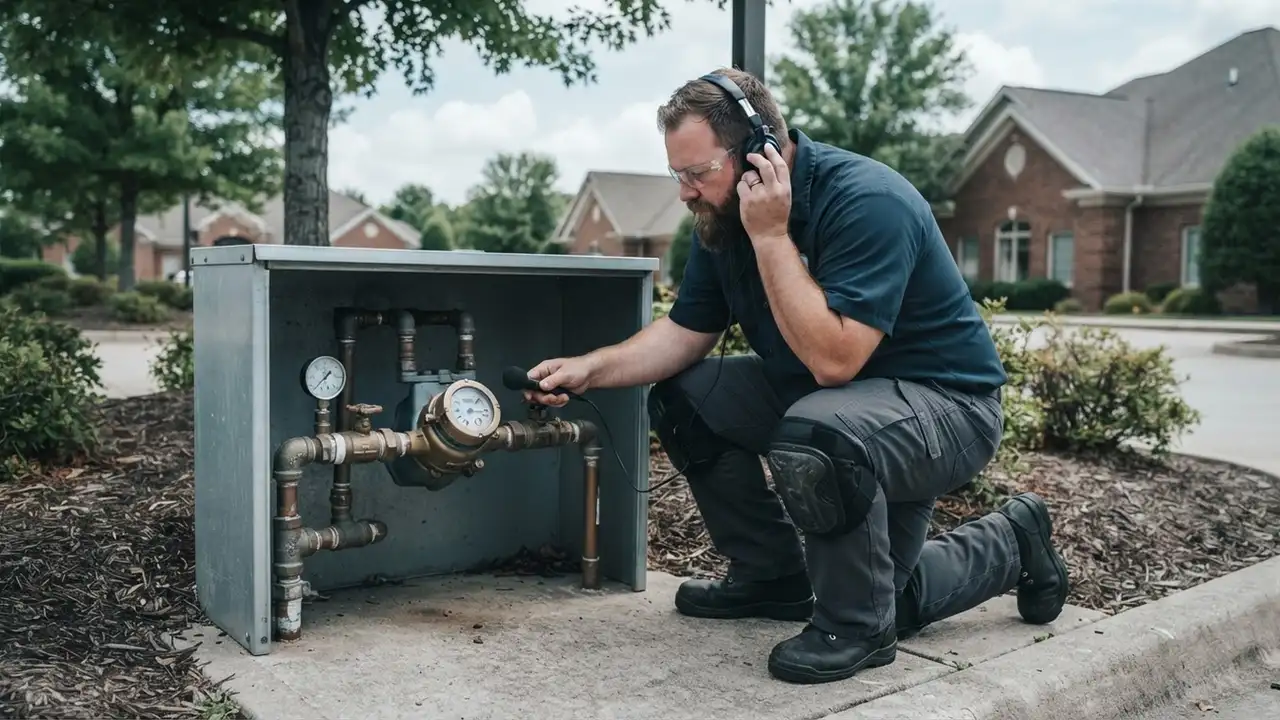
Slab leaks wick upward through the foundation and appear as ceiling or wall stains on the first floor. We use thermal imaging and acoustic microphones to confirm the slab as the source before we recommend any concrete work.
View serviceRestaurants, offices, and retail spaces in Greenville deal with the same ceiling and wall leaks on a larger scale. We schedule after-hours inspections so we do not disrupt your business while we trace the source.
View service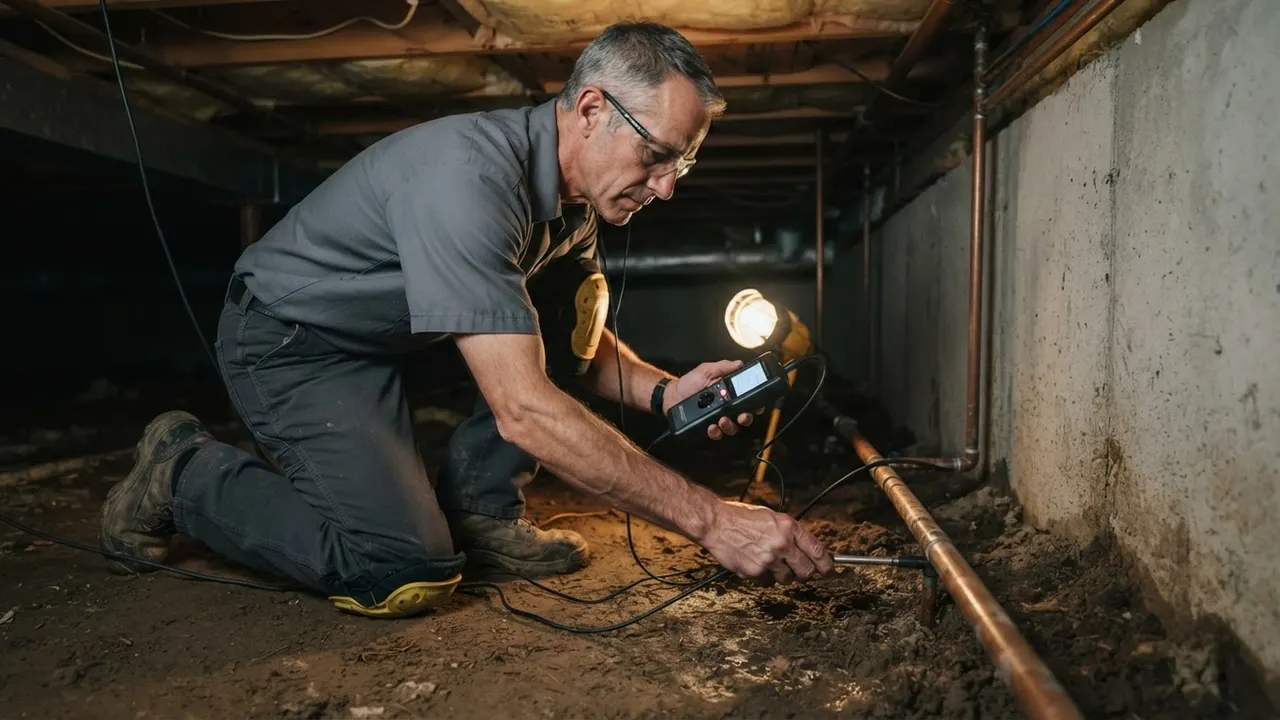
Call +923139383014 and tell us what you are seeing. Our office is open 8 a.m. to 6 p.m. Monday through Friday, and our emergency line runs 24/7 for burst pipes and active flooding. Most Greenville calls get a technician within 60 to 90 minutes. You can also email info@greenvilleleakdetectionpros.com with photos of the leak.