Focused arrival windows
Useful updates and clear arrival timing.
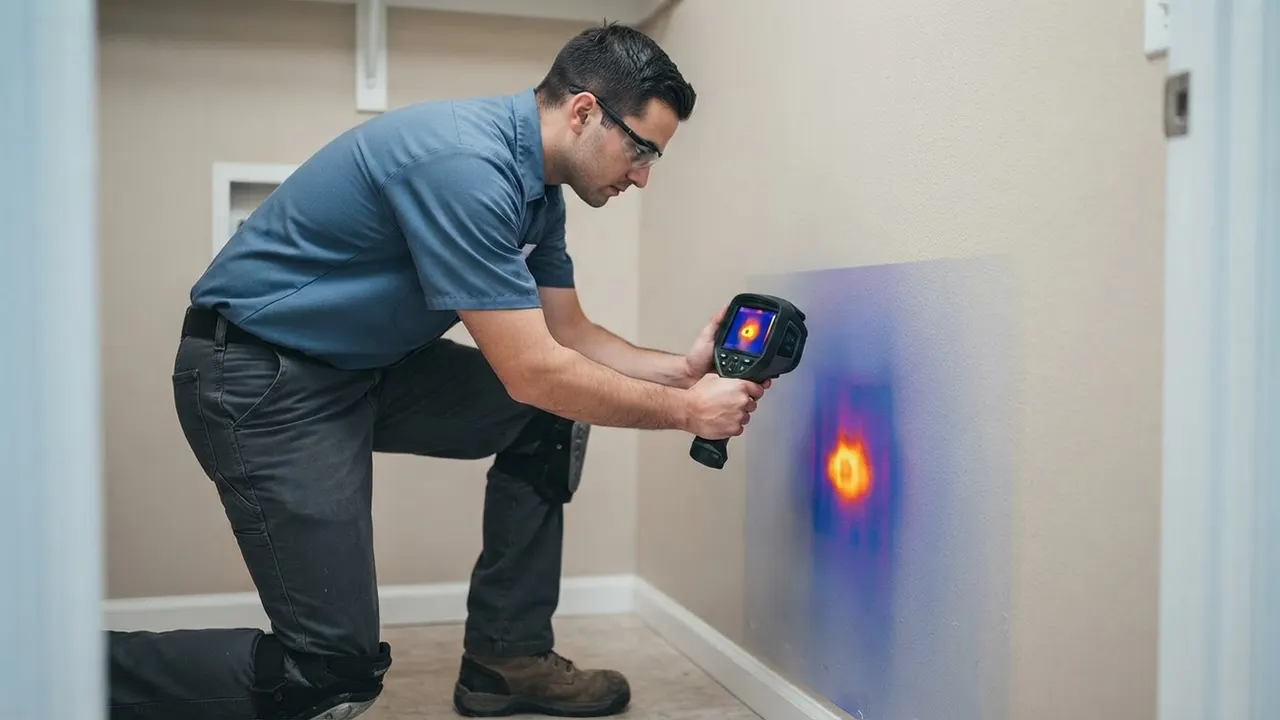
High Water Bill Leak Detection in Greenville starts with a simple question: where is your water going? We use acoustic microphones, thermal imaging cameras, and pressure testing to pinpoint hidden leaks behind walls, under slabs, and in crawlspaces across Greenville, North Carolina. If your water bill spike leak repair in Greenville NC needs to happen today, we run 24/7 and answer the phone.
Useful updates and clear arrival timing.
Review the approach and price before deciding.
Equipped vehicles and respectful cleanup.
Neighbors serving neighbors with follow-through.
Every detection visit covers the full diagnostic, the written finding, and a repair quote. Repair is priced separately once you see the evidence, so you decide with real numbers in front of you.
We read your meter, isolate every zone, and pressure-test each branch to determine whether the loss is inside the house, in the yard, or at an irrigation line. This is the step that keeps us from guessing.
We sweep the suspect area with an acoustic leak detection microphone and a thermal imaging camera. Both tools confirm the leak point before we mark it, so the repair access is small and targeted.
You get the leak marked on the floor, wall, or ground, plus a written summary with photos and meter readings. That documentation supports insurance claims and Greenville Utilities leak adjustment requests.
Once the leak is located, we quote the repair in plain numbers. You approve it before any pipe is opened. No surprise charges, no hourly meter running while we work.
After the repair we run every fixture and watch the meter with everything off. If the low-flow indicator still moves, we keep looking. The job is not finished until the meter is still.
Share what is happening and receive a clear next step from the local team.
High Water Bill Leak Detection in Greenville is a diagnostic service that locates the source of unexplained water usage before any pipe is opened. We start by comparing your meter reading against your normal usage, then isolate the system into zones using shut-off valves and a pressure testing gauge. From there we listen for the leak with an acoustic leak detection microphone, scan walls and floors with a thermal imaging camera, and confirm the exact spot with a tracer gas leak detector or ultrasonic leak detector. You get a marked location, a written finding, and a repair plan.
Most Greenville homeowners call us after two or three billing cycles of guessing. A running toilet or dripping faucet is easy to spot, but a slab leak, underground water line leak, or irrigation line leak can waste thousands of gallons before it shows. If you have been searching for a way to find hidden water leak causing high bill Greenville NC, that is exactly the work we do daily. We serve Pitt County and the surrounding towns, and we can usually tell you within the first hour whether the loss is inside the house or out at the meter.
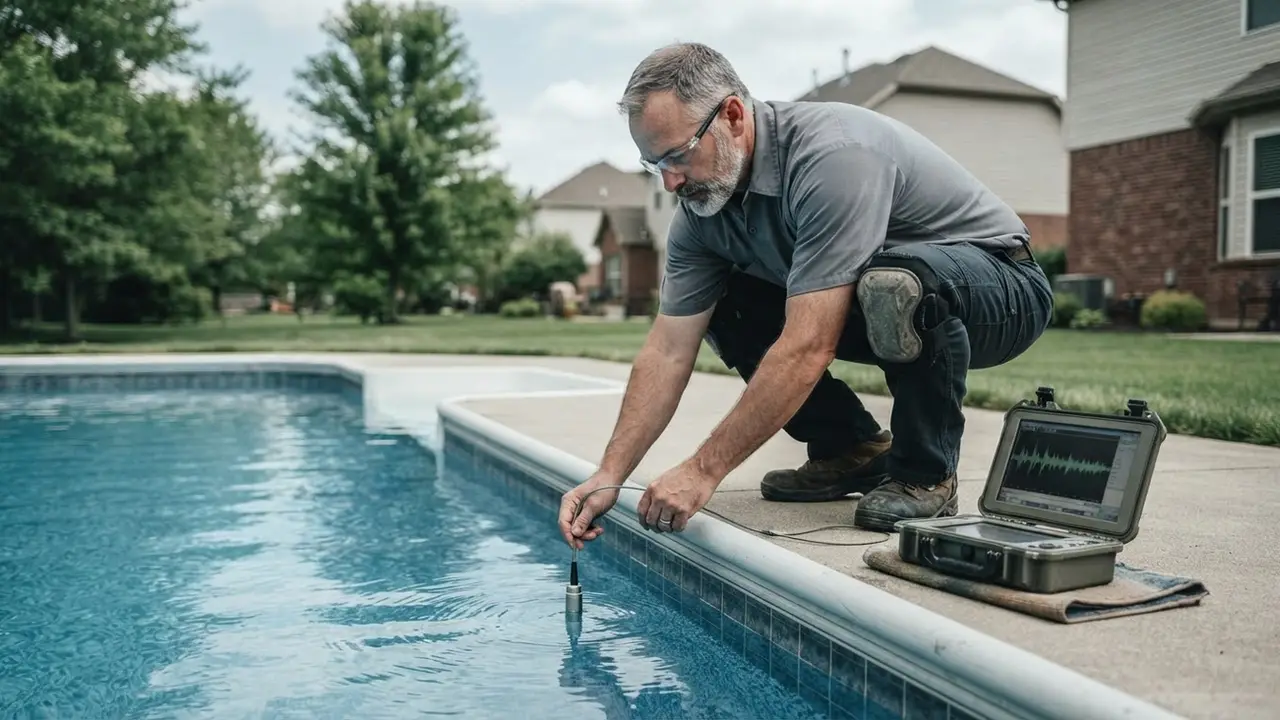
We ask for your last two bills, your meter number, and whether the low-flow indicator on the meter is spinning. That one question tells us if the leak is on the pressure side or the drain side. You get a two-hour arrival window and a text when the technician is en route.
The technician shuts every fixture, watches the meter, then isolates zones one at a time using the main valve and fixture stops. A pressure testing gauge holds each zone to confirm which branch is losing water. This step takes 20 to 30 minutes and often narrows the search to a single room or exterior line.
We sweep the suspect area with an acoustic leak detection microphone and a thermal imaging camera. Sound and temperature both spike at the leak point. On slab leaks we compare readings across the floor; on wall leaks we look for the cool stripe a wet cavity leaves behind. Most leaks are pinpointed within 15 minutes of scanning.
We confirm the spot with a tracer gas leak detector or ultrasonic leak detector and mark it on the floor or wall with tape. You see the reading, the photo, and the marked location before we discuss repair. No guesswork, no exploratory demolition.
We cut the smallest access needed, repair the pipe with the correct material, and pressure-test the line. Then we run every fixture and watch the meter again with everything off. If the low-flow indicator is still moving, we keep looking. The job is not done until the meter is still.
Listens for the high-frequency hiss of pressurized water escaping a pipe. We use it on slabs, walls, and underground lines to narrow the leak to within a few inches.
Shows temperature differences caused by escaping water. A wet slab or wall cavity reads cooler than the surrounding material, which confirms the acoustic finding visually.
Holds each isolated zone at pressure to prove which branch is losing water. This is how we separate a supply leak from a drain leak before we open anything.
Introduces a safe tracer gas into the line and detects where it escapes. It is the most reliable way to confirm an underground water line leak without trenching.
Runs a camera through the line to find cracks, failed joints, and root intrusion. We use it on drain and sewer lines when the water loss points to a broken pipe.
Measures water content in drywall, wood, and concrete. It tells us how far moisture has spread and whether the area is dry enough to close after repair.
Maps the path of buried lines before we dig. Knowing exactly where the pipe runs keeps the excavation small and protects irrigation and gas lines.
We shut the main, isolate each branch with fixture stops, and hold pressure on one zone at a time. The zone that will not hold is the one with the leak. This method is fast, non-invasive, and works on any home regardless of pipe material.
Sound and temperature both change at a leak point. By correlating the acoustic reading with the thermal image, we confirm the location before we cut. Two independent tools agreeing is how we avoid exploratory demolition.
For underground and slab leaks where sound is muffled, we introduce a tracer gas into the isolated line and scan the surface above it. The gas escapes at the break, giving us a precise surface location to mark and repair.
After every repair we run all fixtures, shut them off, and watch the meter's low-flow indicator. If it moves, the leak is not fully resolved. This final check is the only proof that matters, and we do not skip it.
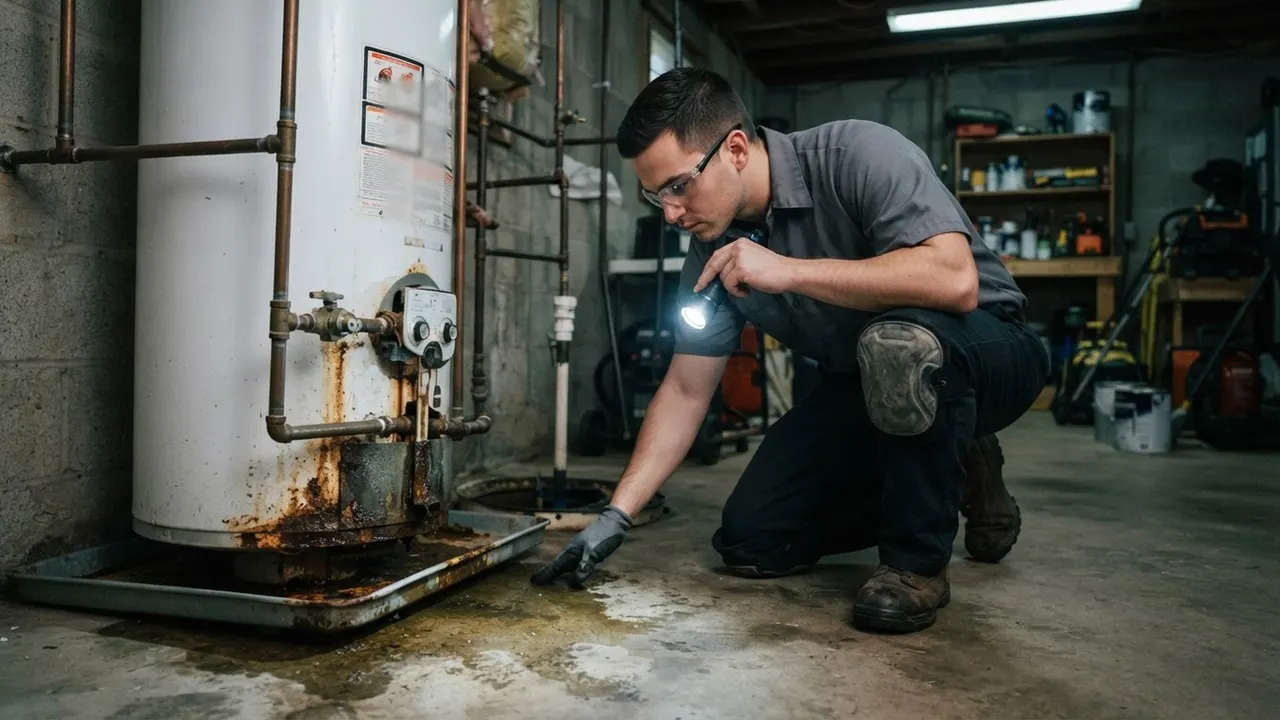
We run a full meter and zone analysis, then scan the suspect areas with acoustic and thermal equipment. If the loss is underground, we use a tracer gas leak detector to confirm the path before we dig. You get a marked leak location and a repair quote the same day, so you can stop the loss before the next billing cycle.
Running water with fixtures off usually means a supply line leak behind a wall or under a slab. We isolate the zone, listen with an acoustic microphone, and confirm with thermal imaging before opening anything. The leak is repaired through a small access point instead of a torn-up wall, and the meter stops moving.
We perform a documented leak detection survey, photograph every reading, and provide a written report the buyer, seller, and agent can all use. If a leak is found, we quote and complete the repair. The transaction moves forward with a clear answer instead of a renegotiation over an unknown water problem.
We map the domestic and irrigation systems, isolate each branch, and test overnight when usage should be zero. Acoustic and ultrasonic tools find the loss without shutting down your business. You get a repaired line and a documented reduction in water usage you can show ownership.
Greenville sits on the Tar River in Pitt County, and the housing stock tells the story. Older mill houses near downtown and the West Greenville area often have original galvanized or copper supply lines that pinhole after decades of slightly acidic water. Newer subdivisions off Fire Tower Road and in the 27858 ZIP code use PEX and CPVC, which fail more often at fittings than in the pipe itself. Our summers are hot and humid, so crawlspace leaks hide behind insulation and irrigation systems run hard from May through September. Winter freezes are short but sharp, and a frozen pipe that splits in a vented crawlspace can run undetected for days. If you need 24/7 high water bill leak detection in Greenville, we know where to look first based on the age and construction of your home. We serve 27834, 27858, and 28590 daily, and we carry repair stock for copper, PEX, CPVC, and PVC so most jobs finish in one visit.
Older mill-era homes with original copper and galvanized lines. Pinhole leaks and slab leaks are common here, and we scan carefully before opening any floor.
Newer construction with PEX and CPVC. Leaks usually show at fittings and manifolds, so we pressure-test each branch before cutting drywall.
Mixed-use buildings where a commercial meter serves upstairs apartments. We isolate each unit to find which tenant's line is losing water.
Well and rural water systems with long service lines. Underground leaks are common, and tracer gas is the fastest way to find them.
Irrigation systems run daily and a stuck zone valve can waste 10,000 gallons a week without showing above ground. We pressure-test every zone during summer calls.
Pipes in vented crawlspaces and exterior walls split when temperatures drop into the 20s. We check those runs first on any cold-weather high bill call.
Older Greenville homes develop pinhole leaks that waste water slowly and quietly. Acoustic listening finds them long before a visible stain appears.
Pitt County clay shifts with moisture, stressing buried service lines and slab plumbing. We use a pipe locator before any excavation to keep the dig small.
A homeowner on the east side of Greenville saw her bill climb from $52 to $188 over two cycles. The floor in the hallway was warm in one spot and the meter spun with every fixture off. Two other companies quoted a full slab break-out.
We confirmed a hot-water slab leak with thermal imaging and acoustic correlation, cut one 18-inch access square, and repaired the copper line. The next full bill came in at $54, and the meter held still with everything off.
Maintenance: Keep the repaired area dry for a week and watch the next two bills. If the meter stays still, no further action is needed.
A Winterville customer's summer water bill tripled while the lawn stayed green. The sprinkler system ran at 4 a.m. and a broken lateral line was dumping water into the soil. Nothing showed above ground and the controller gave no fault code.
We pressure-tested each zone, found zone four losing pressure, and located a cracked lateral with the acoustic microphone. The line was repaired the same visit. The following month's bill dropped by $140.
Maintenance: Run each zone for two minutes monthly and watch for soft spots or unusually green patches. Replace failed heads as soon as they are spotted.
A rural Pitt County home had a meter that never stopped spinning. The bill doubled in one cycle and the yard had a soggy stripe between the meter and the house. The homeowner was quoted a full yard replacement by another contractor.
Tracer gas confirmed a break in the service line within six feet of the foundation. We excavated one small hole, replaced the failed section with PEX, and pressure-tested the run. The meter stopped and the bill returned to normal the next cycle.
Maintenance: Watch the meter monthly with all fixtures off. A still low-flow indicator means the line is holding.
A high water bill is the symptom. These are the underlying problems we find and fix every week across Pitt County.
You keep paying for water that is going into the ground or under your slab, and the damage grows every day it runs. We isolate the system at the meter, pressure-test each zone, and scan with acoustic and thermal tools until the loss is pinpointed. Most invisible leaks are found within an hour and repaired the same day.
That spinning dial means water is moving through the line right now. Left alone, it can undermine a foundation or flood a crawlspace. A spinning meter with everything off points to a pressure-side leak. We trace it from the meter inward, check the service line, and repair the failed section with the correct pipe material.
Moisture under a slab or in a crawlspace leads to mold, rotted subfloor, and footing cracks that cost far more than the leak repair. We use a moisture meter and thermal imaging camera to map the wet area, then confirm the leak with acoustic listening. Repair is targeted, and we verify the area dries before we close it up.
A stuck valve or broken head can waste 10,000 gallons a week and never show above ground, driving your bill up all summer. We pressure-test each sprinkler zone, find the failed head or line, and repair it. Then we re-test every zone to confirm the system holds pressure before we leave.
The three most common causes in Greenville are a running toilet flapper, a slab leak under the foundation, and an irrigation line leak that only shows when the system runs. A toilet flapper can waste 200 gallons a day. A slab leak can waste 2,000. Check your meter with every fixture off. If the low-flow dial still moves, you have a pressure-side leak and it is worth a professional scan.
Start at the meter, then isolate. Shut the main valve. If the meter stops, the leak is inside the house. If it keeps spinning, the loss is between the meter and the house, often an underground water line leak. From there you need acoustic and thermal tools to pinpoint it without digging up the whole yard. That is the part we handle.
Yes, once the leak is repaired. Detection alone does not lower the bill, but it tells you exactly where to cut. Most Greenville customers we help see the bill return to its normal range on the next full billing cycle after repair. If the leak has been running for months, you may also qualify for a leak adjustment from Greenville Utilities. We provide the documentation you need to request it.
Typical 2026 detection pricing in Greenville runs $180 to $450 depending on how many zones we have to isolate and whether the leak is inside or underground. Slab and underground line scans sit at the higher end because they take longer to confirm. Repair is quoted separately after you see the finding. We tell you both numbers before any work starts.
Not seeing your question? Our local team can help you understand urgency, scheduling and what to expect.
Ask the local team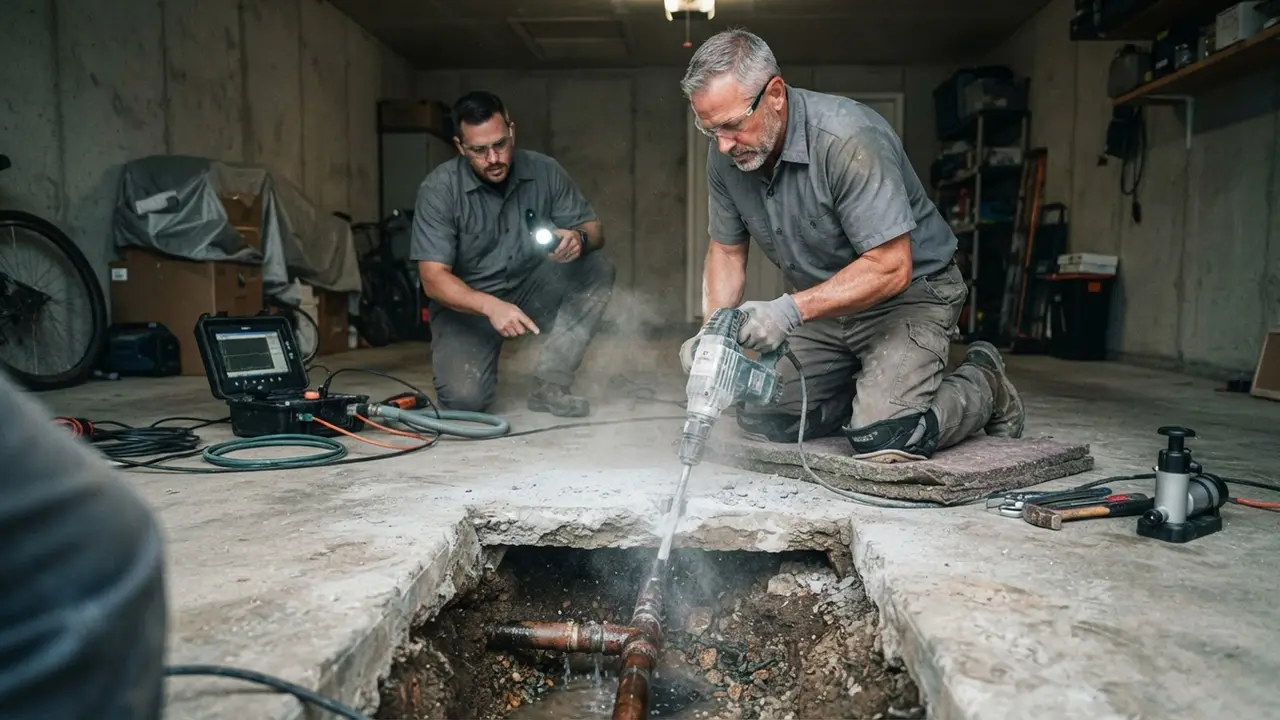
The service line between your meter and the house is the most common source of a high bill that never shows inside. We trace it, locate the break, and repair or replace the run with PEX or copper.
View service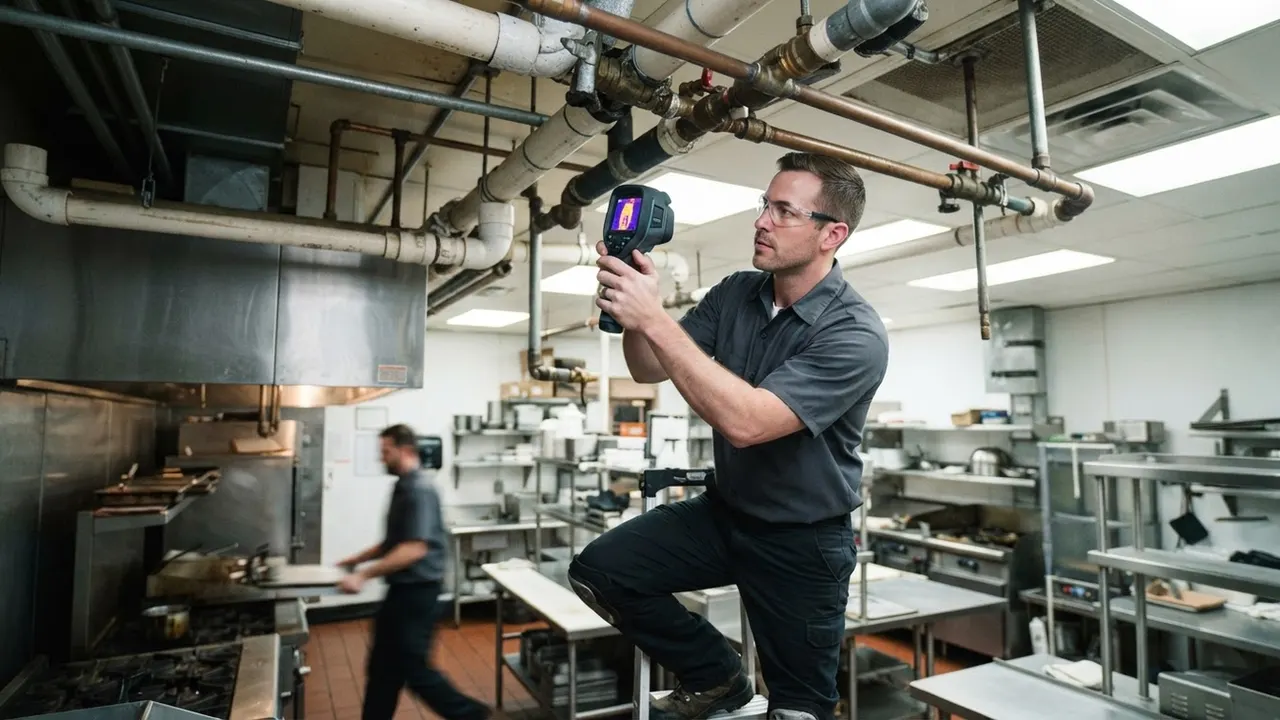
A slab leak drives up water bills and undermines footings. We pinpoint it with acoustic and thermal tools, then repair through the smallest possible access point in the floor.
View service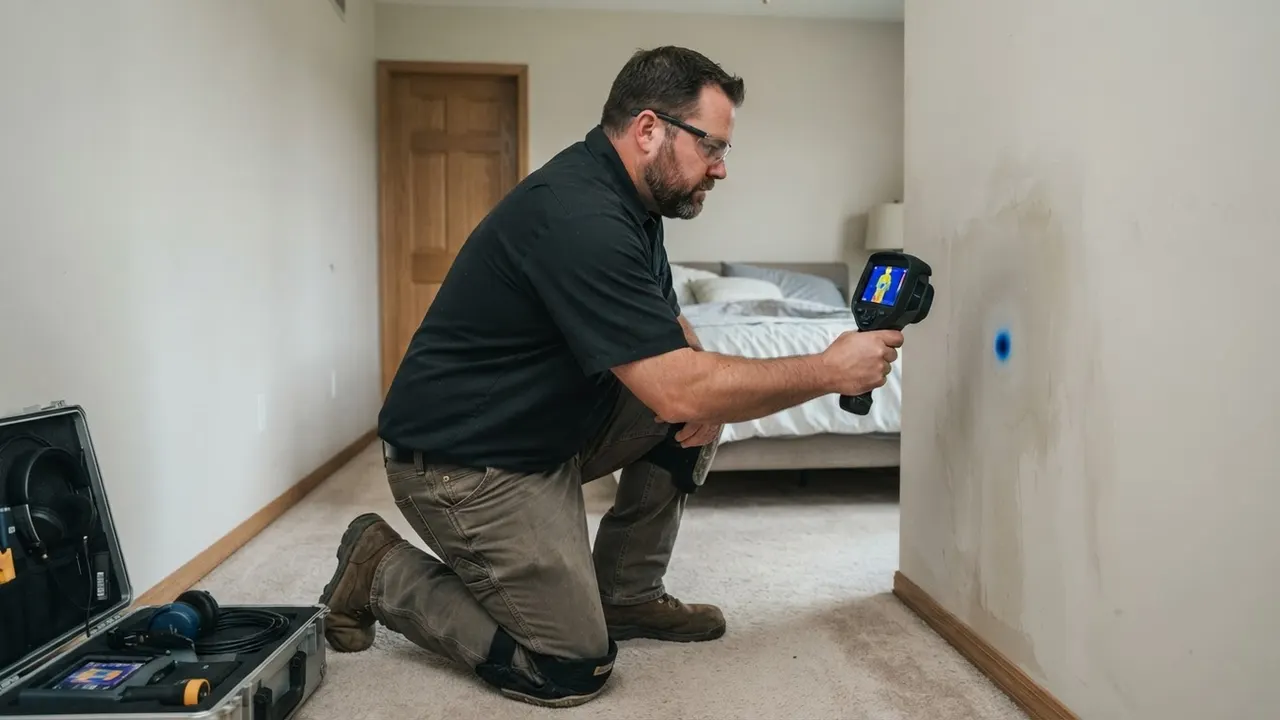
Restaurants, laundromats, and apartment buildings in Greenville lose water around the clock. We map the system, isolate the loss, and repair without shutting down your operation for a full day.
View service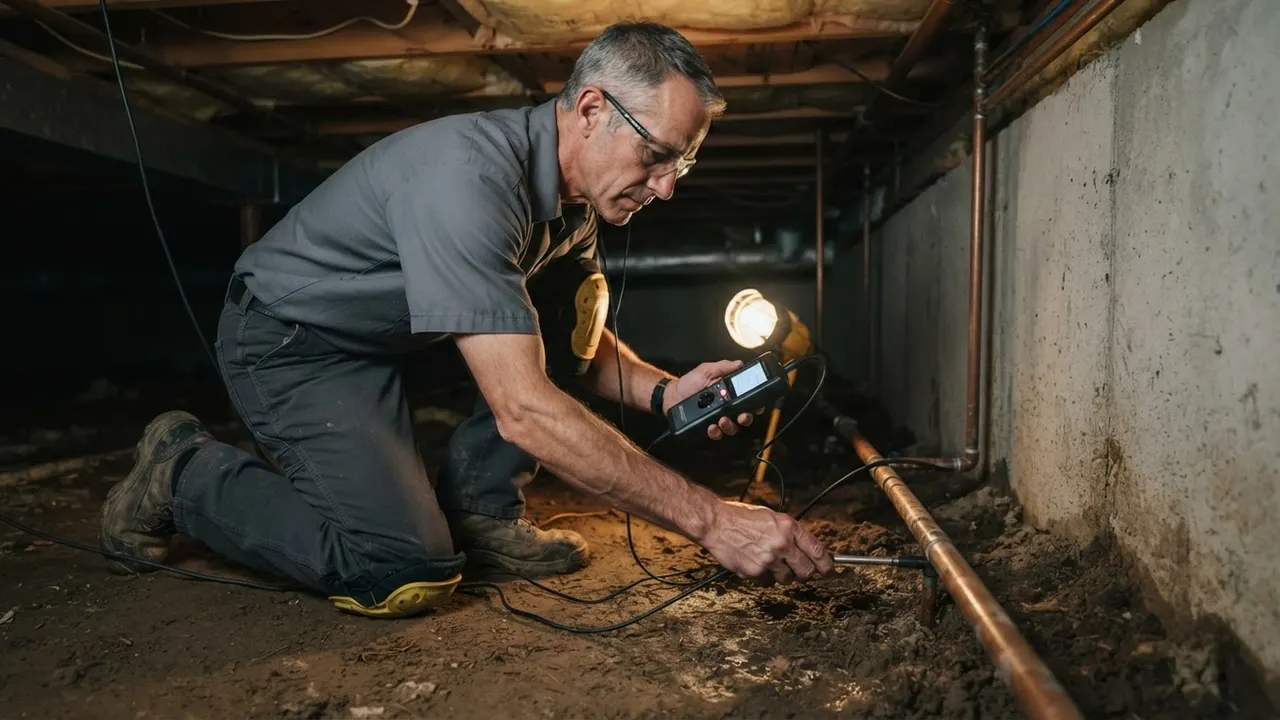
A ceiling water stain usually means a supply or drain leak above it. We read the moisture gradient with a moisture meter and thermal camera to find the source before the drywall comes down.
View serviceCall +923139383014 and tell us what you are seeing. Our office is open 8 a.m. to 6 p.m. Monday through Friday, and our emergency line runs 24/7 for burst pipes and active flooding. Most Greenville calls get a technician within 60 to 90 minutes. You can also email info@greenvilleleakdetectionpros.com with photos of the leak.