Focused arrival windows
Useful updates and clear arrival timing.
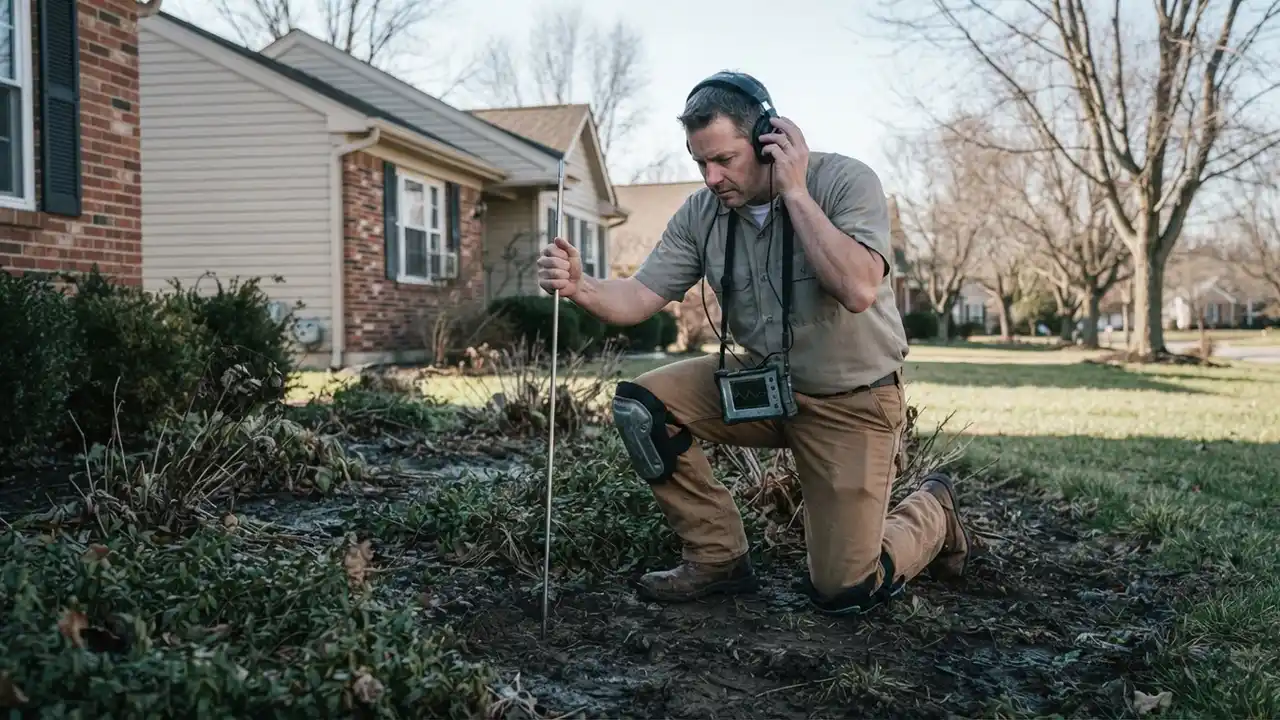
Irrigation & Sprinkler Leak Detection in Greenville is the fastest way to stop a sprinkler line from draining your water bill and drowning your lawn. We use acoustic microphones and tracer gas to pinpoint the break without tearing up the whole yard. If your system is losing pressure or a soggy patch won't dry out, call us. We serve homeowners and commercial properties across Pitt County, NC.
Useful updates and clear arrival timing.
Review the approach and price before deciding.
Equipped vehicles and respectful cleanup.
Neighbors serving neighbors with follow-through.
Every diagnostic visit covers the full system, not just the zone you think is broken. We test the mainline, manifold, backflow assembly, and each lateral. Repairs are quoted separately, but the diagnostic fee is credited toward the work if you approve it.
We connect a pressure testing gauge to the manifold and run every zone individually. You get a written log showing which zones hold pressure and which ones drop. That tells us exactly where to focus.
Using an acoustic leak detection microphone and tracer gas leak detector, we pinpoint the break within inches. No random trenching. We mark the spot with paint so you can see the target before we dig.
We inspect the backflow preventer for leaks, test the check valves, and confirm it meets Pitt County code. If it fails, we can repair or replace it and file the certification paperwork.
We open the valve box and check every solenoid, diaphragm, and fitting. A failed valve diaphragm can mimic a line leak. We test each one so you don't pay for a line repair you didn't need.
After the diagnostic, you get a flat price for the repair. It covers labor, parts, excavation, and backfill. No hourly surprises. If you approve it, we schedule the repair, often the same day.
Share what is happening and receive a clear next step from the local team.
Irrigation & Sprinkler Leak Detection in Greenville is a diagnostic service that locates hidden breaks in underground sprinkler lines, valves, and backflow assemblies before they waste thousands of gallons. We pressurize each zone with a calibrated gauge, then walk the run with an acoustic leak detection microphone listening for the hiss of escaping water. A pipe locator traces the line so we only dig where the problem is. Most residential systems have four to eight zones, and we test every one.
Greenville's clay-heavy soil and summer irrigation cycles push sprinkler systems hard from May through September. When a lateral line cracks at a fitting, you'll see a spongy green patch, a pressure drop at the last head, or a water bill that jumps $40 to $90 in one cycle. Our sprinkler system leak repair Greenville NC crews handle everything from a single broken riser to a full manifold rebuild. We also check backflow prevention certification requirements for Pitt County properties.
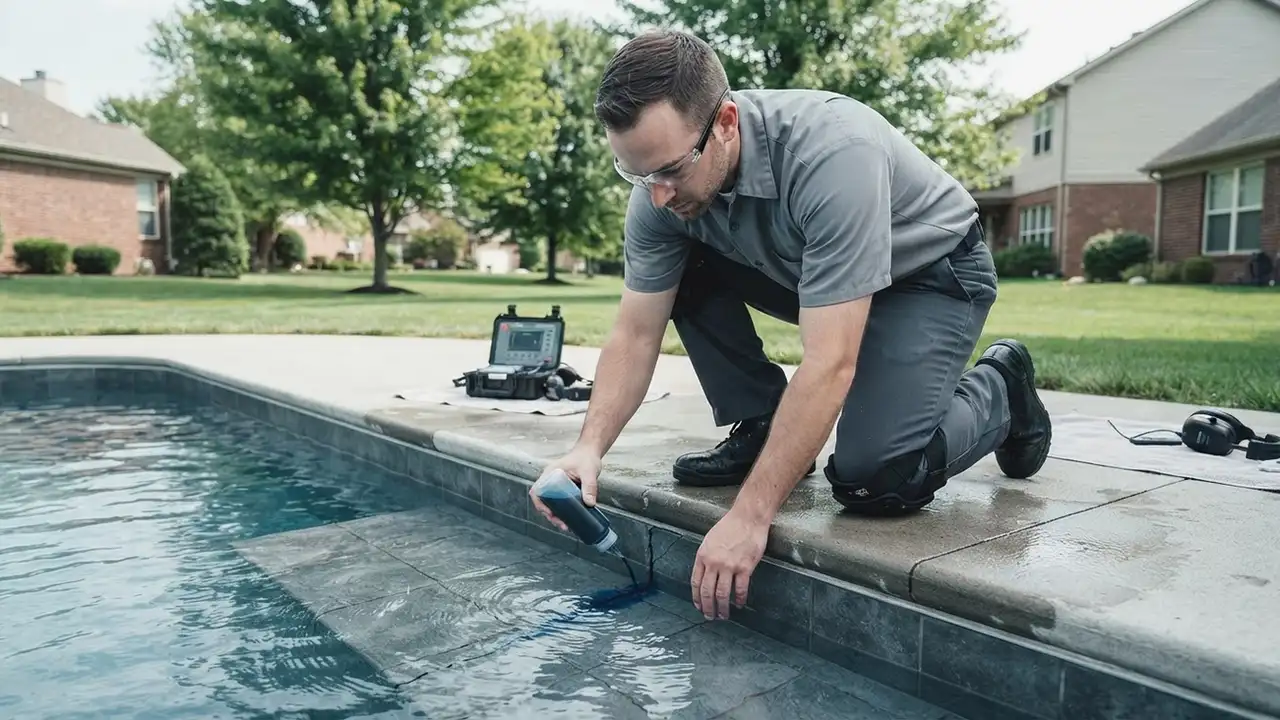
We ask three questions: Is the water bill up? Is there a soggy spot? Does the zone lose pressure? Your answers tell us whether to bring the acoustic microphone or start with a pressure test. Most calls are scheduled within 24 hours.
We connect a pressure testing gauge to the manifold and run each zone separately. A zone that won't hold 40 PSI has a break. We log the readings so you can see exactly which line is failing and how bad the loss is.
With the zone pressurized, we walk the run using an acoustic leak detection microphone. The hiss gets louder as we close in. For deep lines or noisy soil, we inject a tracer gas leak detector and follow the plume. This pinpoints the break within inches.
We hand-dig a small access hole, cut out the damaged section, and splice in new PVC pipe or PEX piping with proper fittings and Teflon tape. If the break is at a valve, we rebuild the manifold. Most repairs take two to four hours.
We repressurize the zone, check every head for even coverage, and confirm the meter stops moving with the system off. You get a walkthrough of what we fixed and how to spot the next problem early. Backfill and sod replacement happen the same visit.
Amplifies the sound of water escaping a pressurized line. We walk the run and listen for the loudest hiss, which pinpoints the break within inches.
Injects a harmless gas into the zone and follows the plume to the surface. Best for deep lines or noisy soil where acoustic alone won't isolate the leak.
Traces the path of buried irrigation lines so we know exactly where to dig. Prevents unnecessary trenching and protects other utilities.
Connects to the manifold and measures PSI loss per zone. Tells us which line is failing and how severe the break is before we excavate.
Detects temperature differences caused by underground water movement. Useful for finding leaks near slabs or in crawlspaces.
Picks up high-frequency sound from small leaks that the human ear can't hear. Complements the acoustic microphone on tricky jobs.
We run each zone independently with a pressure gauge attached. A zone that won't hold 40 PSI has a break. This method narrows the search to one line before we bring out the acoustic tools.
With the zone pressurized, we walk the line and listen through the microphone. The sound peaks directly over the break. We mark the spot and verify with a second pass before digging.
For deep or ambiguous leaks, we inject tracer gas and scan the surface with a detector. The gas escapes through the soil above the break, confirming the location. This is our backup when acoustic alone isn't conclusive.
We test the backflow assembly to Pitt County standards, checking check valves and relief ports. If it fails, we repair or replace it and file the certification paperwork with the county.
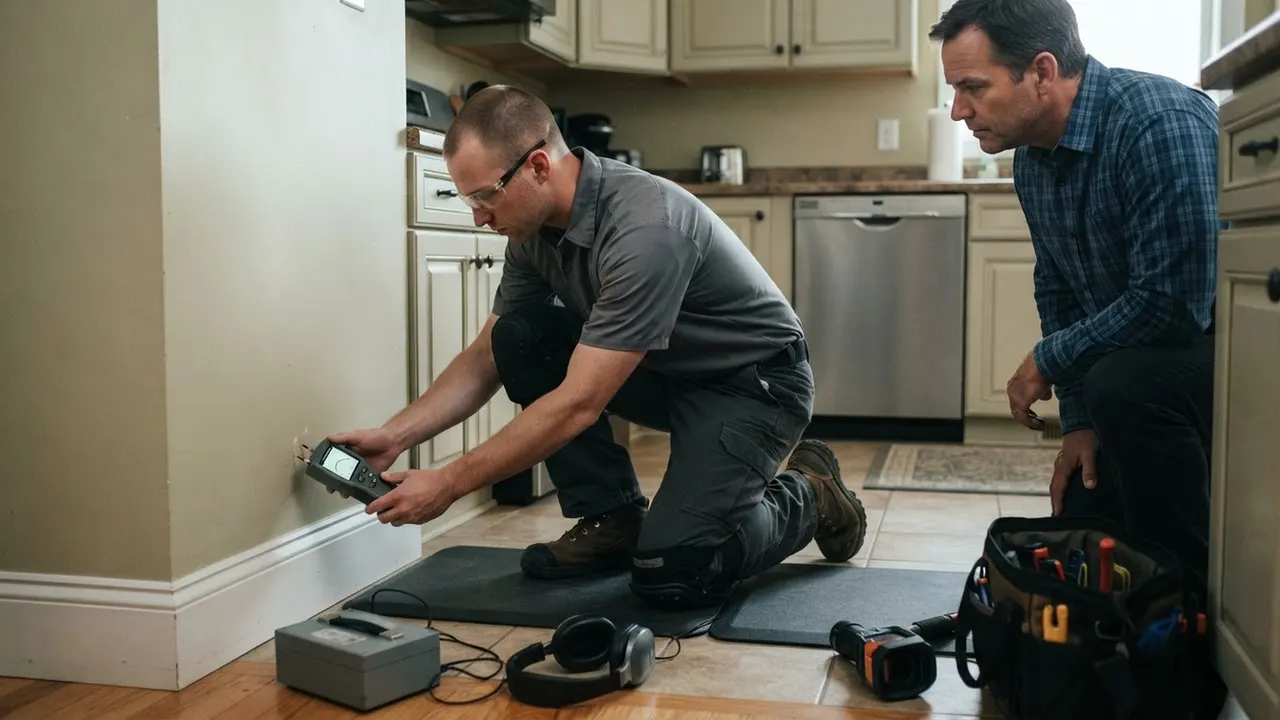
We pressure-test each zone and compare the meter reading with the system off. If the meter still moves, the leak is on the mainline. We locate it with an acoustic microphone and repair the break. Your bill drops back to normal within one billing cycle, and the lawn gets even coverage again.
We shut off the zone at the manifold, cut out the broken riser, and install a new head with a proper swing joint. We check the surrounding heads for damage and test the zone before we leave. The geyser stops, the zone runs at full pressure, and you avoid a $200 water bill from one afternoon of flooding.
We run a full diagnostic on every zone, test the backflow assembly, and check the manifold. You get a written report with photos and a repair quote if anything fails. You know exactly what you're buying and can negotiate the repair cost into the sale.
We locate the burst section with a pipe locator, cut out the damaged pipe, and splice in new PVC or PEX. We test the zone and check the backflow assembly for freeze damage. The system is back online before spring planting, and you avoid replacing the whole mainline.
Greenville sits in Pitt County, where the soil swings from sandy loam near the Tar River to dense clay in newer subdivisions. Clay holds water against the pipe, which accelerates corrosion at fittings and makes leaks harder to hear. We adjust our acoustic equipment for that soil density. Summer irrigation season runs May through September, and that's when most breaks surface. Winter freezes crack backflow assemblies and exposed risers, so we see a second spike in January and February. Our techs know the common layouts in neighborhoods off Fire Tower Road and Greenville Boulevard, and we carry the PVC pipe, CPVC pipe, and PEX piping to match whatever your system uses. If you need irrigation leak detection and repair in Greenville NC, we're set up for same-day diagnostics. We also serve Winterville, Ayden, Farmville, Washington, and Kinston.
Many systems here were installed in the 1990s with PVC laterals that are now brittle. We see frequent breaks at the manifold and first head.
Commercial properties and apartment complexes with multi-zone systems. We map every zone before testing so we don't miss a hidden lateral.
Newer subdivisions with PEX piping and smart controllers. Leaks here are often at fittings rather than mid-line breaks.
Larger lots with longer irrigation runs. Pressure loss is common at the far end of the zone, so we test the last head first.
Clay keeps the leak from draining away, so the ground stays saturated and the break corrodes faster. We use acoustic tools tuned for dense soil and dig carefully to avoid collapsing the trench.
Constant pressurization finds every weak fitting. Most breaks surface in July and August when the system runs every other day. We stock extra PVC and PEX fittings during those months.
A hard freeze can split the backflow preventer or an exposed riser. We see a spike in calls in January and February. We carry replacement assemblies and test them after repair.
Annual testing is required on irrigation systems. We hold backflow prevention certification and can test, repair, and file the paperwork in one visit.
A Winterville homeowner noticed a $70 jump in the water bill and a soggy patch under the flower bed. The zone lost 15 PSI at the last head. The landscaper had already dug two dry holes looking for the break.
We pressure-tested the zone, found the 12-inch crack with an acoustic microphone, and spliced in new PVC pipe. The repair took three hours. The next water bill dropped back to the previous average, and the flower bed dried out within two days.
Maintenance: We recommended running each zone for two minutes monthly and watching for weak heads. Early detection prevents another $70 spike.
A 24-unit complex off Greenville Boulevard failed its annual backflow test. Two zones were losing pressure, and the property manager was facing a compliance notice from Pitt County. The landscaper couldn't isolate the problem.
We tested every zone, found two breaks in the mainline, and replaced the failed check valves in the backflow assembly. The system passed certification the same day. Total repair time was six hours across two visits.
Maintenance: We set the property on an annual backflow testing schedule and tagged the manifold for easy zone identification.
A January freeze split an exposed riser in Ayden. The homeowner didn't notice until the system ran in March and water geysered from the valve box. The zone wouldn't hold any pressure.
We cut out the split riser, installed a new swing joint and head, and pressure-tested the zone. The repair took two hours. The system ran at full pressure for the rest of the season with no further issues.
Maintenance: We showed the homeowner how to winterize the backflow assembly and blow out the zones before the first freeze each fall.
A leaking sprinkler system doesn't fix itself. Here are the calls we run most often in Pitt County and how we handle them.
You're paying for water that's soaking into the subsoil, not your lawn. The meter keeps spinning and the bill climbs every cycle until the break is found. We run a full-zone pressure test and compare meter readings with the system off. A pipe locator traces the run and an acoustic microphone finds the hiss. Most hidden breaks are found within two hours.
Standing water kills turf, breeds fungus, and can undermine a foundation if the break is near the slab. The longer it sits, the more expensive the fix. We isolate the zone feeding that area, locate the break, and repair the line. After backfill, we re-sod the patch. Most repairs take two to four hours and the area is walkable the next day.
Uneven coverage stresses the lawn and wastes water on the zones that do work. You end up running the system longer, which raises the bill further. A pressure testing gauge tells us exactly how much the zone is losing. We check the valve first, then trace the lateral. A cracked fitting or a partially blocked nozzle is usually the culprit. We repair or replace it.
Pitt County requires annual backflow testing. A failed assembly can shut down your irrigation system and trigger a compliance notice. Our techs hold backflow prevention certification. We test the assembly, repair or replace failed check valves, and file the certification. Most repairs are done in one visit.
Greenville Leak Detection Pros has been locating and repairing irrigation leaks since 2015. Our techs hold state-licensed plumbing contractor credentials and backflow prevention certification, and we carry OSHA safety certification for excavation work. We've logged thousands of sprinkler repairs across Pitt County, from Winterville subdivisions to commercial properties off Greenville Boulevard. We use RIDGID pipe locators, Fluke thermal imaging cameras, and Sewerin acoustic equipment because guessing costs you money.
Most residential diagnostics run $150 to $275, and the repair is quoted separately once we locate the break. That fee covers the pressure test, acoustic location, and a written repair price. If you approve the fix, we credit $75 of the diagnostic toward the repair. Commercial systems with more than eight zones are priced per zone.
Start by running each zone and watching the water meter. If the meter spins with the system off, you have a mainline leak. If one zone sprays weak or leaves a soggy patch, the break is on that lateral. We use an acoustic leak detection microphone and tracer gas to pinpoint it without digging up the whole yard.
Yes. Most breaks are isolated to a single fitting or a 12-inch section of pipe. We cut out the damaged piece, splice in new PVC or PEX, and pressure-test the zone. A full system replacement only makes sense when the pipe is brittle throughout or the manifold is cracked beyond repair. That's rare.
Pressure loss almost always means water is escaping somewhere. Common causes are a cracked lateral line, a failed valve diaphragm, or a partially closed backflow assembly. We pressure-test each zone to isolate the drop, then use a pipe locator to trace the run. Most pressure problems trace back to a single break.
Not seeing your question? Our local team can help you understand urgency, scheduling and what to expect.
Ask the local team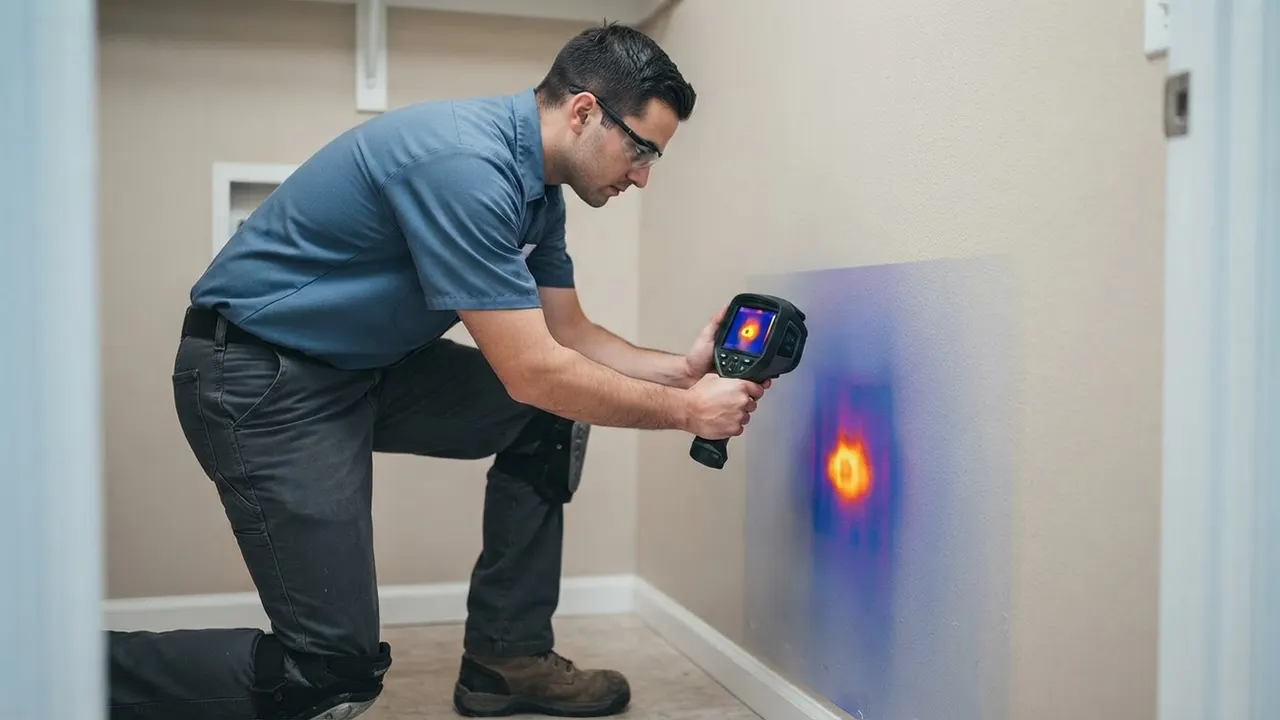
The mainline feeding your irrigation system is the same pipe that supplies your house. When we find a pressure drop at the manifold, we often trace it back to the water service line. We locate and repair both.
View service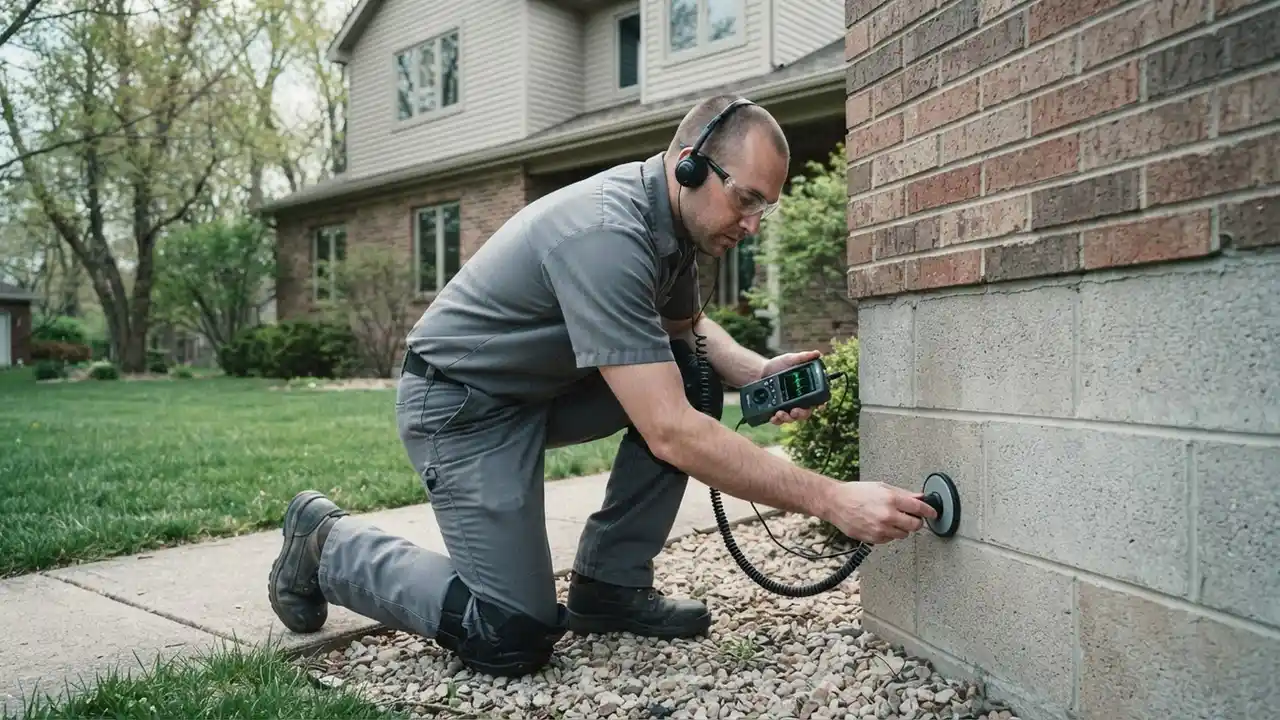
A sprinkler break can add $40 to $90 per cycle to your bill. If your usage spikes and the lawn looks fine, we run a full-property leak survey. We check the irrigation main, hose bibs, and interior fixtures in one visit.
View service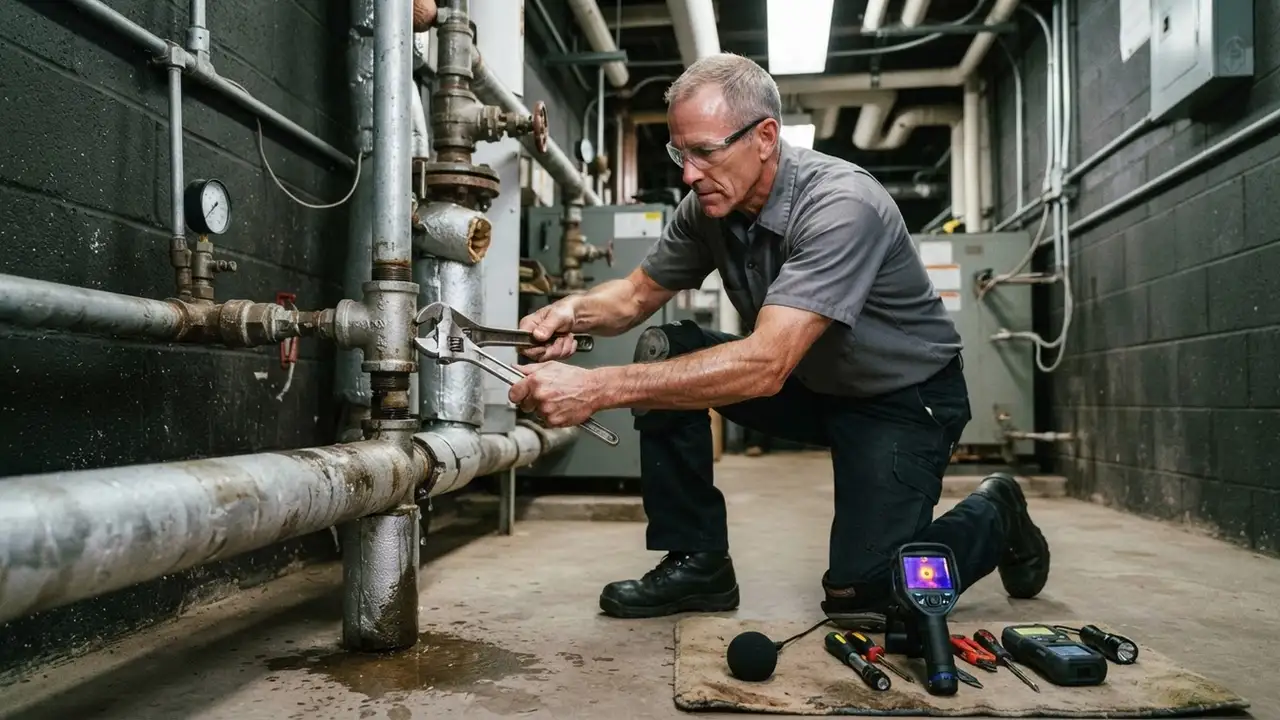
Irrigation lines run under the same slab as your supply plumbing. When we pressure-test a zone and the drop doesn't match the yard, we check for a slab leak. Thermal imaging and acoustic tools tell us which side of the slab the water is on.
View service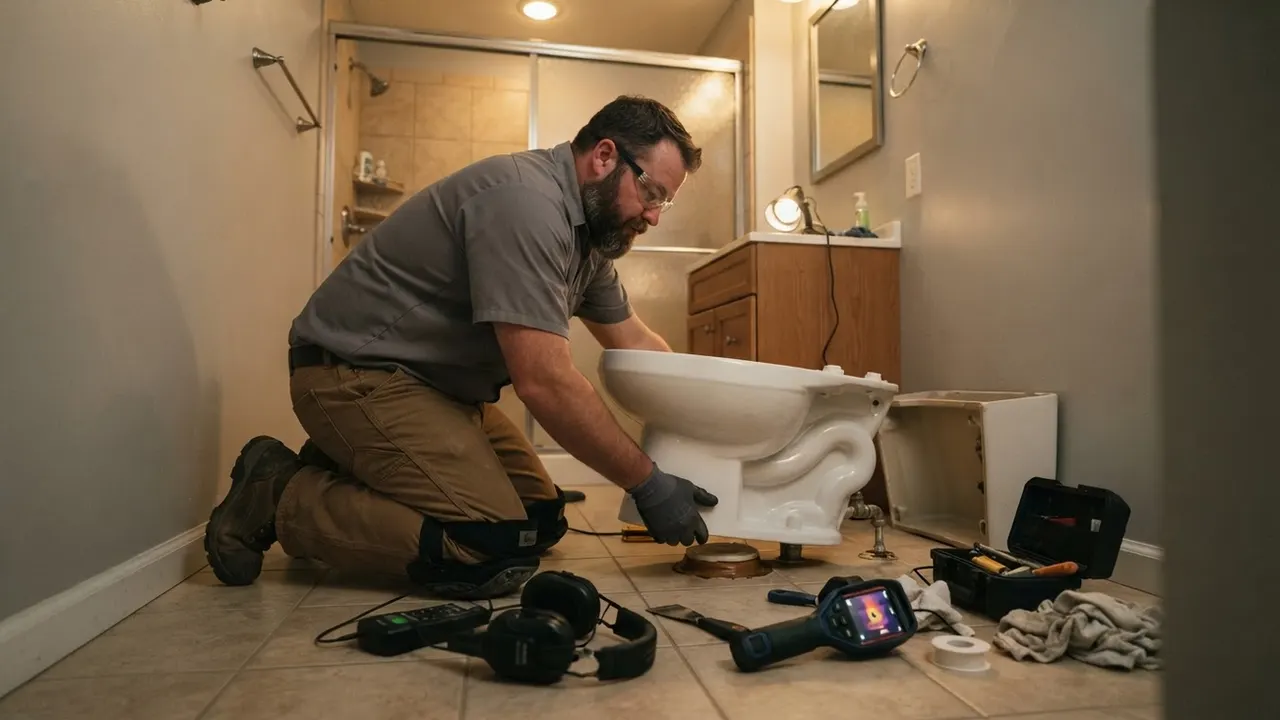
Apartment complexes, HOAs, and commercial properties in Greenville run multi-zone irrigation systems. We map every zone, test the backflow assembly, and repair breaks without shutting down the whole system. Most commercial jobs finish in one day.
View service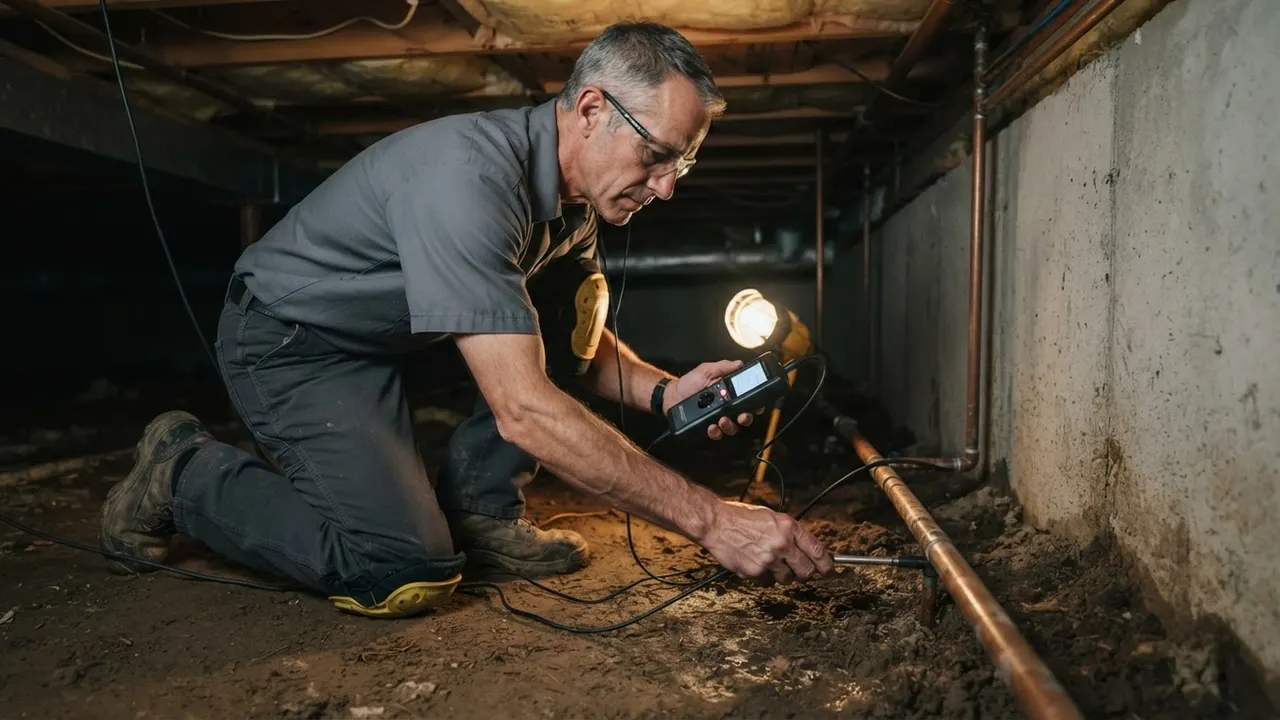
Call +923139383014 and tell us what you are seeing. Our office is open 8 a.m. to 6 p.m. Monday through Friday, and our emergency line runs 24/7 for burst pipes and active flooding. Most Greenville calls get a technician within 60 to 90 minutes. You can also email info@greenvilleleakdetectionpros.com with photos of the leak.