Focused arrival windows
Useful updates and clear arrival timing.
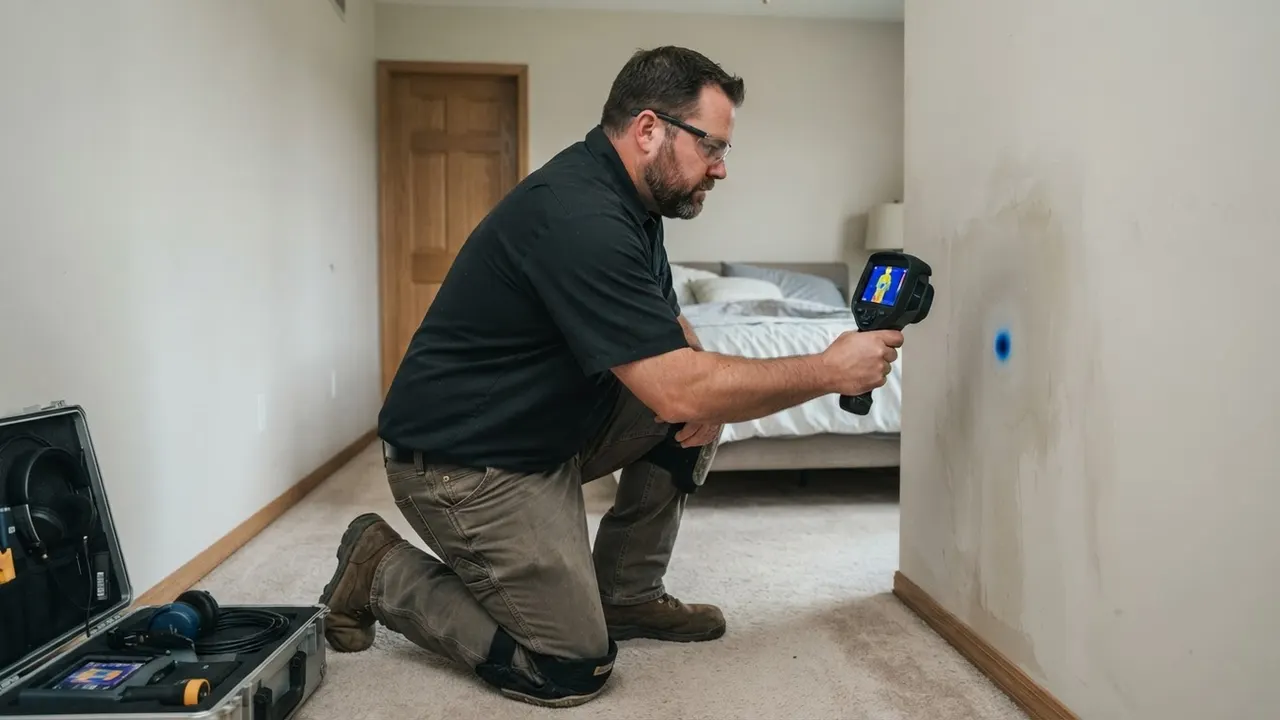
Pool & Spa Leak Detection in Greenville is what we do every day. If your pool is losing an inch or more of water a day, or your spa won't hold heat, you have a leak. We use acoustic listening gear, pressure testing, and dye testing to find it fast. We serve Pitt County and all of Greenville, NC.
Useful updates and clear arrival timing.
Review the approach and price before deciding.
Equipped vehicles and respectful cleanup.
Neighbors serving neighbors with follow-through.
Every pool and spa leak call includes a full diagnostic and a written summary of what we found. Repairs are quoted separately so you can decide. Here's what's covered.
We isolate and pressurize every pool and spa line: returns, suction, main drain, spa jets, and heater loop. Each line is tested at 20 PSI for 30 minutes. A line that drops pressure has a leak, and we mark it.
With the line pressurized, we use an acoustic leak detection microphone to hear the water escaping underground. We mark the exact spot on the deck with paint. This step avoids exploratory digging and saves you hundreds in concrete work.
A thermal imaging camera shows temperature differences where water is moving under the surface. We scan the deck, equipment pad, and surrounding soil. This confirms the acoustic finding and catches secondary leaks nearby.
We use leak detection dye around skimmers, light niches, return fittings, and spa jets. Dye gets pulled into a leak and shows us the exact entry point. This is the fastest way to find shell and fitting leaks.
You get a one-page summary with pressure test results, photos of the marked leak, and a repair quote. No vague verbal estimates. You see exactly what we found and what it takes to fix it.
If you approve the repair, we cut, replace, and seal the failed section with schedule 40 PVC and RectorSeal. The line is pressure-tested again before we backfill. You watch the gauge hold 20 PSI before we pack up.
Share what is happening and receive a clear next step from the local team.
Pool & Spa Leak Detection in Greenville is a diagnostic service that pinpoints where water is escaping from your pool shell, plumbing lines, spa jets, or equipment pad. We start with a visual inspection of the pool and spa, then pressurize each line with a pressure testing gauge. An acoustic leak detection microphone lets us hear the leak underground. A thermal imaging camera shows temperature differences where water is moving. We also use leak detection dye around fittings, skimmers, and light niches.
Greenville summers push pool equipment hard, and our clay-heavy soil shifts with every wet winter. That combination cracks PVC pipe and loosens fittings. If your water bill jumped $80 or more this month, or you're adding water every other day, call us. We handle spa leak repair Greenville NC homeowners trust, plus pool leak detection and repair in Greenville NC for both in-ground and above-ground pools.
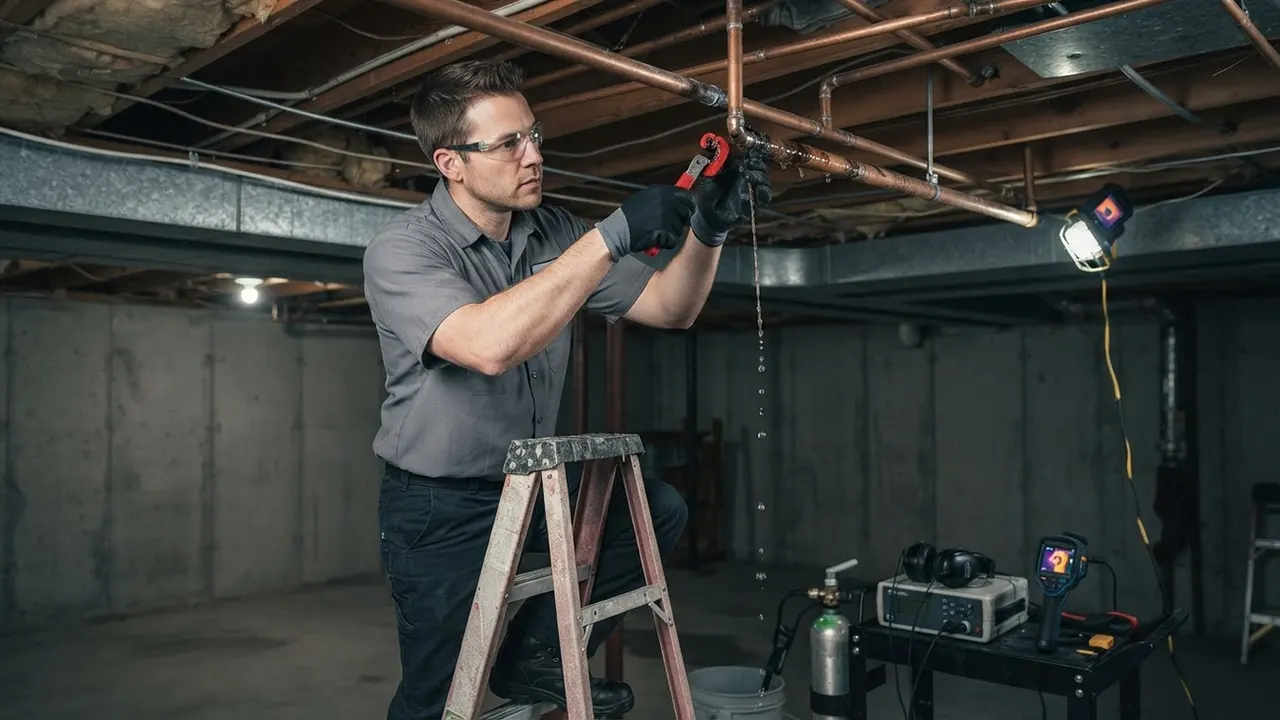
You call and describe the symptoms: water loss, high bill, soggy spot, or spa that won't hold heat. We ask about your pool type, pump run time, and recent weather. Takes about 10 minutes. We book a same-day or next-morning window.
Our tech walks the pool, spa, and equipment pad. We check the pump, filter, heater, and visible plumbing for drips. A moisture meter scans the deck and surrounding soil. This step takes 20 to 30 minutes and often narrows the leak to one zone.
We isolate each plumbing line and pressurize it with a pressure testing gauge. A line that won't hold pressure has a break. We test return lines, suction lines, spa jets, and the main drain separately. This is the step that separates real leak detection from guesswork.
With the line pressurized, we use an acoustic leak detection microphone to hear the hiss of escaping water. A thermal imaging camera confirms the spot by showing temperature differences. We mark the exact location on the deck with paint. No exploratory digging.
We cut and remove the failed section, install new PVC pipe and fittings, and seal with RectorSeal. The repair is pressure-tested again at 20 PSI for 30 minutes. We backfill, clean up, and show you the test results before we leave.
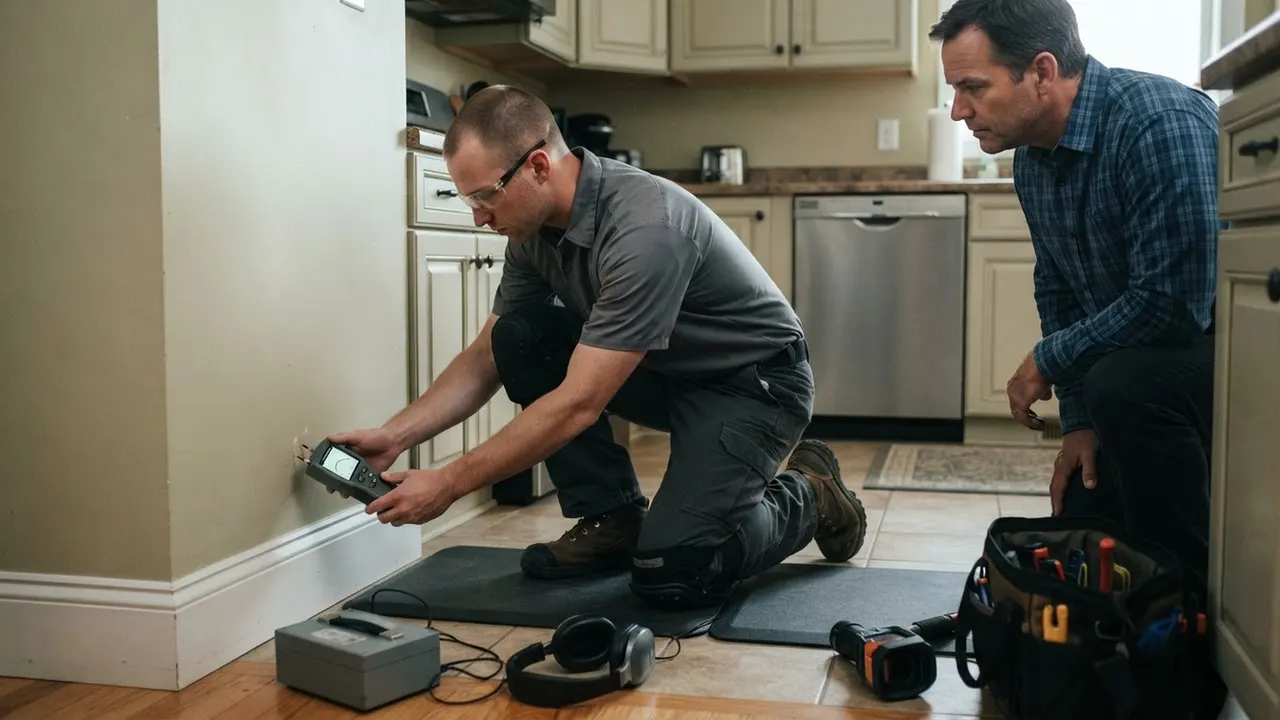
Listens for the high-frequency hiss of water escaping a pressurized line underground. We use it to pinpoint the leak within a few inches before digging.
Shows temperature differences where water is moving under the deck or soil. Confirms the acoustic finding and catches secondary leaks nearby.
Pressurizes each pool and spa line to 20 PSI for 30 minutes. A dropping gauge means a leak. This is the core diagnostic step on every call.
Slides inside underground lines to show cracks, root intrusion, and joint failures on a screen. We use it when the leak is deep or the line is old.
Maps the path of buried pool and spa lines so we know exactly where to dig. Prevents unnecessary trenching across your deck or yard.
Reads moisture levels in decking, soil, and walls. Confirms whether a wet spot is from the pool or from a separate water line leak.
Injects a safe tracer gas into the line and sniffs for it at the surface. Used on stubborn leaks where acoustic and thermal methods disagree.
We plug every line except one, then pressurize it. If the gauge drops, that line has the leak. We repeat for returns, suction, main drain, spa jets, and heater loop. This method finds the leak zone in under an hour.
With the line pressurized, we walk the surface with a microphone and listen for the loudest leak sound. We mark the peak, then confirm with thermal imaging. Two independent methods agreeing means we dig once.
We release leak detection dye near skimmers, light niches, return fittings, and spa jets. If the dye gets pulled into a crack, we've found the entry point. Fast, cheap, and reliable for shell and fitting leaks.
We repair with schedule 40 PVC pipe, proper pipe fittings, and RectorSeal pipe sealant. Joints are primed and glued per North Carolina plumbing code. Every repair is pressure-tested at 20 PSI for 30 minutes before backfill.
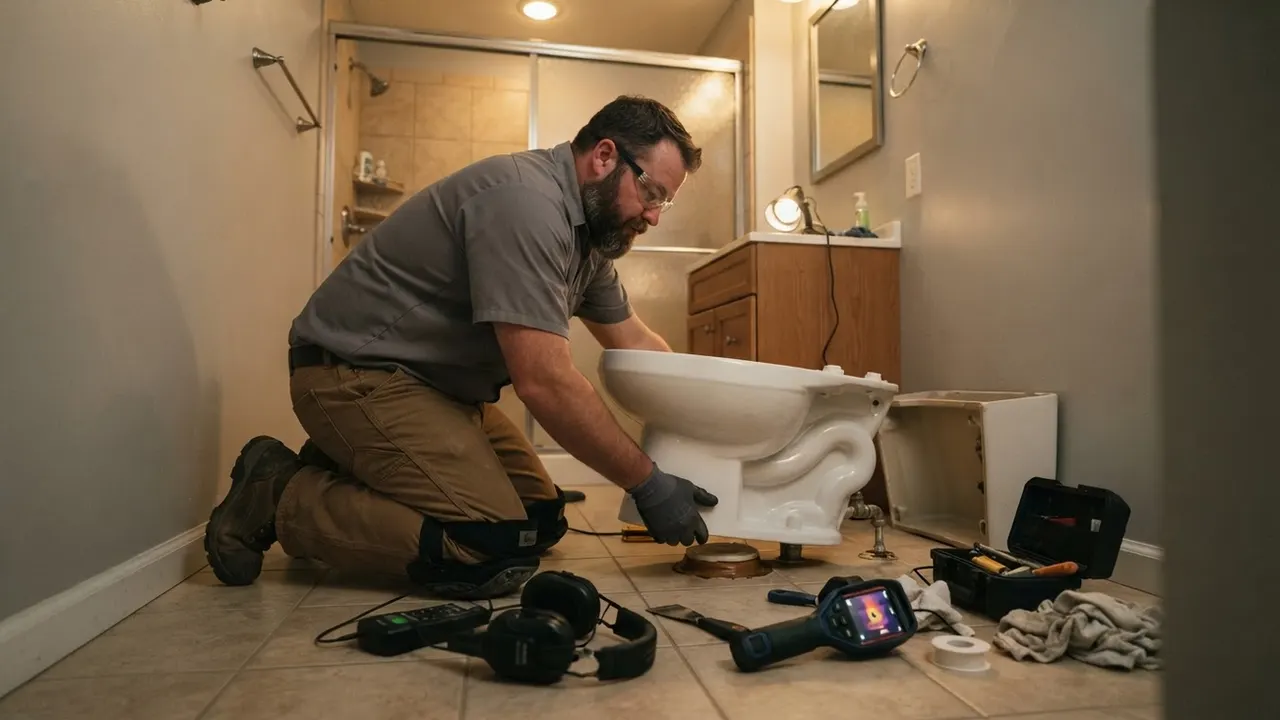
We run a full pressure test on all pool lines and use acoustic listening to find the break. A moisture meter checks the deck and soil around the pool for saturation. We mark the leak and quote the repair. Most customers stop adding water within 24 hours of the repair. The next water bill drops back to normal, usually saving $60 to $120 a month.
We isolate the spa loop and pressure-test the jet manifold, heater unions, and air lines. A leaking jet body or union is the usual culprit. We repair with new fittings and Teflon tape, then retest. The spa holds temperature again and the pump cycles normally. Power bill drops back within one billing cycle.
We use a pipe locator to map the underground line, then an acoustic microphone to hear the leak. A thermal camera confirms the spot. We dig one small hole, repair the PVC, and pressure-test before backfilling. The yard dries out within a few days. Grass grows back over the repair area in a few weeks.
We run a pre-purchase leak inspection: pressure test every line, dye test the fittings, and scan the equipment pad. You get a written report with photos and any repair quotes. You know exactly what you're buying. If there's a leak, you have documented proof to negotiate the repair cost.
Greenville sits on clay-heavy soil that expands when wet and shrinks when dry. That movement cracks PVC pipe and pulls fittings loose, especially on pools built before 2010. Summer heat pushes pump run times up, and the extra pressure finds the weak spot. We see most pool leaks between June and September, but cold snaps in January and February burst exposed lines on equipment pads. Our techs carry PEX piping, copper pipe, PVC pipe, and CPVC pipe on every truck so we can repair whatever we find. If you need spa leak repair near me Greenville, we're usually there the same day. We also handle 24/7 pool leak repair Greenville NC for emergencies like a burst line draining your pool overnight. Every repair is code-correct under North Carolina plumbing code and pressure-tested before we leave.
Older pools near the Tar River often have original PVC lines that have shifted with riverbank soil. We see more joint failures here than anywhere else in Greenville.
Rental properties near ECU have pools that run year-round with little maintenance. We find more neglected equipment pad leaks and cracked heater unions in this area.
Newer construction in Winterville means newer pool plumbing, but we still find installation errors: unprimed joints, undersized pipe, and missing pressure tests at build time.
Ayden has a mix of above-ground and in-ground pools. Above-ground pools are prone to liner leaks and fitting cracks that look like plumbing leaks until we pressure-test.
Farmville properties often have irrigation lines running near pool plumbing. We test both systems to make sure the leak is where we think it is before digging.
Shifts underground pool lines and cracks PVC joints. Most Greenville pool leaks we find are at pipe joints, not in the middle of a straight run.
Pushes 12 to 16 hours of daily pump operation, which stresses fittings and finds weak spots. Leak calls spike from June through September.
Bursts exposed PVC and copper pipe at the pump, filter, and heater. We answer emergency calls during cold snaps and repair the same day.
Saturated soil hides underground leaks and makes them harder to detect. We use tracer gas and thermal imaging when acoustic signals are muffled.
A Winterville homeowner was adding two inches of water to the pool every day. The water bill had climbed $110 over two months. A soggy spot had formed at the edge of the concrete deck, and the pump was losing prime.
We pressure-tested the return lines and found a cracked joint 14 inches under the deck. One small excavation, a new PVC fitting, and a 30-minute pressure test later, the line held 20 PSI. The pool stopped losing water that day.
Maintenance: Keep pump run time steady and check the equipment pad monthly for drips. Mark the repair spot so future work avoids it.
A Greenville spa owner was running the pump 24/7 because the spa wouldn't hold heat. The power bill was up $70 a month. Two other companies had quoted a full spa replacement.
We isolated the spa loop and pressure-tested the jet manifold. One jet body had a hairline crack. We replaced the fitting, resealed it with RectorSeal, and retested. Total repair time was two hours and the spa held temperature overnight.
Maintenance: Check spa jets monthly for moisture and tighten unions by hand each season. Keep the water chemistry balanced to protect fittings.
An Ayden property manager had a soggy patch in the yard between the pool and the pump. The pool was losing water and the pump was pulling air. The yard had been wet for three weeks and grass was dying.
We used a pipe locator to map the suction line, then an acoustic microphone to find the break. One small dig exposed a split PVC pipe. We replaced the section, pressure-tested at 20 PSI, and backfilled. The yard dried out in four days.
Maintenance: Watch for new soggy spots after heavy rain. Keep the pump basket clean so the line doesn't run dry and stress the pipe.
Most pool and spa leaks fall into a few patterns. We've seen them all in 11 years of Pitt County work.
At 500 gallons a week, you're paying for water you never use. The escaping water erodes soil under the deck and can cause a sinkhole near the pool edge within a season. We pressure-test each line to find the break, then use an acoustic microphone to mark the spot. Most underground line leaks are repaired with one small excavation and new PVC pipe. The line is retested at 20 PSI before we backfill.
A leaking spa jet or heater union makes the pump run nonstop, which burns electricity and wears out the motor. You'll see a $40 to $80 monthly jump in power costs before the leak gets worse. We isolate the spa plumbing from the pool and pressure-test the jet manifold and heater loop. Leaking jet bodies are resealed or replaced. Most spa leak repair Greenville NC jobs are done in two to three hours.
A wet patch that never dries means an underground line is leaking. Left alone, it saturates the soil, kills grass, and can undermine a deck footing or fence post within months. We use a pipe locator and moisture meter to trace the line and confirm the leak. A thermal imaging camera narrows the spot to within a few inches. One small dig, one repair, and the yard dries out.
A hidden pool or spa leak can waste 10,000 gallons a month. That's real money, and it's often mistaken for an irrigation problem or a billing error while the damage continues. We test the pool, spa, irrigation, and main water line one at a time to find the culprit. If the pool is clear, we move to the next system. Most high-bill calls are solved in a single visit.
Greenville Leak Detection Pros has been in business since 2015. We've completed thousands of leak calls across Pitt County, from pool and spa lines to slab leaks and irrigation breaks. Our techs hold state-licensed plumbing contractor credentials and backflow prevention certification. We train on Sewerin and Gutermann acoustic equipment, Fluke thermal cameras, and RIDGID inspection tools. Every repair is code-correct under North Carolina plumbing code.
Most pool leak detection calls in Greenville run $250 to $450 for the diagnostic, and repairs add $150 to $600 depending on access and pipe length. The detection fee covers pressure testing, acoustic listening, and thermal imaging. If we find the leak in the first 30 minutes, the price stays at the low end.
If your pool loses more than one inch of water in 24 hours with the pump off, you have a leak. Other signs: a $60 to $120 jump in your water bill, soggy spots near the deck, or air bubbles in the return lines. Evaporation in Greenville summer is about a quarter inch per day, not an inch.
Yes. Most plumbing leaks, fitting leaks, and light niche leaks are repaired with the pool full. We dive or use long-handled tools to reach the break. Only shell cracks and some main drain repairs require draining. We tell you upfront which type you have.
We do. Greenville Leak Detection Pros handles spa leak repair Greenville NC homeowners need, including jet body leaks, heater unions, and PVC manifold breaks. We pressure-test the spa plumbing separately from the pool. Most spa leaks are fixed in two to three hours.
Not seeing your question? Our local team can help you understand urgency, scheduling and what to expect.
Ask the local team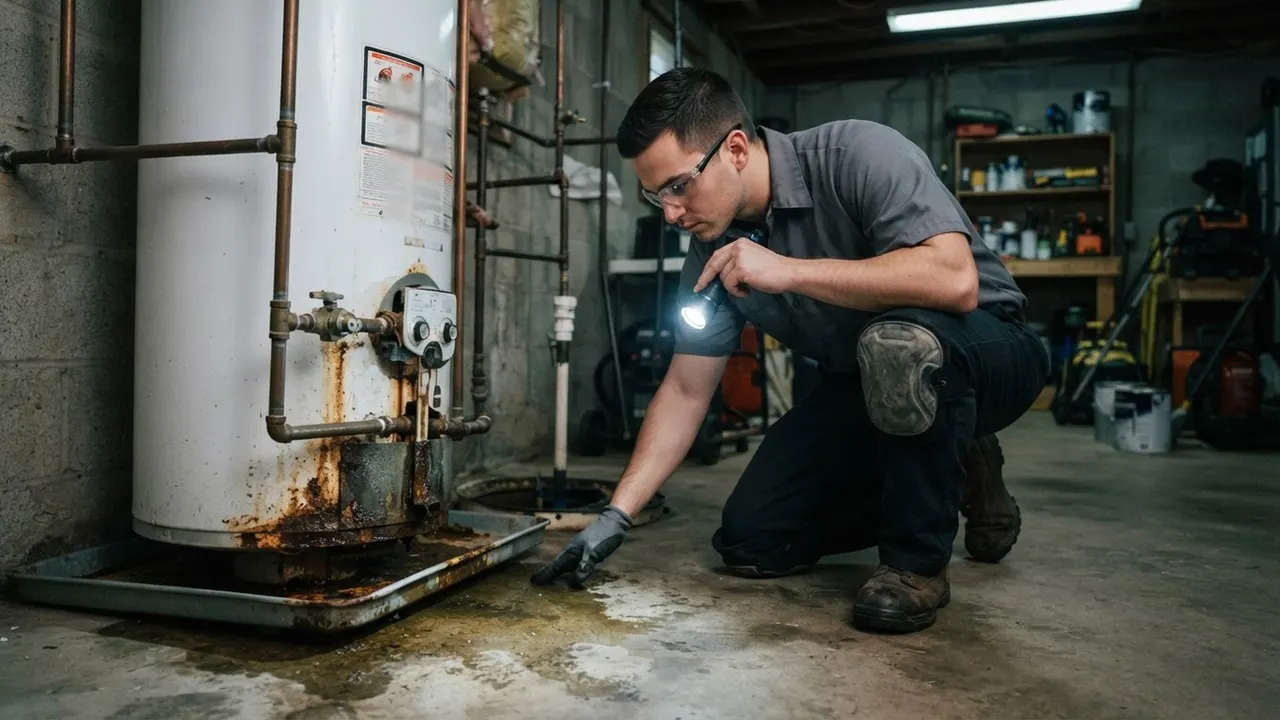
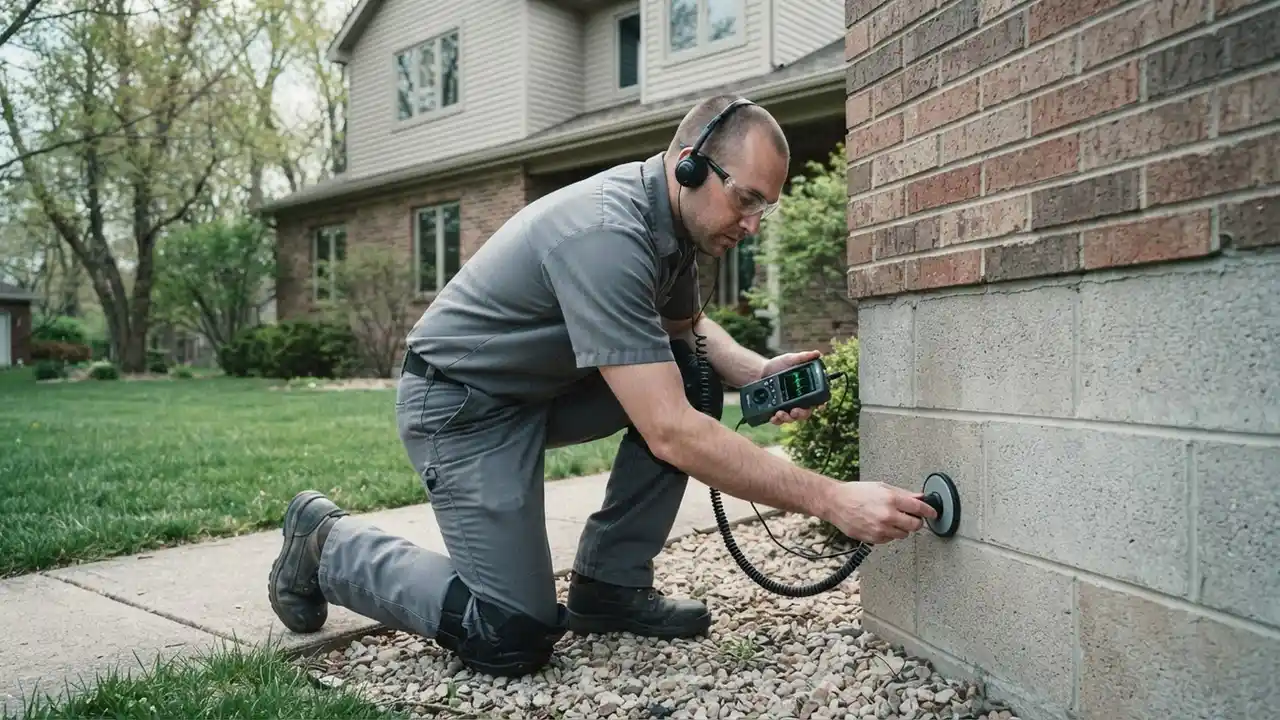
The same acoustic and pressure-testing gear we use on pools works on your main water line. If your water bill spikes and the pool isn't losing water, we check the line from the meter to the house.
View service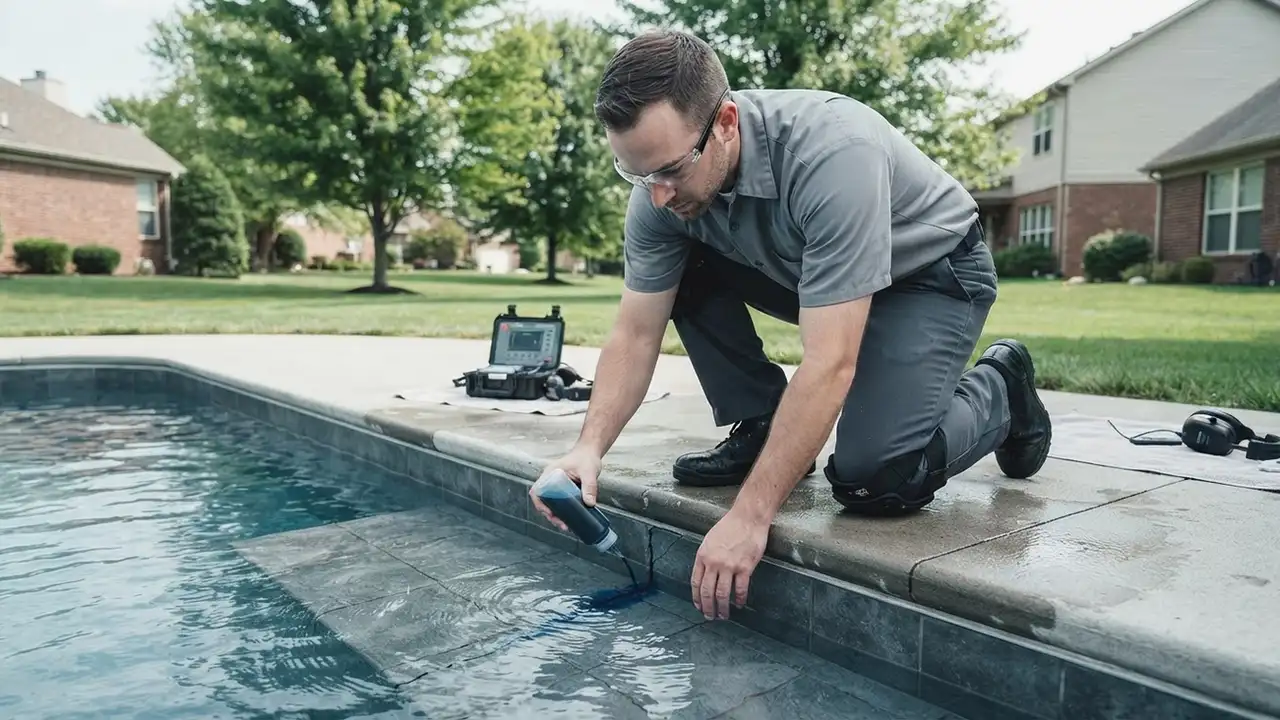
A pool leak and a hidden water line leak look the same on your bill. We isolate the pool, spa, irrigation, and main line one at a time to find which system is wasting water. Most Greenville calls are solved in one visit.
View service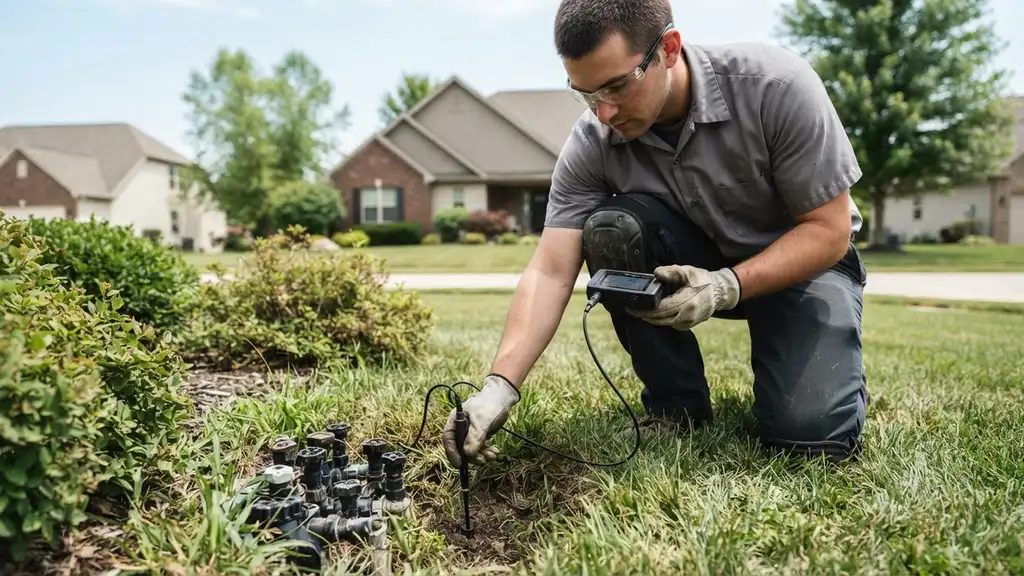
Pool plumbing often runs under the same deck as your home's slab lines. When we find a pool leak, we also check for slab leaks nearby. A thermal imaging camera scan takes 15 minutes and can catch a second problem.
View service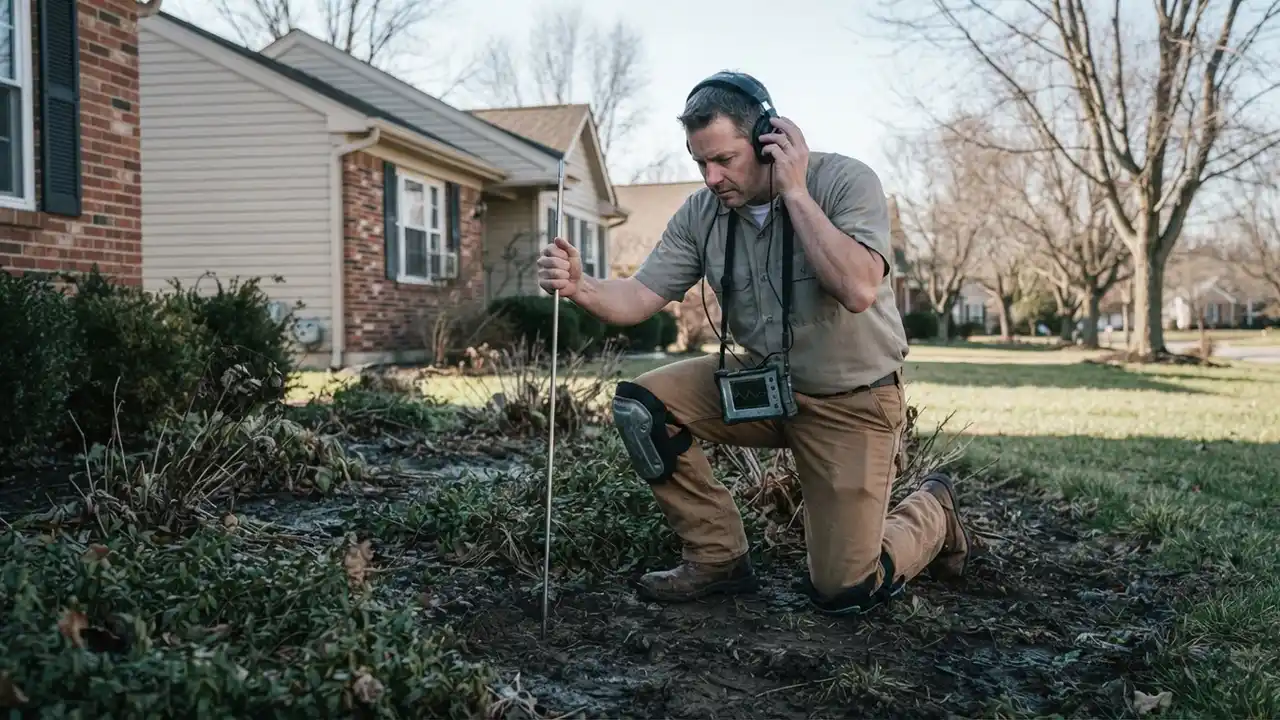
We handle pool and spa leaks at hotels, gyms, and apartment complexes across Greenville. Commercial pools lose more water and cost more per day. We schedule after-hours or early-morning detection to avoid closing the pool.
View service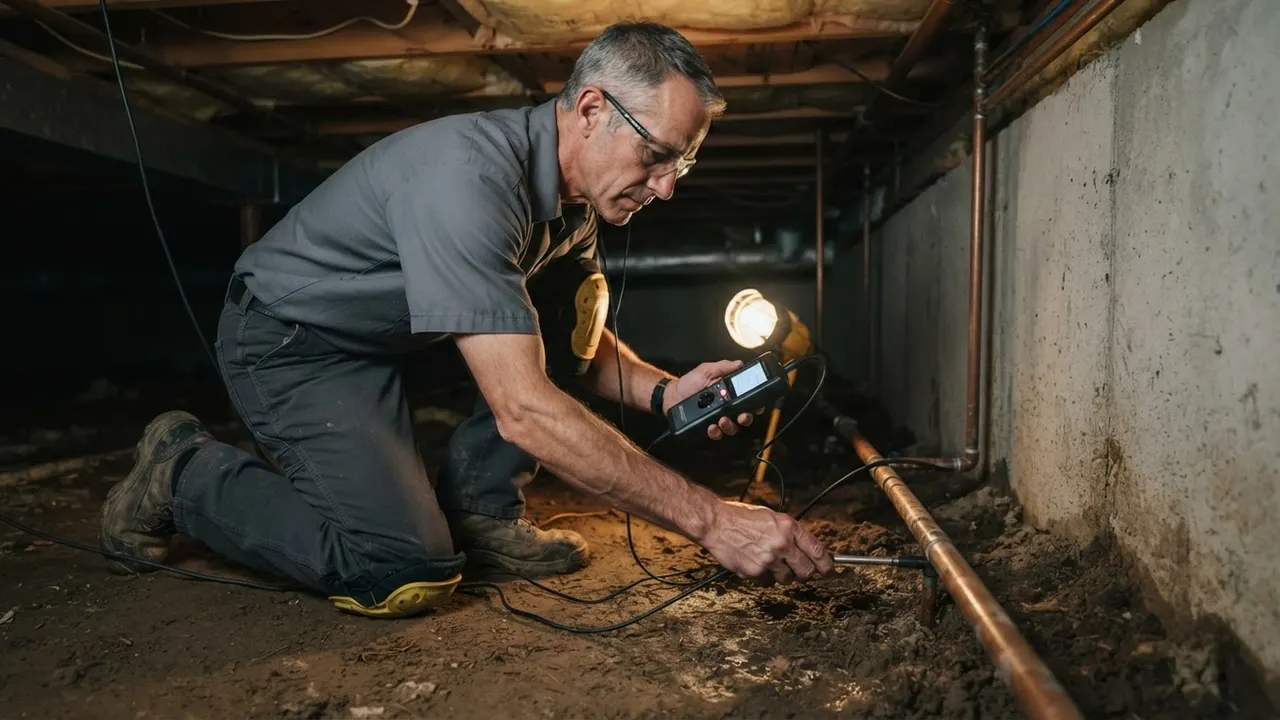
Call +923139383014 and tell us what you are seeing. Our office is open 8 a.m. to 6 p.m. Monday through Friday, and our emergency line runs 24/7 for burst pipes and active flooding. Most Greenville calls get a technician within 60 to 90 minutes. You can also email info@greenvilleleakdetectionpros.com with photos of the leak.