Focused arrival windows
Useful updates and clear arrival timing.
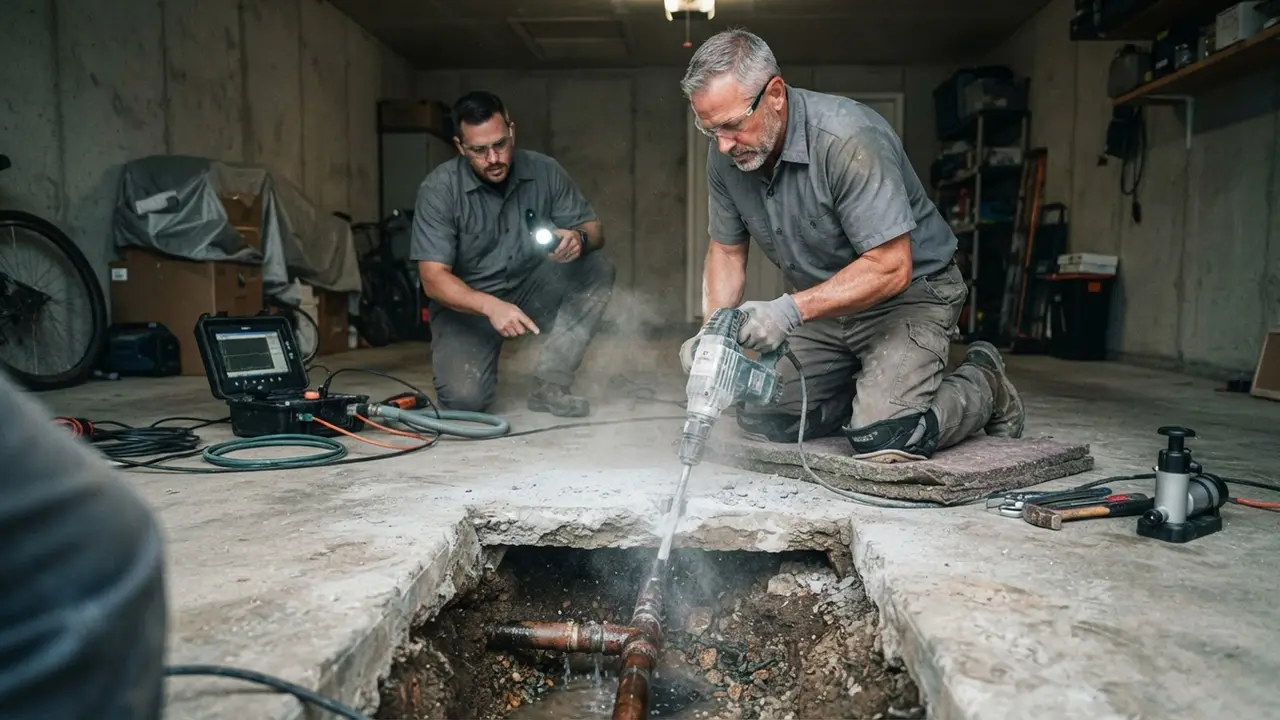
When water starts pooling behind your shower wall or your faucet drips all night, you need shower leak repair Greenville NC homeowners actually trust. We track the leak with acoustic and thermal gear, fix the valve or fitting, and pressure-test the line before we leave. One visit, no guesswork, no torn-out tile unless the damage demands it.
Useful updates and clear arrival timing.
Review the approach and price before deciding.
Equipped vehicles and respectful cleanup.
Neighbors serving neighbors with follow-through.
Every job starts with detection and ends with a pressure test. Here is what is included in a standard visit, and where we will flag something as a separate repair if we find it.
We run an acoustic leak detection microphone and thermal imaging camera across the fixture, wall, and floor to confirm the source. This is included in every visit and takes 20 to 40 minutes.
Cartridges, O-rings, valve seats, shower valves, and supply fittings are all covered. We carry common parts for major brands and use RectorSeal and Teflon tape on every threaded joint.
If the leak is in the copper, PEX, or CPVC feeding the fixture, we cut out the bad section and replace it with matching material. Soldered copper joints and crimped PEX rings are both standard.
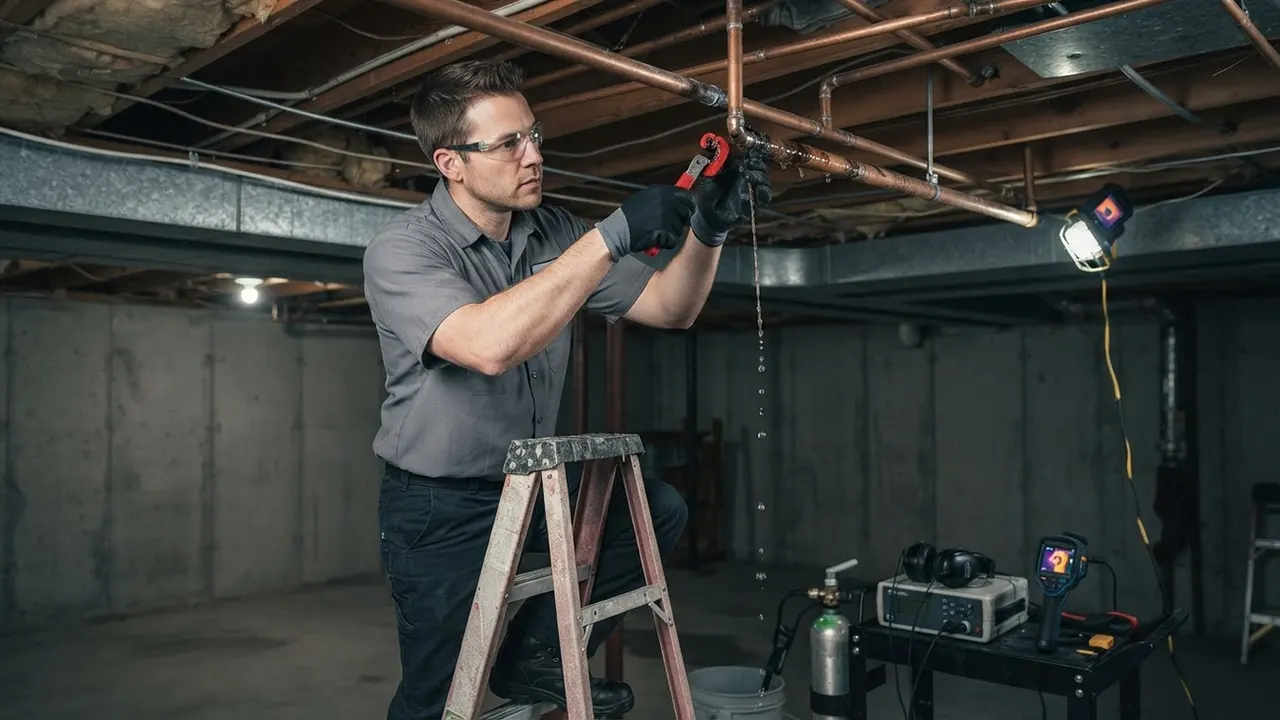
Before we close the wall, we pressurize the line to 80 psi and watch the gauge for 15 minutes. If it holds, the repair is done. If not, we keep working until it does.
We use a moisture meter to see how far the water traveled, dry the cavity, and treat any surface mold we find. This prevents a small leak from turning into a bigger mold problem.
Share what is happening and receive a clear next step from the local team.
Shower and faucet leak repair is the work of locating exactly where water escapes a fixture or the pipe feeding it, then sealing or replacing that component so the line holds pressure again. Most calls trace back to a failed cartridge, a cracked shower valve body, a loose supply fitting, or a worn O-ring behind the trim plate. We confirm the source with an acoustic leak detection microphone and a moisture meter before we open anything up, so you pay to fix the leak, not to explore for it.
Greenville homes take a beating from humid summers and the occasional hard freeze, and both push fixtures toward failure. In older houses around Pitt County, copper supply lines and original brass valves corrode from the inside; in newer builds, PEX piping and plastic cartridges crack at the crimp ring. If you have noticed a ceiling water stain under an upstairs bath or a high water bill that will not explain itself, that is usually a shower or faucet leak running behind the wall.
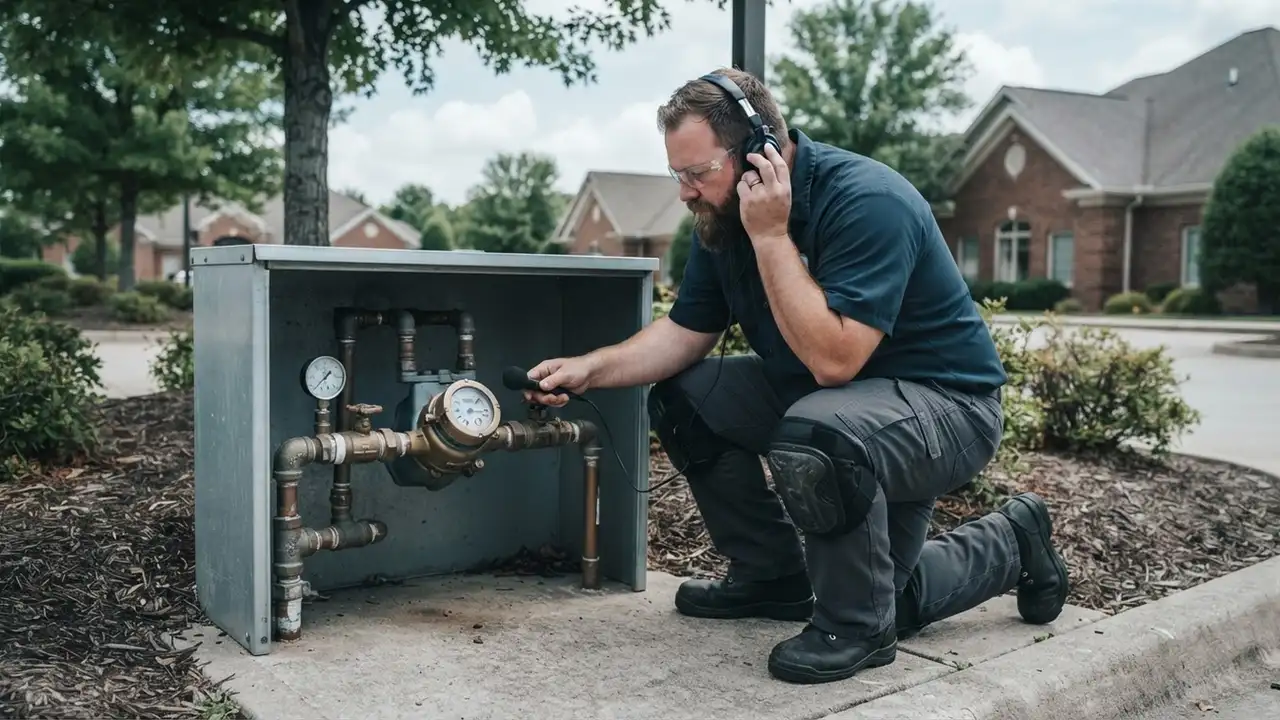
We ask what you are seeing: a drip at the spout, water on the floor after a shower, a stain on the ceiling below, or a jump in the water bill. That tells us whether to bring valve parts, a pipe locator, or both. Most calls get a same-day window.
Our tech walks the bathroom, checks the fixture, and runs an acoustic leak detection microphone along the wall and floor. A moisture meter confirms how far the water has traveled. This step takes 20 to 40 minutes and tells us exactly where to open up.
We shut off the supply, open the smallest access needed, and replace the failed cartridge, valve, or fitting. Copper gets soldered, PEX gets new crimp rings, and threaded joints get Teflon tape and sealant. Typical repair runs one to three hours.
Before we close anything, we pressurize the line and watch the gauge for 15 minutes. If it holds, we dry the cavity, treat any surface mold, and reinstall the trim. If it drops, we keep hunting until the leak is gone.
We show you what failed, what we replaced, and how to spot the early warning signs next time. You get a written workmanship warranty and our number for anything that comes up after we leave.
Listens for the sound of pressurized water escaping a pipe or valve behind a wall, narrowing the search to a few inches before we open anything.
Shows temperature differences caused by escaping water, which reveals leak paths through tile, drywall, and subfloor that the eye cannot see.
Measures how far water has traveled from the source so we know whether the damage is contained or has spread to framing and ceilings.
Pressurizes the repaired line to 80 psi and holds it for 15 minutes to confirm the leak is actually fixed before we close the wall.
Looks inside drain lines and supply runs when the leak path is unclear, especially in older Greenville homes with original copper.
Used on hard-to-find leaks where acoustic detection is inconclusive, such as lines running under a slab or through a crawlspace.
We shut off sections of the supply and watch the gauge to determine whether the leak is in the shower, the faucet, or the pipe feeding them. This is the fastest way to rule out the wrong fixture.
We never rely on one tool. Acoustic detection finds the sound, thermal imaging confirms the wet path, and a moisture meter measures the spread. Three signals agreeing means we open the right spot.
Copper gets soldered, PEX gets new crimp rings, CPVC gets solvent-welded, and threaded joints get Teflon tape and RectorSeal. We match the existing material so the repair does not create a new failure point.
Every repair ends with a 15-minute pressure hold at 80 psi. If the gauge moves, the job is not done. This single step catches the small leaks that turn into callbacks.
We treat this as an active leak until proven otherwise. Thermal imaging and a moisture meter tell us how far the water has traveled, then we open the smallest access needed and repair the shower valve or drain connection feeding the stain. The stain stops spreading, the cavity dries out, and you avoid a full ceiling replacement.
We isolate the bathroom supply, pressure-test the line, and use acoustic detection to find the loss. Shower valves and toilet fill valves are the usual suspects in Greenville homes. You get a confirmed leak location, a repair quote, and a bill that goes back to normal next cycle.
That is a worn cartridge or scored valve seat. We pull the handle, replace the cartridge, and check the seat for damage. If the seat is too far gone, we quote a faucet replacement instead of a repair. The drip stops, the handle moves smoothly, and you stop wasting 5 to 10 gallons a day.
We run a full detection scan, document what we find, repair the source, and provide a written summary you can hand to the buyer or their agent. The moisture issue is resolved before closing, and the inspection report gets a clean follow-up.
Greenville sits in Pitt County where summer humidity stays above 70 percent for months and winter still delivers the occasional hard freeze. That combination is hard on plumbing. Copper supply lines in older homes near the West Greenville historic district corrode from the inside, while PEX crimp rings in newer subdivisions off NC-43 can crack when temperatures swing. We see a spike in shower valve failures every January after the first freeze and another wave in July when humidity pushes fixtures to sweat and drip. Most Greenville homes have the master bath on the second floor, which means a shower leak travels down into the ceiling of the room below before anyone notices. If you are searching for 24/7 faucet leak repair Greenville NC, we keep an after-hours line open for active leaks. We also handle the older crawlspace plumbing common in Pitt County, where a slow drip can soak insulation for weeks before it shows up as a stain.
Historic homes with original copper supply lines and cast iron drains. Shower valve bodies here are often 40-plus years old and fail at the packing nut.
Rental properties with heavy fixture use. Cartridges wear out faster, and we get a lot of dripping faucet repair Greenville calls at semester turnover.
Newer construction with PEX piping. Leaks here usually trace to a failed crimp ring or a plastic shower cartridge rather than the pipe itself.
Mix of older ranch homes and new builds. We see slab leaks under bathroom floors and shower pan failures in equal measure.
Scales up cartridges and valve seats, shortening their life to 3 to 5 years instead of 10. We recommend annual fixture checks in homes with well water.
Pipes in exterior walls can freeze and split. We see a burst pipe spike in January, often behind a shower wall where insulation is thin.
Keeps wall cavities damp longer after a leak, which speeds mold growth. We dry cavities thoroughly and treat surface mold on every repair.
A homeowner in West Greenville noticed a brown stain spreading on the dining room ceiling. The shower had been leaking behind the wall for weeks, and the drywall was soft to the touch.
We located the failed valve body with thermal imaging, replaced it through a 6-inch access panel behind the shower, and pressure-tested the line at 80 psi. The stain stopped spreading within 24 hours.
Maintenance: Check the access panel every six months for moisture, and run the shower for a minute after long trips away to keep the valve exercising.
A Winterville homeowner was losing about 8 gallons a day to a dripping kitchen faucet. The handle had gotten stiff, and the drip had etched a stain into the sink basin.
We replaced the worn cartridge and inspected the valve seat, which was still in good shape. The repair took 90 minutes, and the drip stopped completely. The water bill dropped $35 the next cycle.
Maintenance: Wipe the faucet dry after use and avoid overtightening the handle, which is what scores the cartridge in the first place.
A Greenville home was under contract when the inspection flagged moisture near the master shower. The seller had no idea there was a leak and no visible damage.
Our acoustic scan found a slow drip at the shower valve connection. We repaired the fitting, dried the cavity, and provided a written summary for the buyer. The sale closed on schedule.
Maintenance: Have the shower valve inspected every two years, especially in homes older than 20 years with original fixtures.
Most of the shower and faucet problems we see in Greenville started small and were ignored for weeks. Here are the ones that show up on our schedule most often.
Water soaks the framing and drywall until a ceiling water stain appears below, and the repair bill triples once mold sets in. We locate the valve with acoustic gear, replace the failed cartridge or valve body through a small access panel, and pressure-test the line. Most repairs finish in two to three hours without touching your tile.
A steady drip wastes 5 to 10 gallons a day and wears out the valve seat, turning a $15 cartridge job into a full faucet replacement. We pull the cartridge, inspect the seat, and replace the failed part. We carry common cartridges on the truck, so dripping faucet repair Greenville calls are usually done the same day.
The subfloor stays wet, tile starts to lift, and water wicks into the ceiling of the room below within a few weeks. We trace the leak to the shower pan, drain, or valve, repair the failed component, and check the surrounding framing with a moisture meter. If the pan is compromised, we walk you through the reseal or replacement options.
A hidden shower or faucet leak can add $40 to $80 a month to your bill and run undetected for an entire billing cycle. We isolate the bathroom fixtures from the rest of the supply, run a pressure test, and use acoustic and tracer gas detection to find the loss. Once we know where it is, the repair is usually straightforward.
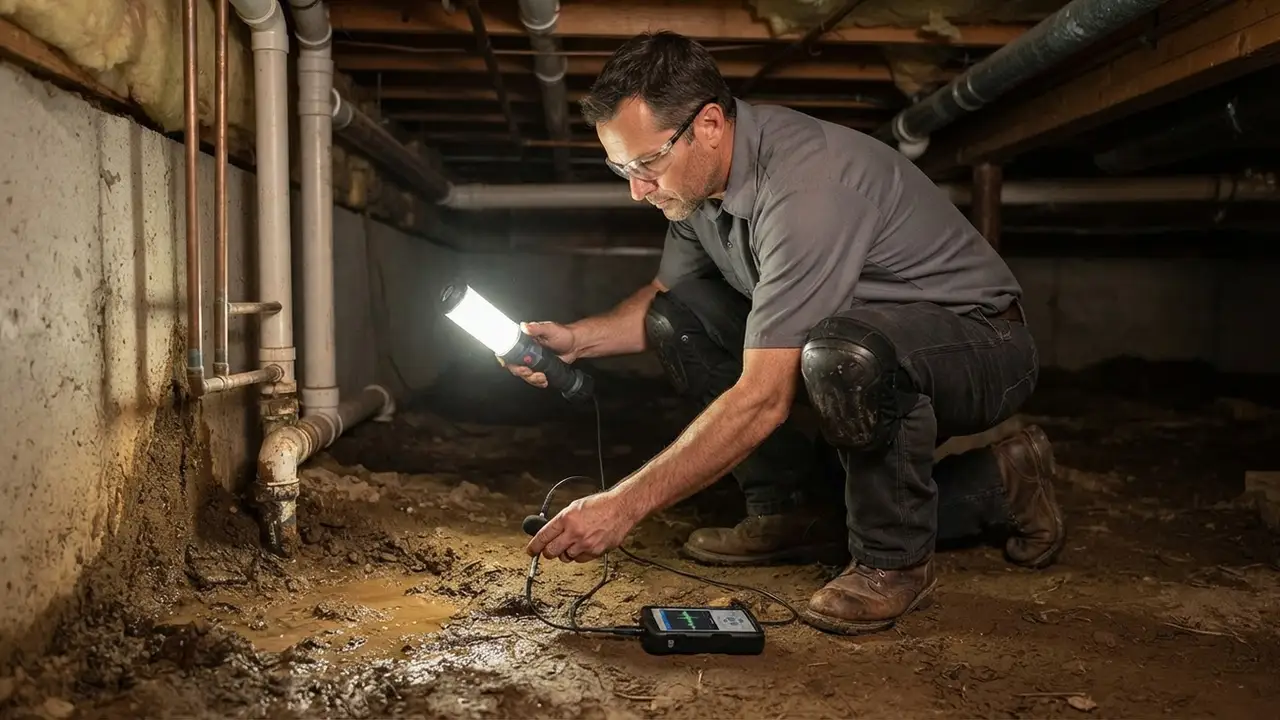
Greenville Leak Detection Pros has been fixing shower and faucet leaks since 2015, and we have worked on everything from 1940s bungalows near downtown to new construction off Fire Tower Road. Our technicians hold a NC plumbing license and carry IAPMO certification, and we train on RIDGID and Fluke detection gear every year. We have traced leaks through slab foundations, crawlspaces, and second-floor bathrooms, and we know how Greenville humidity and freeze-thaw cycles treat plumbing here.
Most shower leak repairs in Greenville run $180 to $450 in 2026, including detection, parts, and the pressure test. A simple cartridge swap sits at the low end; a valve body replacement behind tile pushes toward the top. If the leak has reached the subfloor or a ceiling below, expect additional dry-out and repair costs.
A dripping faucet almost always means a worn cartridge, O-ring, or valve seat, and Greenville's hard water speeds that wear up. Mineral buildup scores the sealing surface until water slips past. We pull the cartridge, inspect the seat, and replace the failed part, usually in under two hours.
Yes, in most cases. We locate the leak with acoustic and thermal tools, then cut a small access panel behind the shower wall or through the opposite side of the wall, leaving the tile untouched. Full tile removal is only needed when the leak has already damaged the substrate or the valve body itself.
Greenville Leak Detection Pros handles leaking faucets and shower valves across Pitt County, including Winterville, Ayden, Farmville, Washington, and Kinston. We are a state-licensed plumbing contractor, we carry common cartridges on the truck, and we pressure-test every repair before we leave.
Not seeing your question? Our local team can help you understand urgency, scheduling and what to expect.
Ask the local team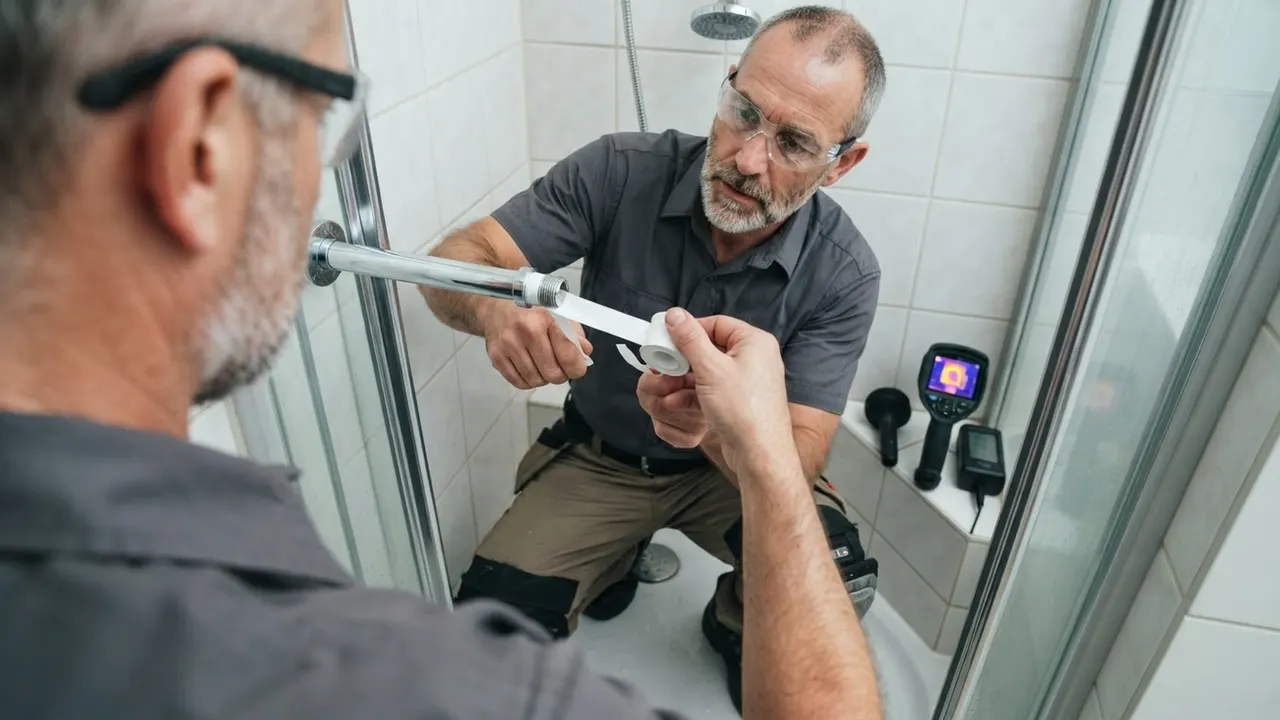
A shower leak and a main water line leak can show the same symptom: a rising water bill. We trace the supply line with a pipe locator and pressure testing gauge so you fix the right problem the first time.
View service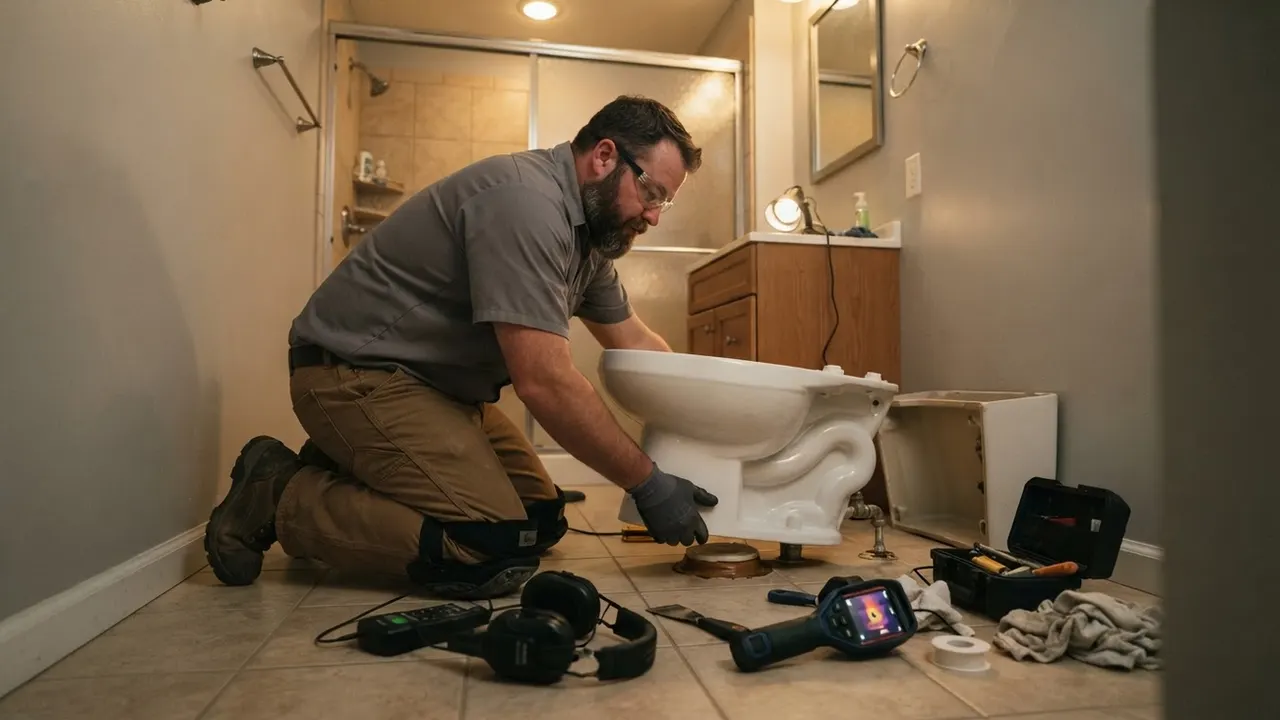
If your bill jumped and the shower is not obviously dripping, the loss may be underground or in a wall. We use acoustic and tracer gas detection to find it before you pay another inflated month.
View service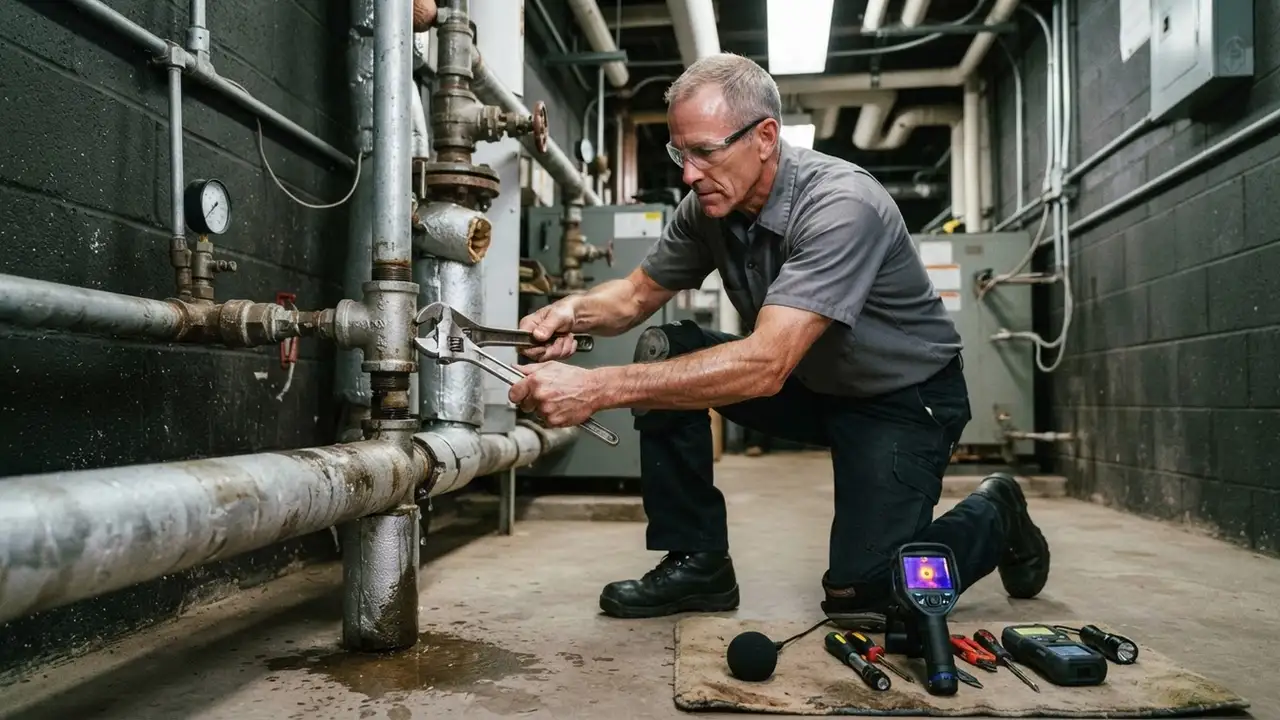
A slab leak under a bathroom floor can mimic a shower leak. Thermal imaging and acoustic gear tell us which side of the slab the water is on, so the repair targets the right spot.
View service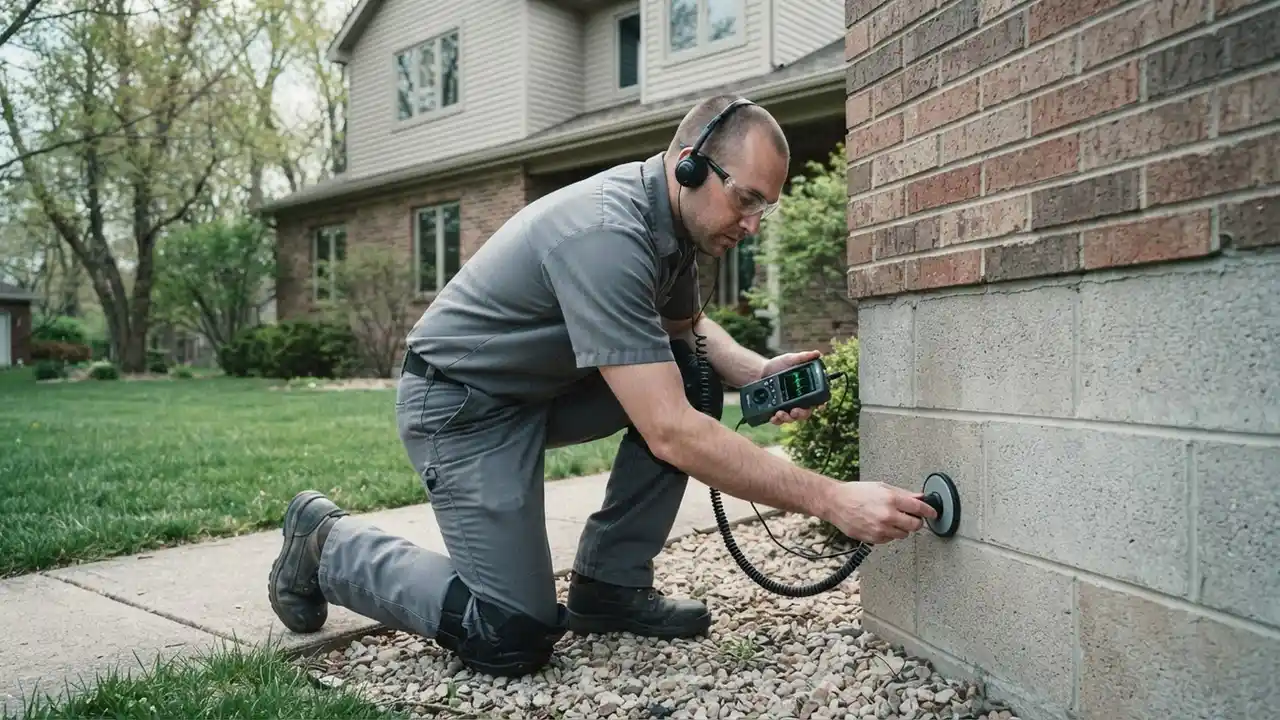
Restaurants, gyms, and offices in Greenville have shower and faucet fixtures too. We handle after-hours commercial leak calls so your business does not lose a day of operation to a dripping valve.
View service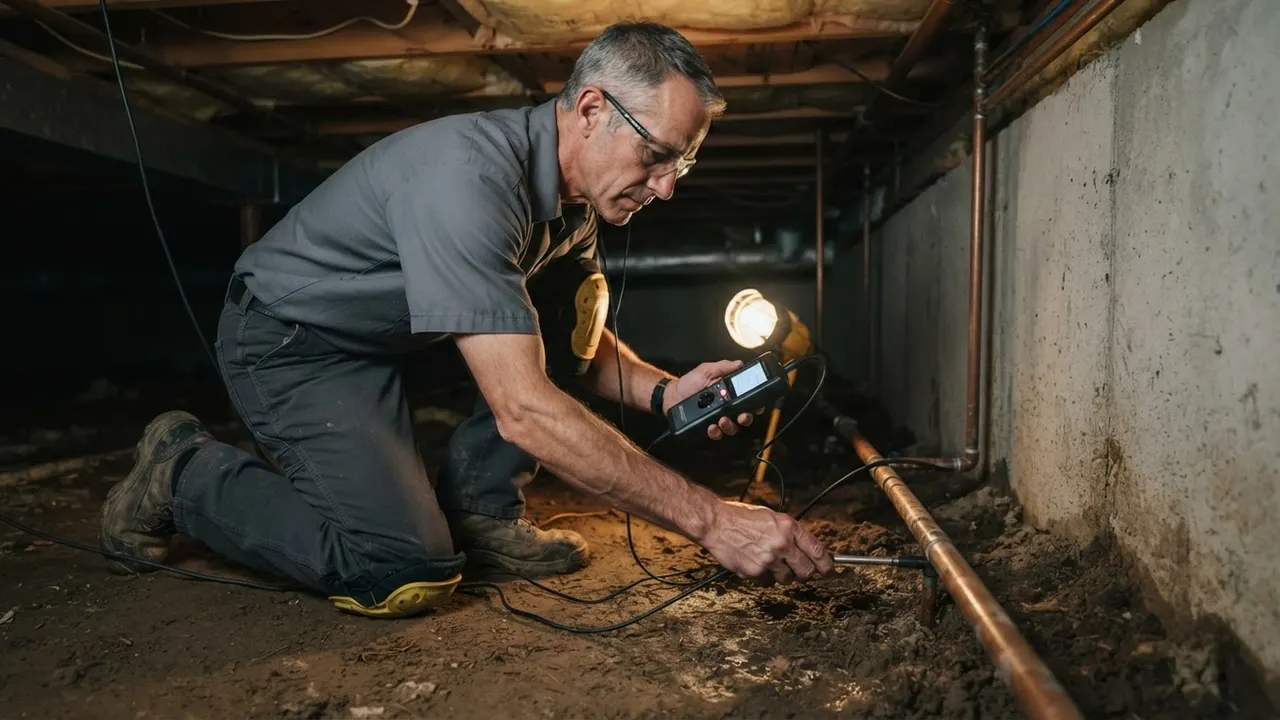
Call +923139383014 and tell us what you are seeing. Our office is open 8 a.m. to 6 p.m. Monday through Friday, and our emergency line runs 24/7 for burst pipes and active flooding. Most Greenville calls get a technician within 60 to 90 minutes. You can also email info@greenvilleleakdetectionpros.com with photos of the leak.