Focused arrival windows
Useful updates and clear arrival timing.
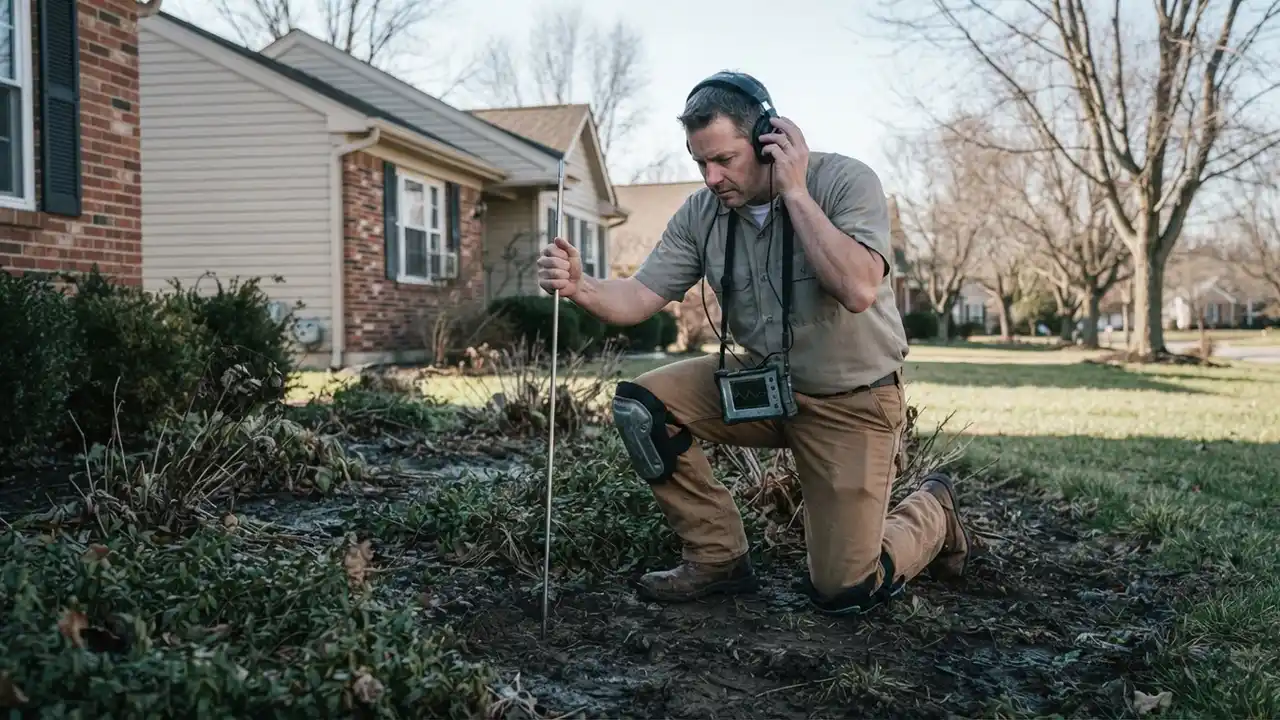
When a pipe bursts, every minute soaks your floors, walls, and foundation. Our team provides burst pipe repair Greenville NC homeowners and businesses trust for fast, code-correct fixes. We handle emergency burst pipe repair Greenville calls 24/7, from frozen lines in January to slab leaks in July. One call, and we're on the way.
Useful updates and clear arrival timing.
Review the approach and price before deciding.
Equipped vehicles and respectful cleanup.
Neighbors serving neighbors with follow-through.
Every burst pipe repair Greenville NC job includes detection, repair, and verification. Here is what is covered in a standard call, plus what we handle as an add-on when the damage is more extensive.
We locate and close the main or isolation valve to stop the flow immediately. If the valve is seized or broken, we replace it on the spot so you are not left without a working shutoff.
Acoustic listening, thermal imaging, and pressure testing pinpoint the exact break. You get a marked location and an explanation of what failed before any cutting begins.
We cut out the failed section and install new copper, PEX, or CPVC pipe with code-compliant fittings. Joints are sealed and torqued to spec, not patched with tape and hope.
After repair, we restore water and pressure-test the line at 80 to 100 PSI for 15 minutes. A moisture meter confirms the surrounding area is dry and stable.
We remove old pipe, wipe down surfaces, and provide photos of the failed section and the completed repair. That documentation helps with insurance claims and future maintenance planning.
Share what is happening and receive a clear next step from the local team.
Burst pipe repair Greenville NC is the emergency plumbing service that locates a failed pipe, stops the water, and restores the line so your home or business is dry and safe again. A burst pipe is not a slow drip you can schedule for next week. It is a pressure failure that can dump hundreds of gallons into a crawlspace, ceiling, or wall cavity in under an hour. We find the break with acoustic and thermal tools, isolate the damaged section, and replace it with PEX, copper, or CPVC that meets current NC plumbing code.
In Greenville, pipes burst for three main reasons: winter freezes, aging galvanized or polybutylene lines, and high water pressure that finally splits a fitting. Homes near East Carolina University and older neighborhoods off Dickinson Avenue often have original pipe that has never been pressure-tested. If you need emergency broken pipe repair near me Greenville, we run 24/7 crews out of Pitt County with fully stocked trucks. We also handle affordable burst pipe repair Greenville North Carolina for landlords and property managers who need the job done without a second mortgage.
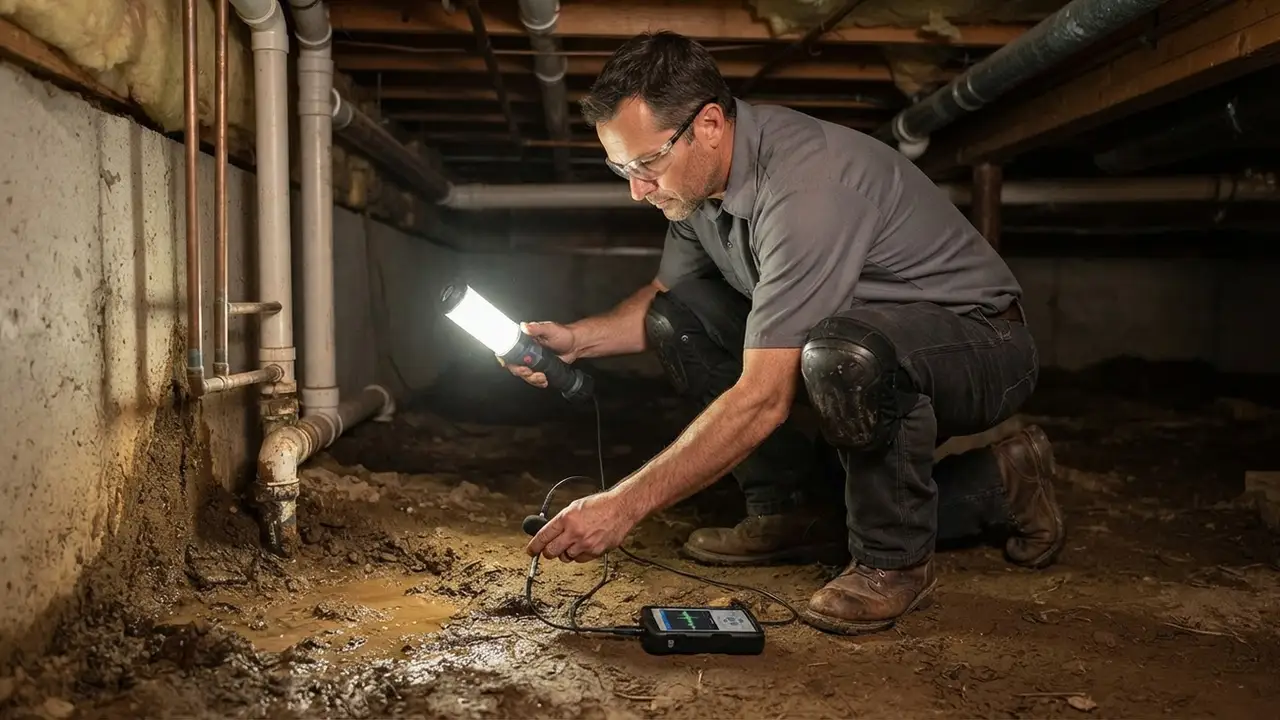
You call our 24/7 line and describe what you see: water spraying, a ceiling stain spreading, or a water bill that jumped $200 in one month. We walk you through shutting off the main valve and give you an arrival window. A licensed tech is dispatched immediately from our Pitt County base.
We use an acoustic leak detection microphone and thermal imaging camera to pinpoint the burst without tearing out half your wall. For underground lines, a pipe locator and tracer gas leak detector narrow the dig zone to within a foot. This step usually takes 20 to 45 minutes.
We close the nearest isolation valve, drain the affected section, and confirm no water is still feeding the break. If the main shutoff is seized, we replace it while we are there. You will see us lay down floor protection before any cutting starts.
Accessible copper or PEX sections are cut out and replaced with new pipe and fittings. For a pinhole in copper, we may use a code-approved epoxy pipe repair as a temporary measure if you need water back tonight, then schedule the permanent fix. Most repairs take two to four hours.
We restore water, bleed the lines, and pressure-test at 80 to 100 PSI for 15 minutes. A moisture meter confirms the surrounding area is drying. We haul away old pipe, wipe down surfaces, and leave you a written summary with photos of the failed section.
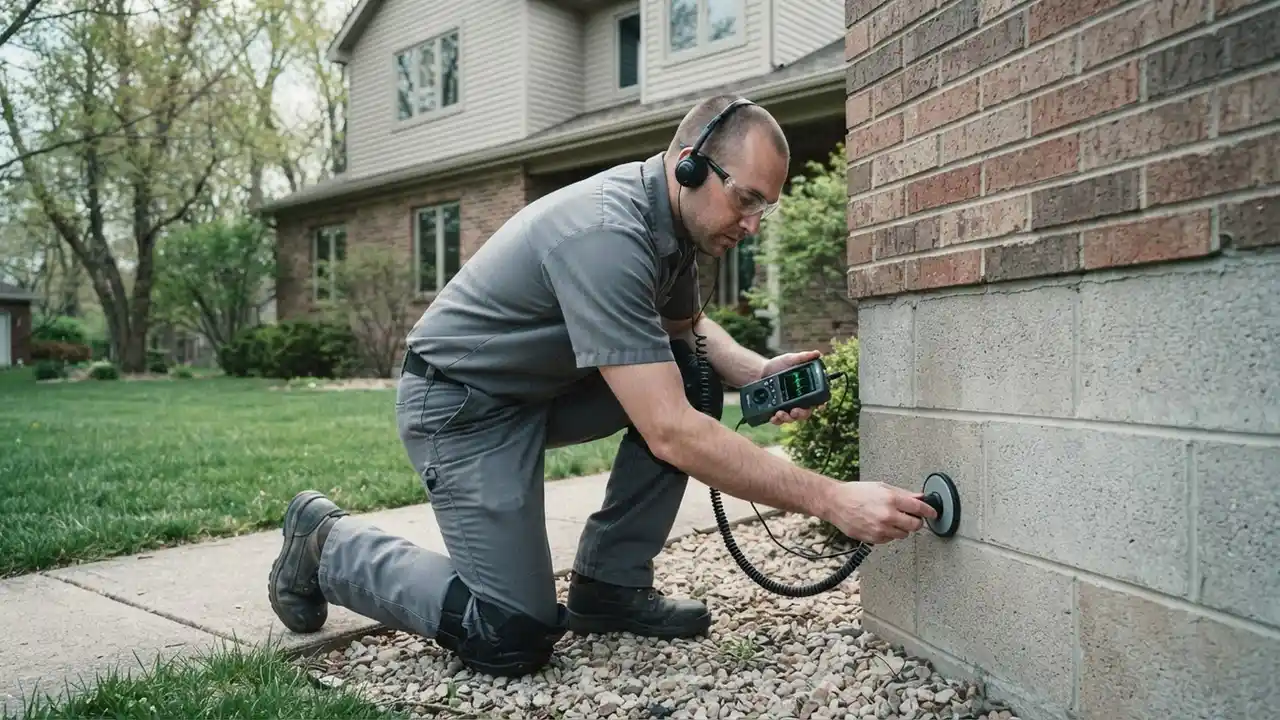
Listens for the hiss or rush of escaping water through concrete, drywall, and soil to pinpoint a burst without demolition.
Reveals temperature differences caused by escaping water, showing the exact path of a hidden burst behind walls or under slabs.
Documents the inside of the failed pipe, confirming cracks, corrosion, or root intrusion before we choose a repair method.
Injects a safe gas mix into the line and tracks where it escapes, ideal for underground or slab-encased bursts.
Confirms the repaired line holds 80 to 100 PSI for 15 minutes, proving the fix before we restore water.
Measures residual dampness in framing and insulation so we know the area will dry without mold growth.
We locate the break with acoustic, thermal, and tracer gas tools before any cutting. This keeps the repair small and your drywall and landscaping intact.
Failed sections are replaced with PEX, copper, or CPVC that meets North Carolina plumbing code. Joints are soldered or crimped to manufacturer spec and sealed with RectorSeal or Teflon tape.
After repair, we pressure-test the line and check surrounding materials with a moisture meter. You get documented proof the fix held before we pack up.
We test static water pressure at an outside bib. If it exceeds 80 PSI, we recommend a pressure-reducing valve to prevent the next burst.
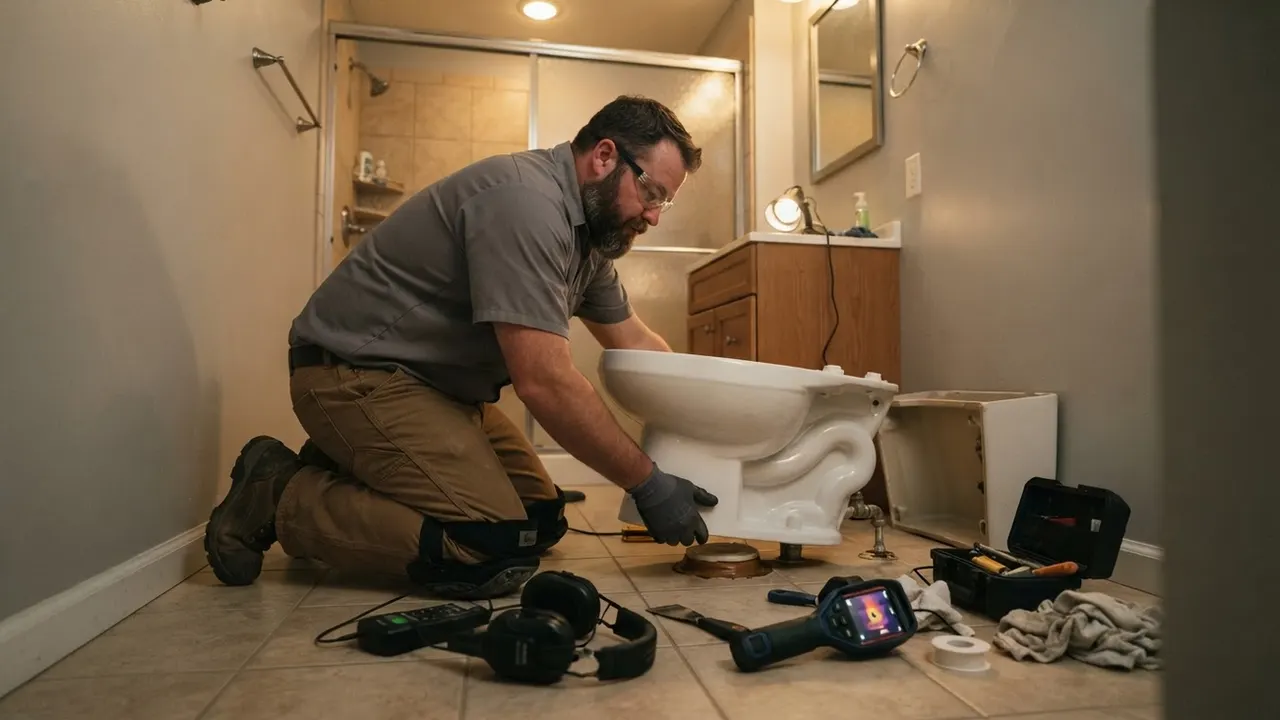
Call our 24/7 line. We dispatch a tech with freeze-repair tools, locate the split, and replace the section. We also check nearby lines for partial freezing before we leave. Water is off within minutes of arrival, the pipe is repaired the same visit, and your crawlspace is drying by afternoon.
We pressure-test the system and use acoustic and tracer gas detection to find the hidden burst. Once located, we isolate and repair the line, then verify the meter stops spinning. The hidden leak is fixed, your next bill returns to normal, and you avoid the structural damage a slow burst would have caused.
We treat it as an emergency, coordinate access with the tenant, and handle the repair. You get photos and a written summary for your records and insurance. The tenant has water back by morning, the unit is dry, and you have documentation without driving across town at 1 a.m.
We prioritize commercial calls and roll a stocked truck immediately. The break is isolated, repaired, and pressure-tested so you can pass your opening inspection. You open on time, avoid a health-code closure, and have a repair record for your landlord or insurer.
Greenville sits in Pitt County, where winter nights regularly drop below 28 degrees and summer humidity keeps crawlspaces damp. Both conditions stress plumbing. Older homes near downtown and around East Carolina University often still have galvanized or polybutylene lines that were never designed for today's water pressure. Newer construction in 27834 and 27858 usually uses PEX, which resists freezing better but can still fail at a bad crimp. We see a spike in frozen burst pipe repair in Greenville from late November through February, then a second wave of slab and underground failures in July and August when dry soil shifts and stresses buried lines. Our trucks carry copper, PEX, CPVC, and the fittings to match whatever is in your walls. If you need 24/7 burst pipe repair Greenville NC, we are based in Pitt County, not dispatched from Raleigh.
Many homes here date to the 1950s and 1960s with original galvanized supply lines. We often find corrosion-related bursts in crawlspaces and under kitchen sinks.
High rental density means burst pipes get reported late. We work with landlords to repair fast and document damage for tenant and insurance records.
Newer subdivisions with PEX lines and irrigation systems. We see freeze splits at hose bibs and irrigation backflow assemblies after hard freezes.
A mix of older homes and small commercial buildings. Well-fed properties sometimes have buried lines that fail and need underground detection.
Exposed pipes in crawlspaces, garages, and unheated additions are most at risk. We insulate and repair, and we advise leaving cabinet doors open on cold nights.
Greenville municipal pressure can exceed 80 PSI in some zones. That stress blows fittings over time, so we test and recommend a pressure-reducing valve.
Summer drought and winter rain shift Pitt County soil, stressing underground lines. We use tracer gas and acoustic detection to find breaks without digging up the yard.
Moisture accelerates corrosion on copper and steel fittings. We check crawlspace lines during every burst repair and flag weak sections before they fail.
A 22-degree night split a half-inch copper line feeding the kitchen. Water sprayed into the crawlspace for nearly three hours before the homeowner noticed a cold spot on the floor. Insulation was soaked and the water bill had already jumped.
We isolated the line, cut out 18 inches of split copper, and replaced it with PEX and new fittings. Pressure held at 90 PSI for 15 minutes. The crawlspace was dried with fans and the homeowner had water back by noon.
Maintenance: We insulated the remaining exposed copper and advised leaving cabinet doors open on nights below 28 degrees. An annual crawlspace inspection catches weak fittings before they split.
The homeowner noticed a warm spot on the hallway floor and a water bill that climbed $180 in one month. A slab leak was feeding water under the foundation. Two other plumbers recommended breaking up the entire hallway.
Thermal imaging and acoustic detection pinpointed the break within 12 inches. We opened a small section, repaired the copper line, and pressure-tested at 85 PSI. The concrete patch was finished the next day.
Maintenance: We tested static pressure and found it at 95 PSI, so we installed a pressure-reducing valve. Keeping pressure under 80 PSI protects the rest of the slab lines.
A supply line burst behind the prep sink at a Greenville restaurant at 6 a.m. on a Saturday. Water was spreading across the kitchen floor and the morning crew had no shutoff they could find.
We located the isolation valve, stopped the flow, and replaced the failed CPVC section in under two hours. The line held 100 PSI, the floor was dried, and the restaurant opened on time at 11 a.m.
Maintenance: We labeled the main shutoff and walked the manager through it. Quarterly pressure checks and a labeled valve map prevent the next emergency from costing a day of business.
A burst pipe is rarely just a wet floor. It cascades into structural damage, mold, and bills that climb fast. Here are the problems we see most in Greenville and how we stop them.
Water sprays inside a wall or crawlspace for hours before you notice, soaking insulation and framing and inviting mold within 48 hours. We thaw, isolate, and replace the split section with freeze-resistant PEX or insulated copper. We also insulate nearby exposed runs so the same line does not fail next winter.
You see a hot spot on the floor, a spike in the water bill, or unexplained dampness. Left alone, it undermines the slab and can cost thousands in structural repair. We use thermal imaging and acoustic detection to pinpoint the break, then repair the line with minimal concrete removal. Most slab repairs are completed in one to two days.
Pressure above 80 PSI stresses every joint in the house. One fitting lets go and you have a burst pipe behind a washing machine or under a sink. We repair the failed fitting, then test static pressure at an outside hose bib. If it exceeds 80 PSI, we install or adjust a pressure-reducing valve to protect the whole system.
Galvanized lines in older Greenville homes narrow with rust, lose pressure, and eventually split. The first sign is often a pinhole spray in a basement or crawlspace. We replace the failed section and assess the rest of the run. If multiple sections are weak, we quote a partial repipe in PEX or copper so you are not calling us back every six months.
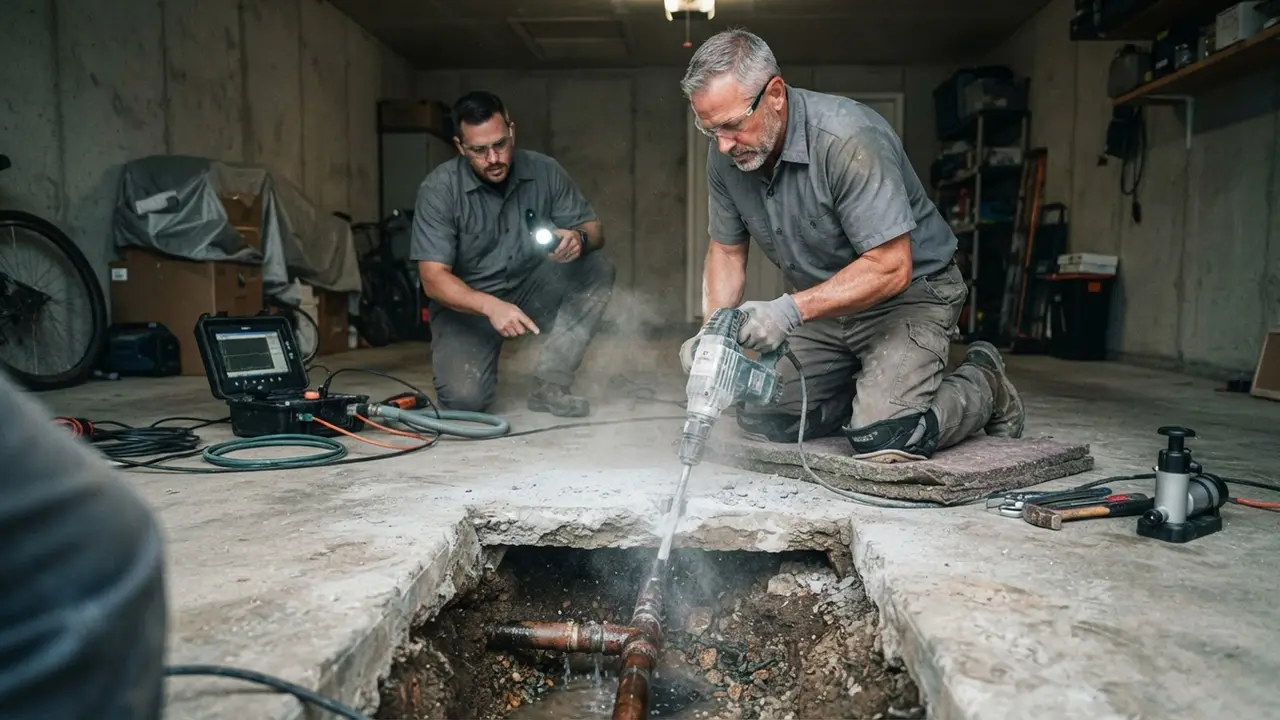
Greenville Leak Detection Pros has been repairing burst pipes in Pitt County since 2015. Our technicians hold NC plumbing licenses and backflow prevention certification, and we train on RIDGID, Fluke, and Sewerin diagnostic equipment. We have completed thousands of leak and burst repairs across Greenville, Winterville, and Ayden. That volume means we have seen every failure mode: freeze splits, slab breaks, crawlspace corrosion, and pressure spikes that blow fittings off copper. We carry the parts to fix them on the first visit.
Most burst pipe repairs in Greenville NC run $250 to $1,200 in 2026. A simple accessible copper or PEX repair in a crawlspace sits at the low end. A slab break or underground water line that requires digging and concrete work pushes toward the top. After-hours emergency calls add a dispatch fee, which we quote before we roll.
Shut off the main water valve immediately, then open the lowest faucet in the house to drain the lines. Kill power to any room with standing water if you can reach the breaker safely. Call us at once. Every minute the water runs, the repair bill and the water damage bill both climb.
Yes. We run 24/7 emergency burst pipe repair Greenville crews, including holidays. A licensed tech is dispatched as soon as you hang up. Most Greenville addresses see us within 60 to 90 minutes. We carry pipe, fittings, and shutoff valves on the truck so the repair starts the same visit.
Insulate exposed pipes in crawlspaces and garages before the first freeze, usually by late November in Pitt County. Keep cabinet doors open under sinks on nights below 28 degrees. Have your water pressure checked if it exceeds 80 PSI, and replace galvanized lines before they fail. An annual inspection catches weak fittings early.
Not seeing your question? Our local team can help you understand urgency, scheduling and what to expect.
Ask the local team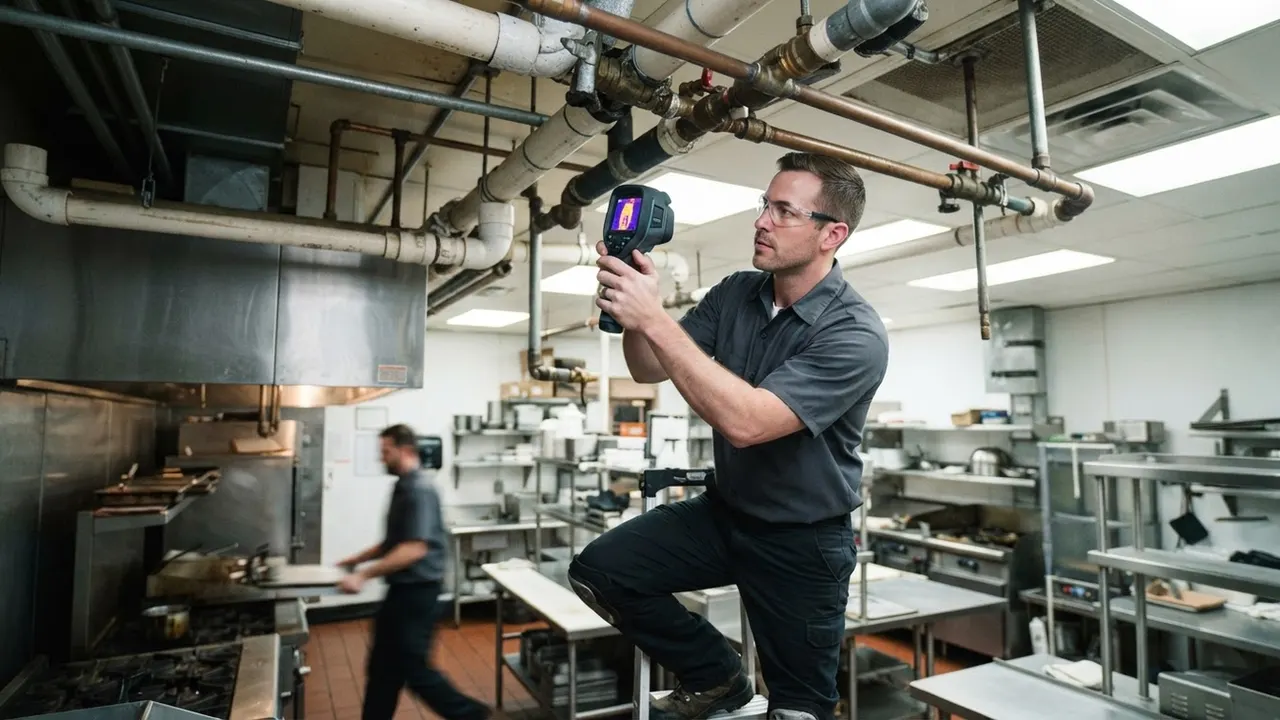
A burst pipe on your main service line can waste thousands of gallons before you notice. We locate the break with acoustic and tracer gas tools, then repair or replace the line from meter to house.
View service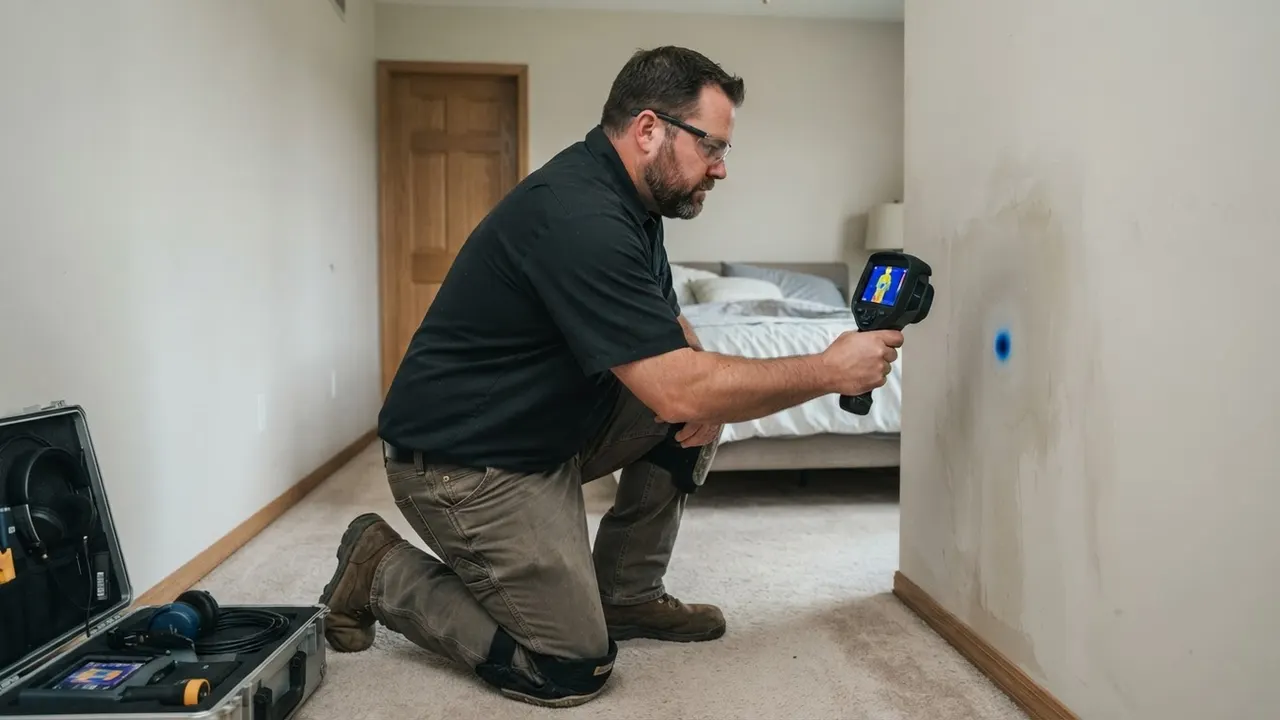
If your bill jumped and you cannot see water, a hidden burst or slab leak is often the cause. We pressure-test the system and isolate the loss so you fix the right pipe the first time.
View service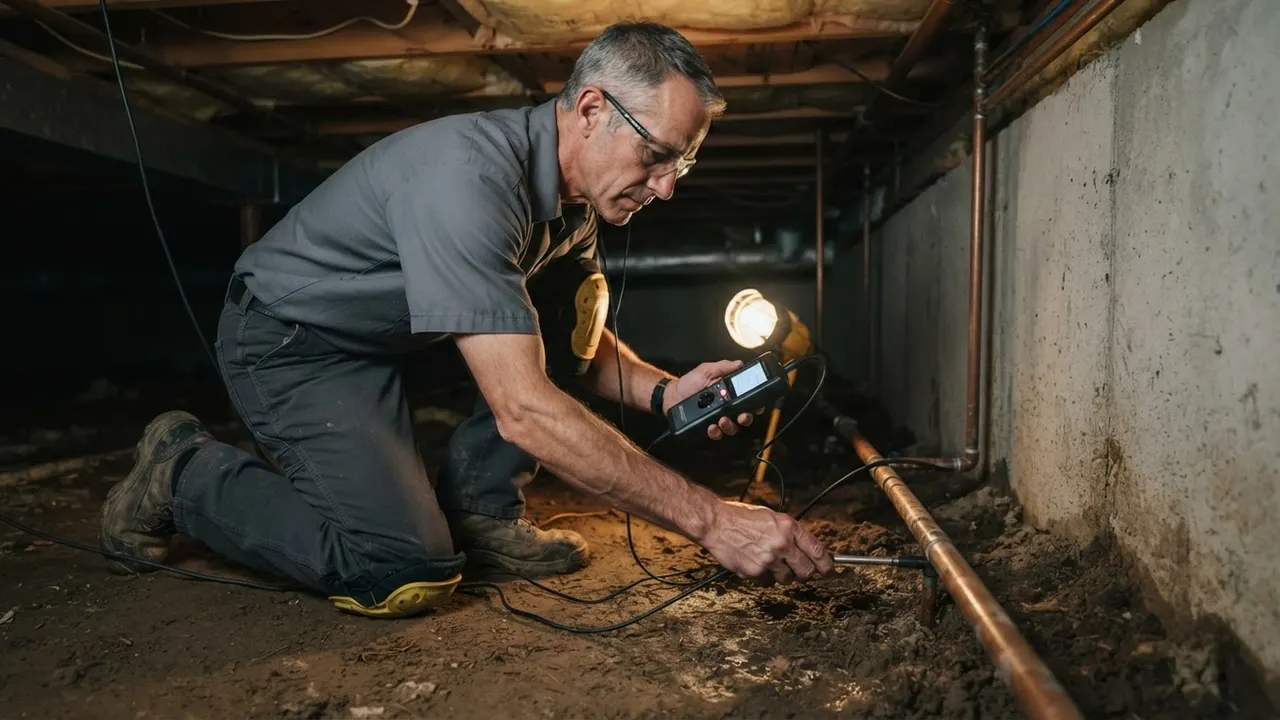
A burst pipe under a concrete slab needs detection before demolition. We use thermal imaging and acoustic listening to pinpoint the break, then repair with minimal concrete removal.
View serviceRestaurants, offices, and retail spaces in Greenville cannot afford a burst pipe at opening time. We offer priority dispatch and after-hours repair so your business stays open.
View serviceCall +923139383014 and tell us what you are seeing. Our office is open 8 a.m. to 6 p.m. Monday through Friday, and our emergency line runs 24/7 for burst pipes and active flooding. Most Greenville calls get a technician within 60 to 90 minutes. You can also email info@greenvilleleakdetectionpros.com with photos of the leak.